Originally posted on Twitter on 16 May 2022.
Jana Želivského was built in 1931.
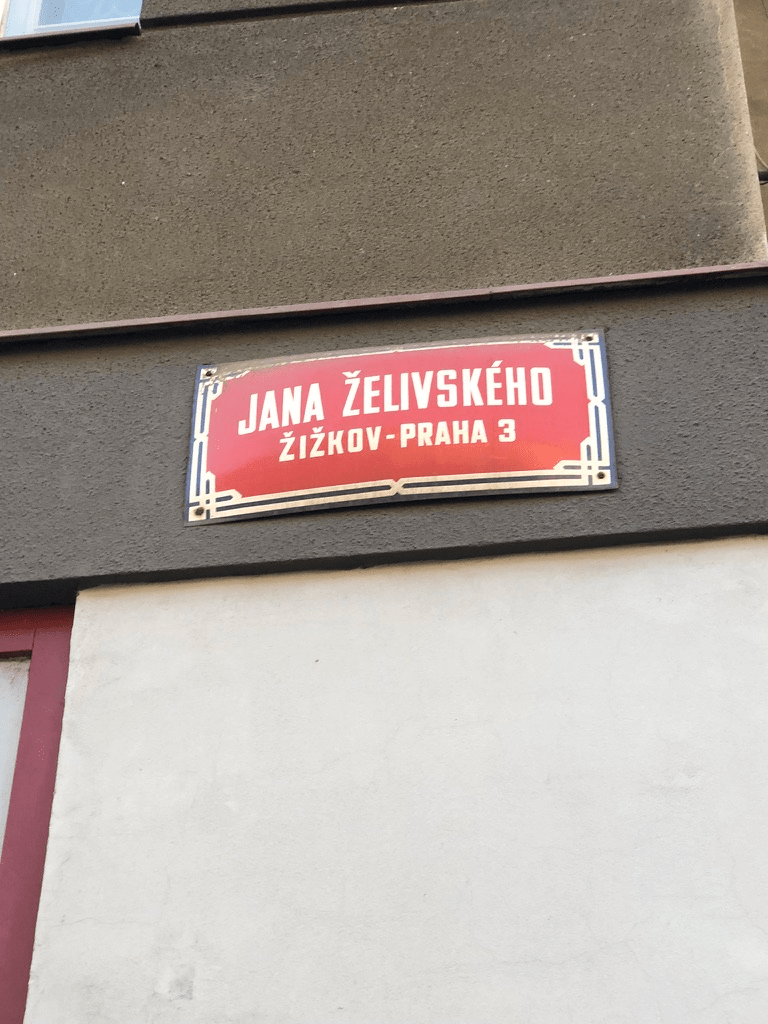
It was originally named Mladoňovicova, after Petr z Mladoňovic (died 1451), a Hussite writer and scribe to Jan z Chlumu (https://whatsinapraguestreetname.com/2022/11/19/prague-3-day-18-chlumova/).
Jan Želivský (1380-1422) was a priest during the Hussite Reformation, with a taste for somewhat apocalyptic sermons.
On 30 July 1419, he led a Hussite procession through Prague. Someone in the New Town Hall on Karlovo náměstí (Charles Square) threw a stone at the procession, possibly hitting Želivský himself.
The Hussites stormed the town hall and defenestrated seven members of the city council, including the judge and the chief magistrate.
Rumour has it that all this then made King Wenceslaus IV die of shock eighteen days later.
What is less debatable is that the defenestration kicked off the Hussite Wars, which lasted until 1436 and in which Želivský fought.
After a defeat at the hands of Frederick I of Saxony at the Battle of Brüx in 1421, Želivský was removed from command.
In 1422, he was arrested by the Prague town council and was beheaded.
The street has been named after him since 1951.

 What's in a Prague street name
Leave a comment