Originally published on Twitter on 7 November 2022.
Italská was created (though not built) in 1926.


Italská was formed by joining parts of two other streets – Žižkova (built in 1889 – see multiple Prague 3 posts if you want to learn about Jan Žižka), and Divišova, built in 1884.
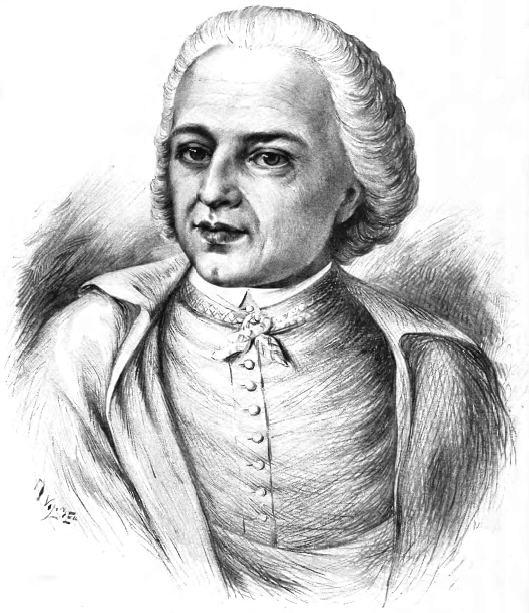
Prokop Diviš (1698-1765) was a canon and scientist who invented one of the first lightning rods.
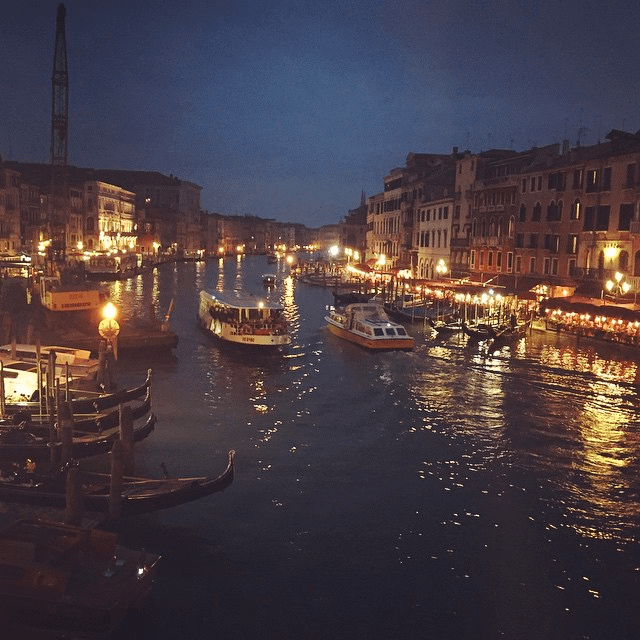
Italy, meanwhile, is a Mediterranean country that dresses better than you and can’t believe you have the nerve to cook pasta like that and then go out into society as if you deserve to be part of it.
(Photo taken by me in Venice in 2015)
You’re probably already familiar with the fact that many streets round here are named after countries and cities.
They obtained their names in 1926, four years after Vinohrady (then Královské Vinohrady) had become part of Prague.
All the countries and cities involved had either fought on the Allied side until the end of WW1, or were / were in places that had come into existence as independent states as a result of said war.
Interestingly, these streets maintained (or reverted to) these names after WW2, even if the countries in question had become part of The Evil West, or if they’d been on the wrong side during WW2 itself.
Italská would have been a candidate for renaming on both counts (albeit with the largest communist party in post-war Western Europe).
The Allied States of WW1 get a much snappier name in Czech – they’re the Státy Dohody (literally ‘states of the Entente’).
Taking this to the modern day, who are the most famous Czech Italians or Italian Czechs?
Well, Wonderbra model and, erm, ‘face’ of one of the most iconic images of the 1990s, Eva Herzigová, was born in Litvínov, but is now an Italian citizen.

Five-time Italian national champion in figure-skating Karel Zelenka was born in Louny, but moved to Italy at the age of six.
And, in football, there’s Patrizio Stronati, Czech but with an Italian father, who currently plays for Puskás Akadémia and was on the bench in CZ’s game against Wales in March 2021.
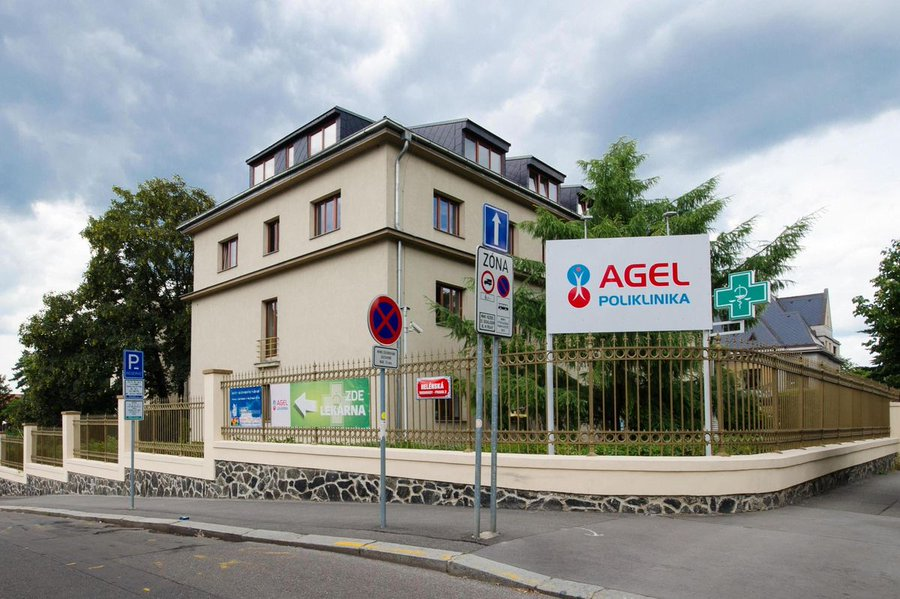
One of the most famous buildings on Italská is the AGEL Polyclinic at number 37, originally called the Železniční nemocnice as it was first established in the 1920s by Czechoslovak State Railways to take care of its employees.
(pic from http://Firmy.cz)
It turns out that part of Italská is in Prague 3 and could therefore have been covered in my previous series. But it’s a better thematic fit for this new one.
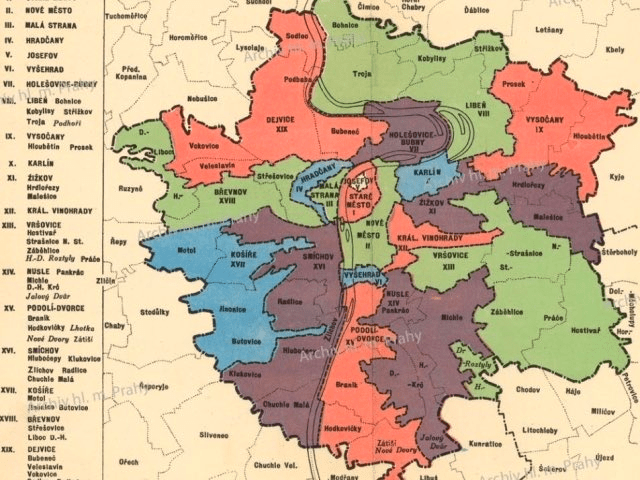
I mentioned earlier that Vinohrady became part of Prague in the 1920s, specifically on 1 January 1922.
As did Břevnov, Dejvice, Karlín, Košíŕe, Liboc, Nusle, Smíchov, Vokovice and Žižkov.
Quite a day.
Pic from https://prahapress.cz/praha/velka-praha-1922-1939.html

 What's in a Prague street name
Leave a comment