Originally published on Twitter on 10 November 2022.
Španělská was built in 1895.
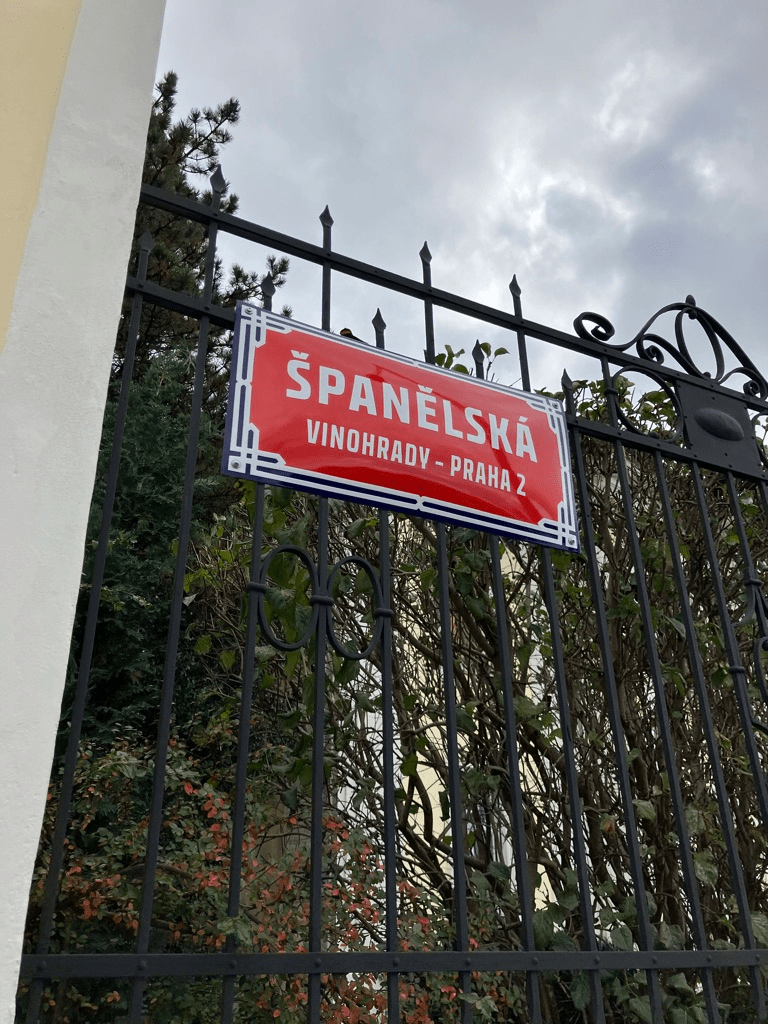
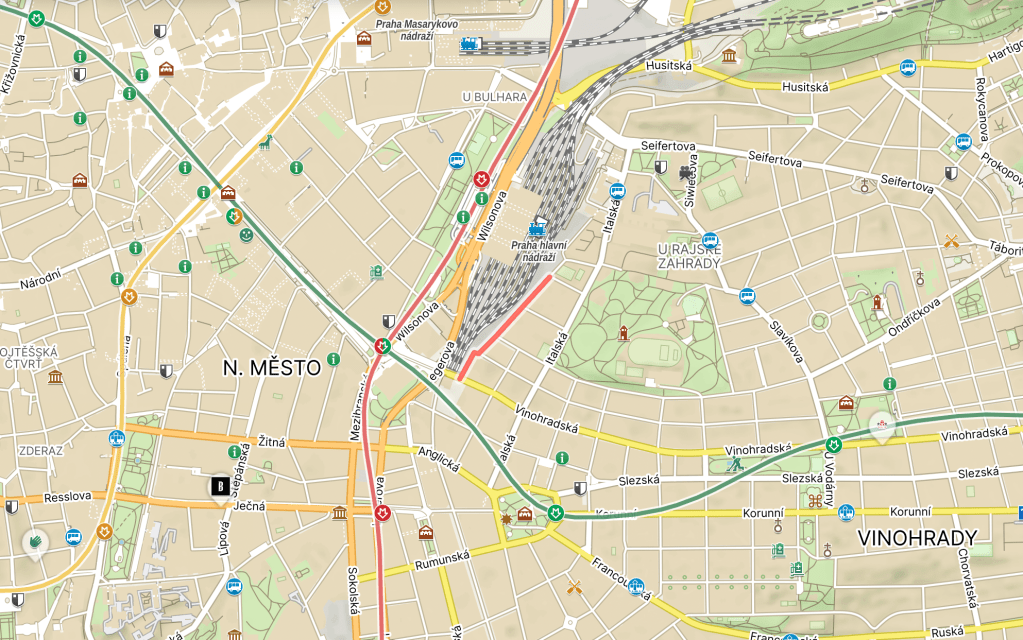
Until 1934, this was Božetěchova, after Božetěch, a Benedictine monk, painter and sculptor who was the last Slavic abbot of the Sázava monastery in the 10th century.
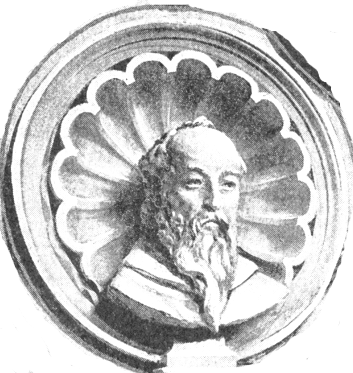
There’s still a street with this name in Nusle, Prague 4.
Meanwhile, you might notice that the street was renamed eight years after the other streets of Vinohrady got their Allied country/city-based names.
Because Spain wasn’t actually an ally – it remained neutral throughout WW1.
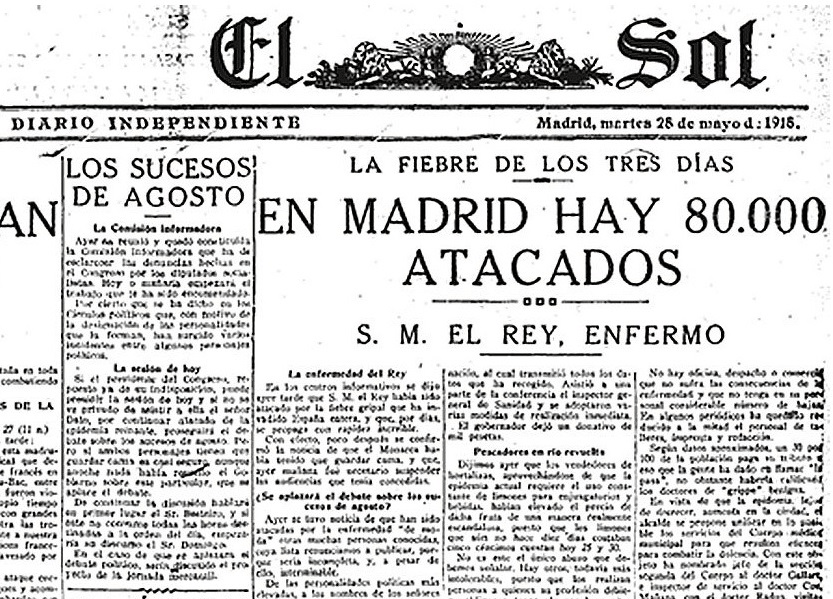
Spain’s neutrality is also why the Spanish flu got its name despite the first case occurring in Kansas.
The censors in the belligerent countries, feeling there was enough bad news already, banned any reporting about the virus; Spain and its journalists, however, had no such qualms. And inadvertently made it sound like the flu was all Spain’s fault.
In Spain itself, 1934 was the year of the October 6 events (Fets del sis d’octubre), when Lluis Companys, President of Catalonia, declared Catalonian independence. Cue a military crackdown, arrests and Catalonia losing its autonomy.
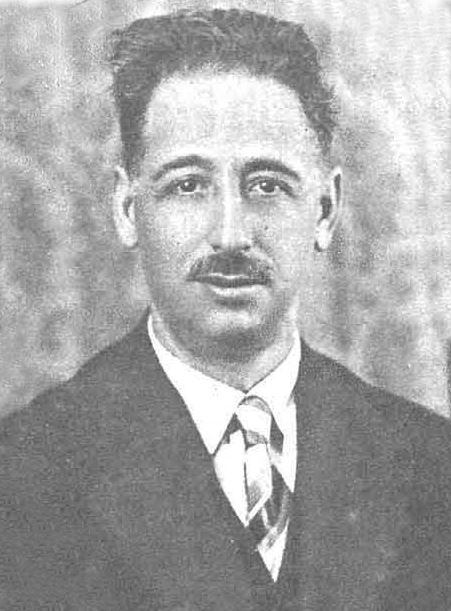
And what of Spaniards of Czech origin?
Manolo Blahnik, founder of the eponymous (and high-end) shoe brand, was born to a Spanish mother and Czech father in the Canary Islands in 1942. https://manoloblahnik.com/int/
And Eduardo Propper de Callejon (1895-1972), a diplomat who helped thousands of Jews escape from France during WW2 (and who was the grandfather of Helena Bonham Carter), was the son of a Bohemian Jewish father: https://www.yadvashem.org/righteous/stories/propper-de-callejon.html
And, other than the inevitable ‘robot’, the Czech language has given Spanish the word ‘obús’, meaning ‘artillery shell’ or ‘howitzer’, but it was quite a process to get there.
The Czech houfnice (catapult) became Haubitze when it it entered German, then underwent serious reduction when it became ‘obus’ in French, and then found its way into Spanish.
Proving that several languages have the exact opposite attitude to consonants that Czech does.
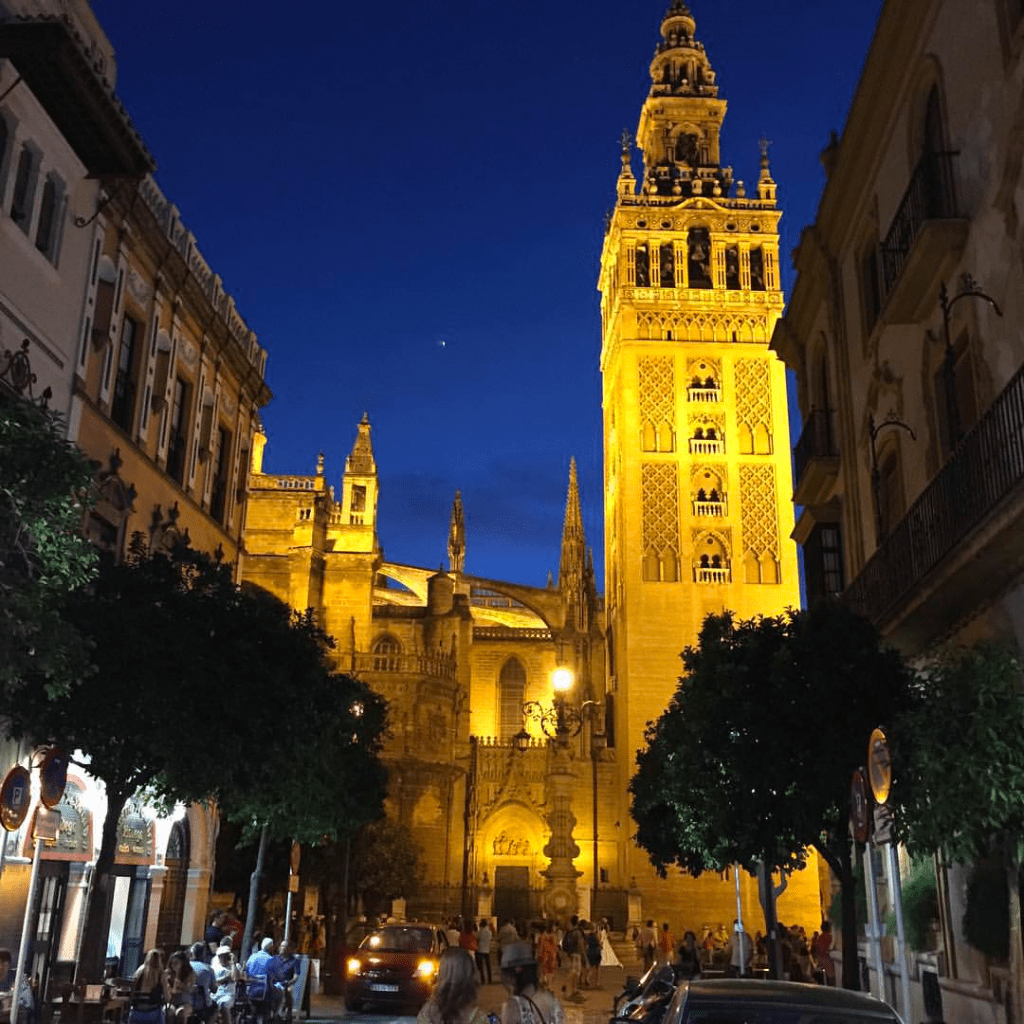
I have about a billion photos that I’ve taken in Spain, and I’m going to go with this one (Seville, August 2015).
Y los hispanohablantes probablemente disfrutarán este artículo de Radio Praga sobre los falsos amigos: https://espanol.radio.cz/las-palabras-traicioneras-del-checo-y-espanol-8156213
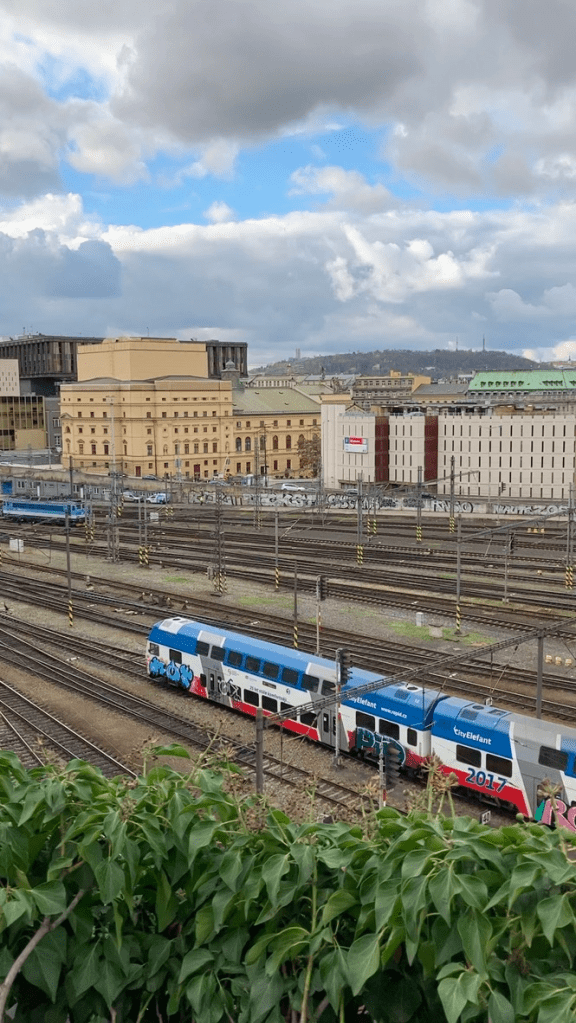
Views from this street are also superb (though you need to stick your phone through the railings).

 What's in a Prague street name
Leave a comment