Originally published on Twitter on 14 November 2022.
Legerova was built in 1885 (the other side of the road is in Prague 1, and the street sign pic is from that side).
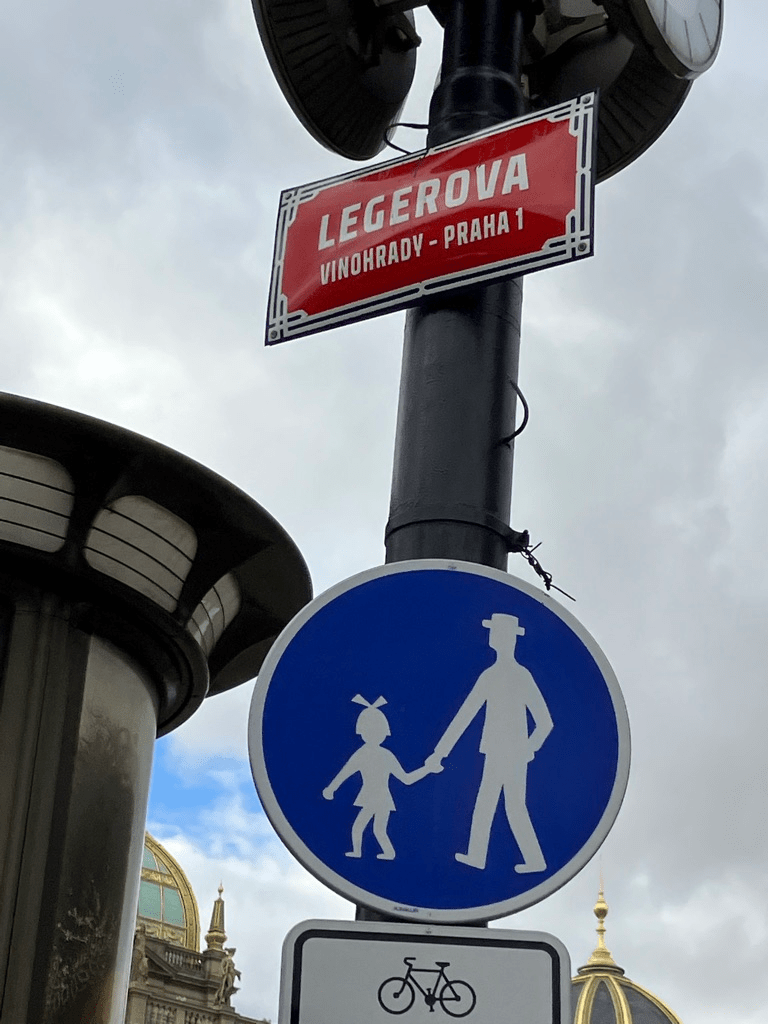
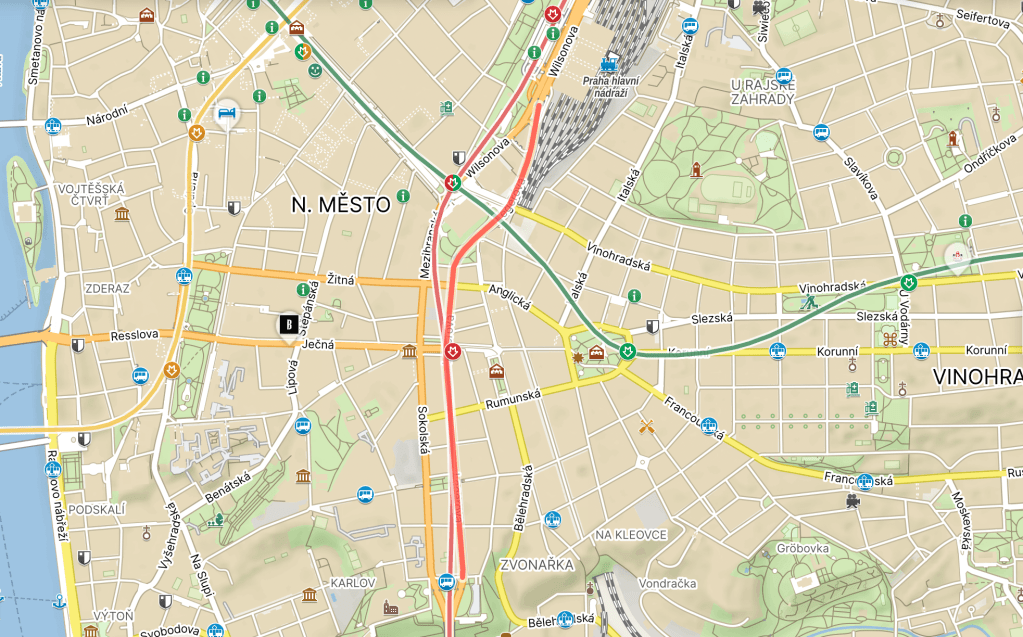
It was called Legerova from 1923 to 1940, from 1945 to 1978, and since 1990.
(also: excellent hat on the other sign)
Until 1923, it was Táborská – here’s a quick guide to how Tábor was founded: https://whatsinapraguestreetname.com/2023/01/13/prague-3-day-124-taboritska/
From 1940 to 1945, it was Havlíčkova. Old Karel still has a square in Prague 3, which I covered here: https://whatsinapraguestreetname.com/2022/12/26/prague-3-day-122-havlickovo-namesti/
And, from 1978 to 1990, it was Třída Lidových milicí – Road of the People’s Militia. They were the militia organisation of the communists from 1948 to and 1949 and, unsurprisingly, do not have a street in Prague these days.
Louis Léger was born in Toulouse in 1843.
He became a Slavophile, initially mostly into Polish (whose literature was reaching new heights at the time), but also visiting Prague in 1864 and becoming fluent in Czech.
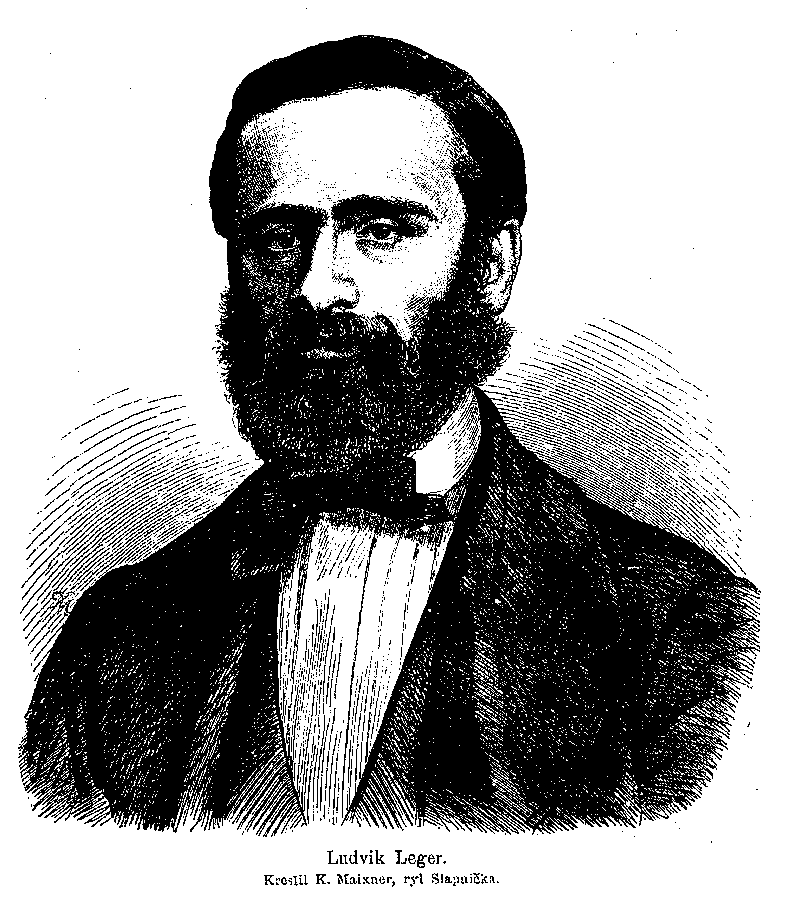
In 1885, he became professor of Slavic languages and literature at the Collège de France in Paris, where he had also studied.
He was made an honorary citizen of Prague in 1913.
In 1923, just before his 80th birthday (and, indeed, his death), the street was named after him in thanks for his support of the Czech national cause.
I’m going to assume that nobody pronounces ‘Legerova’ the French way, and that anybody who does gets a lot of eye-rolls at parties.
Legerova contains several impressive buildings – but the one that always impacts me most is derelict. It’s Borůvkovo Sanatorium, a former medical facility, which, in Communist times, was the Prague State Sanatorium.
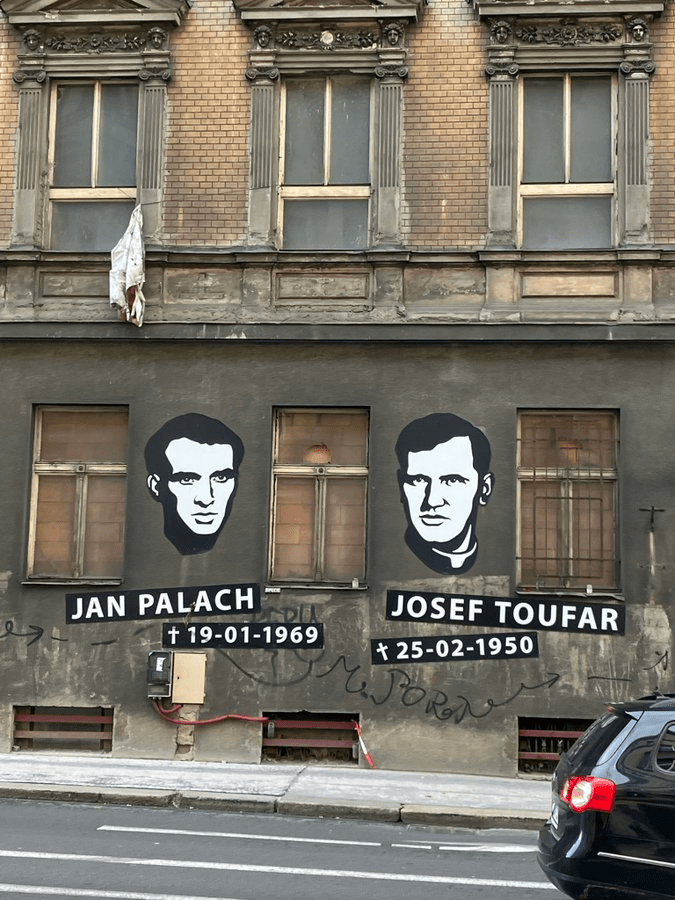
It’s most known for being the location where Jan Palach died of his burns on 19 January 1969, just months after a similar act by the Pole Ryszard Siwiec (https://whatsinapraguestreetname.com/2023/01/13/prague-3-day-127-siwiecova/).
Also commemorated on the building’s façade is Josef Toufar, a parish priest in the village of Číhošť who was tortured so badly by the secret police that he also died here on 25 February 1950, at the age of 47.
The reason he was interrogated at all? A cross on the altar moved in an unexplained way during a sermon he gave in 1949, and the Communists wanted to use this apparent miracle to discredit the Church.
The StB tried to get Toufar to admit that he had orchestrated the incident, which he hadn’t even been told about until a few days after it happened.
Horrifically, the authorities created a 13-minute film, Běda tomu, skrze něhož přichází pohoršení (‘Woe on he who causes outrage’), to discredit both Toufar and the Church:
Toufar was meant to appear in the film in a reconstruction, but, already near death, collapsed after one scene was filmed.
The film was released anyway.
Toufar was rehabilitated by the Regional Court in Hradec Králové in October 2024: https://english.radio.cz/czech-court-rehabilitates-parish-priest-toufar-tortured-death-stb-8831298.

 What's in a Prague street name
Leave a comment