Originally posted on Twitter on 15 November 2022.
Wilsonova was built in stages from about 1870 onwards.
I couldn’t find a street sign to confirm that part of Wilsonova is in Prague 2, and would’ve caused a traffic accident if I’d kept trying. So here’s a sign from a car park instead.

And on top of that: crikey, there can’t be many streets in the *world* that have undergone more name changes than this one. Zhluboka se nadechněme.
Around 1875, there was a thoroughfare here called Sadová silnice (‘Orchard road’), named after the nearby orchards (the main remnant of which is everyone’s favourite nighttime hangout, Sherwood).
It was given a very low-key renaming in 1911, becoming Sadová třída, before a slightly less low-key renaming in 1916, namely to Arcivédovy Karla Františka Josefa, after Charles I of Austria, the last ruler of the Austro-Hungarian Empire, who came to power in the same year.

The name changed to Císaře a krále Karla (Emperor and King Charles) in 1917, before reverting to Sadová in 1919.
Charles himself would die of respiratory failure on Madeira in 1922, aged just 34.
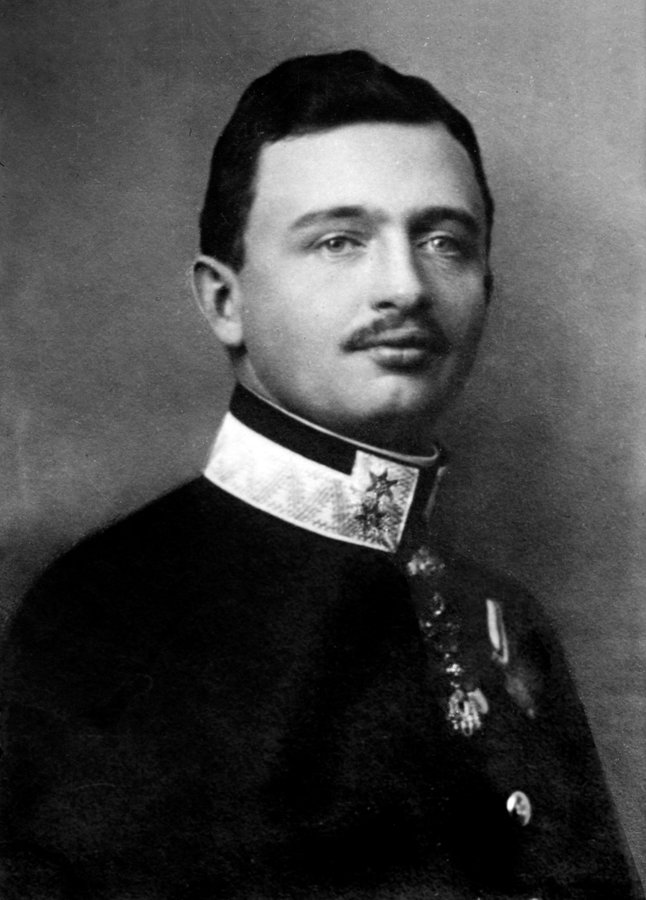
The Sadová name only stuck until 1923, when the street became Hooverova.
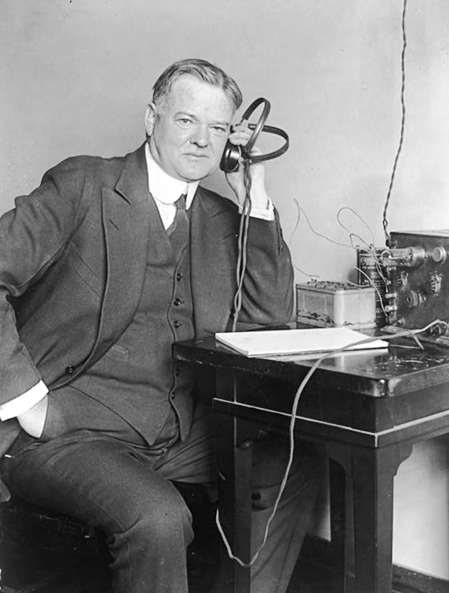
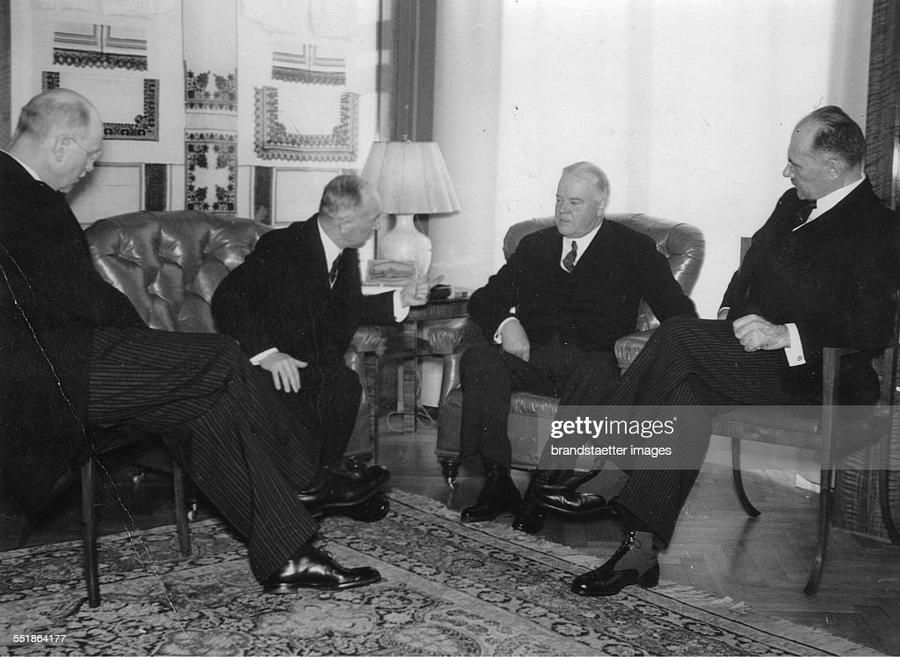
Herbert Hoover, while not yet US President at that point, had helped Czechoslovakia get food supplies after WW2.
Here he is in Prague with Edvard Beneš in early 1938 (image from https://www.gettyimages.ca/detail/news-photo/the-former-u-s-president-herbert-hoover-hosted-in-prague-in-news-photo/551864177).
From 1940 to 1945, the Nazi occupiers named the street Richarda Wagnera, after the notoriously anti-Semitic composer (1813-1883) whose music had been gladly appropriated by Adolf Hitler.
Then things went back to Hoovera until 1947, when the name was changed to Wilsonovo.
This lasted until 1952, when the street became Vítězného února (‘Victorious February’), after the Communist coup d’état in February 1948.
Seriously, I’m going to be late for work if this goes on much further.
Anyway, it became Wilsonova again in 1990.
Woodrow Wilson (1856-1924) was the US President from 1913 to 1921, and a strong proponent of self-determination as the basis for drawing new borders in Europe – a belief that was obviously advantageous to the Czechoslovak cause.
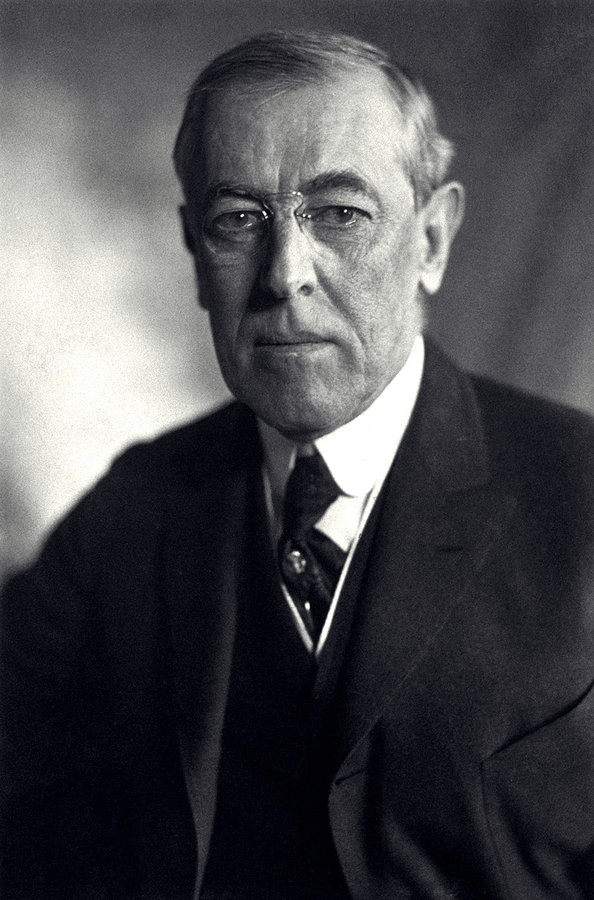
He’s commemorated by a plaque within Hlavák.

And is also commemorated by a statue outside the station, erected in 1928 (and created by Czech-American sculptor Albín Polášek), torn down by the Nazis in 1941, and reinstated (as a replica) in 2011: https://english.radio.cz/woodrow-wilson-statue-returns-prague-after-70-years-8559968
Confession: I first became aware of Woodrow Wilson in the early 1990s, when Bart Simpson spited his teacher, Edna Krabappel, by responding to her personal ad using Woodrow as an alias, after seeing a portrait of Wilson on the wall at school.


 What's in a Prague street name
Leave a comment