Originally published on Twitter on 18 November 2022.
Balbínova was built in 1880. It was formerly two streets; they were united in 1947. The southern half has been called Balbínova since its inception.
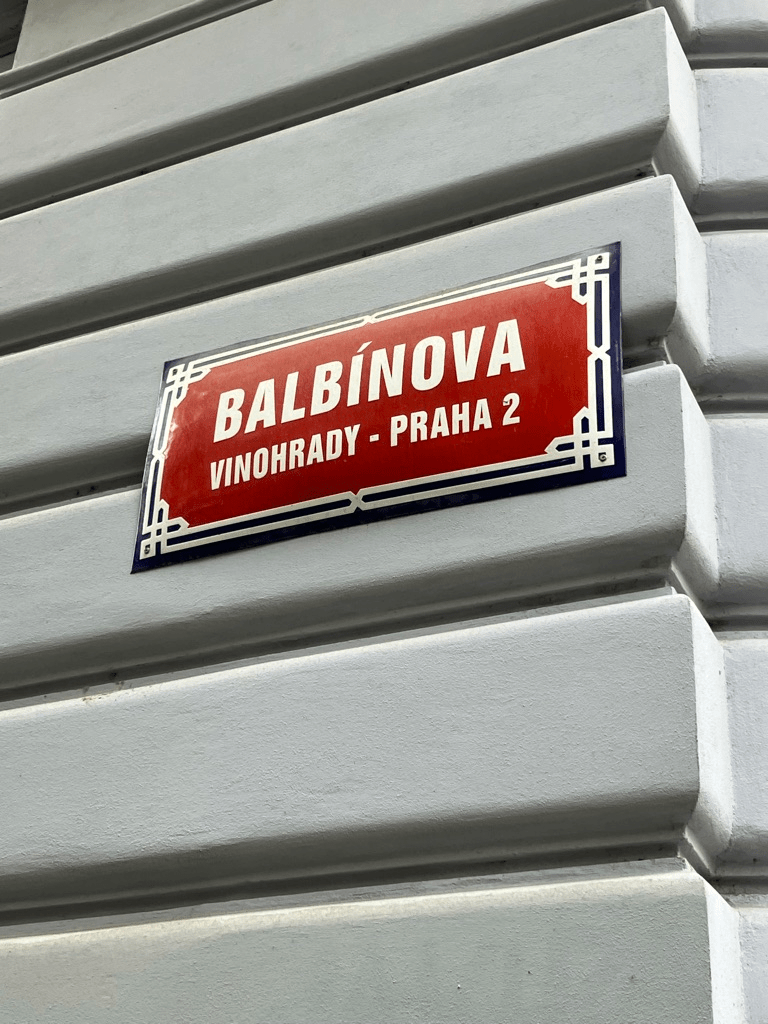
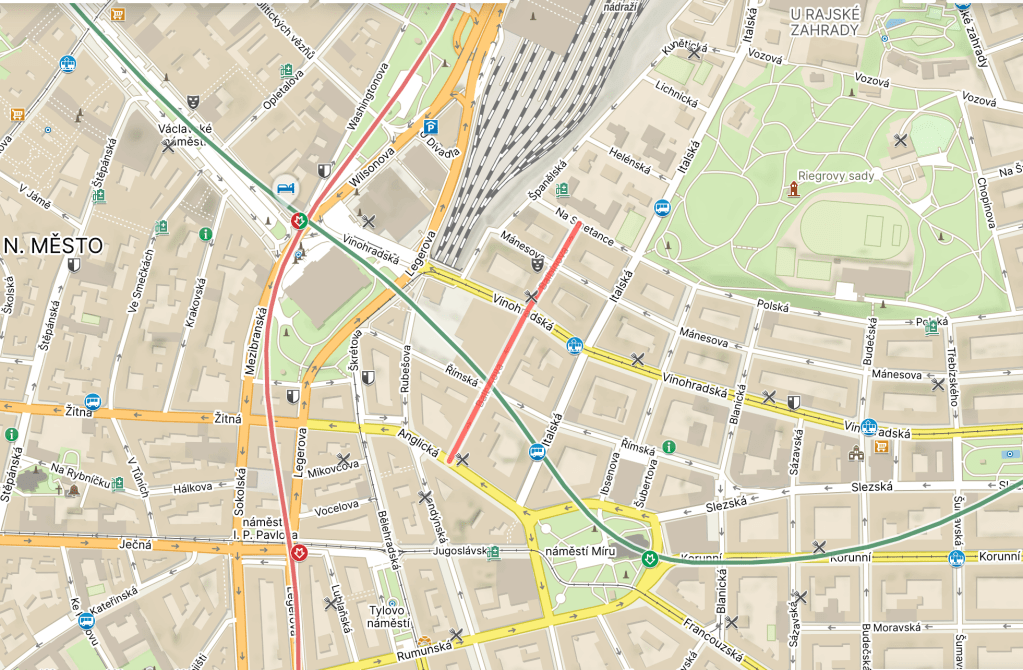
Until 1940, and again from 1945 to 1947, the northern part was called Sladkovského. Old Karel still has a square not so far away, and you can read about that here: https://whatsinapraguestreetname.com/2023/01/13/prague-3-day-132-sladkovskeho-namesti/
From 1940 to 1945, the northern part was Seumeho, after Johann Gottfried Seume (1763-1810), a patriotic German author who served in the Prussian army.
Bohuslav Balbín was born into a Catholic family in Hradec Králové in 1621. He entered the Jesuit college in Jičín at the age of 11, later studying classics, literature and philosophy in Prague, Olomouc, Brno and Kłodzko.
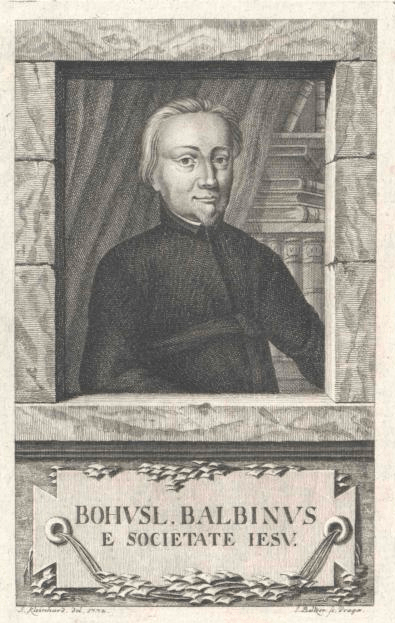
His studies in Prague, starting in 1639, coincided with the plundering of the city by the Swedish armed forces. The Swedes invaded again in 1642, during his doctorate, and, clearly thinking third time lucky, tried yet again in 1648.
On that occasion, Balbín joined the academic battalion and defended Charles Bridge. In 1650, he was ordained as a priest and went off to do missionary work, then becoming a teacher, teaching in Prague, Jindřichův Hradec, Brno, Český Krumlov and Jičín.
In 1661, he was banned from teaching, from Prague, and almost from the Jesuits full stop, for reasons which are not clear (the most likely explanation is that his pro-Czech sentiments unsettled his pro-Germanisation superiors).
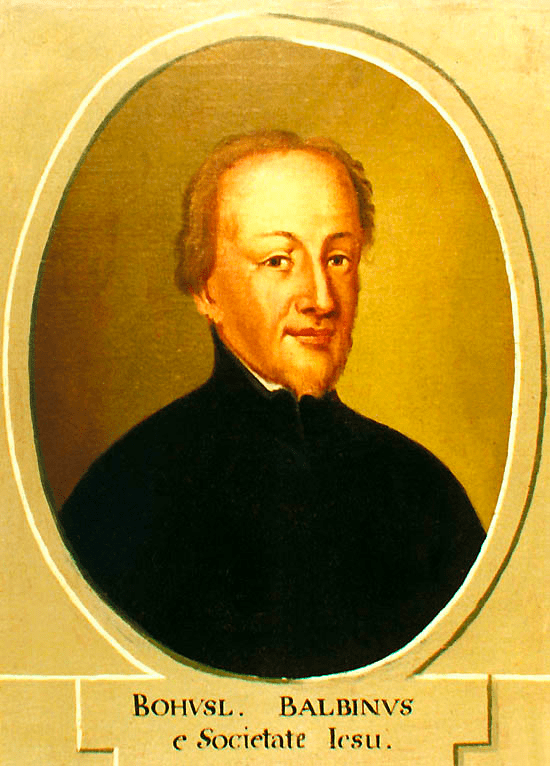
Unable to teach, he turned to writing. In 1672 and 1673, he wrote Dissertatio apologetica pro lingua Slavonica, praecipue Bohemica, which condemned the removal of the Czech language from offices, churches and schools.
Not surprisingly, it would remain unpublished for a century, and is also his most famous work.
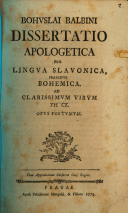
Balbín was allowed to return to Prague in 1677. In 1680, he published his first volume of Miscellanea historica regni Bohemiae – a history of Bohemia. He intended to write thirty volumes, but ‘only’ completed ten before his death in 1688.
The most interesting building in the street is probably the Balbín poetic pub (Balbínova Poetická Hospůdka) at number 6.
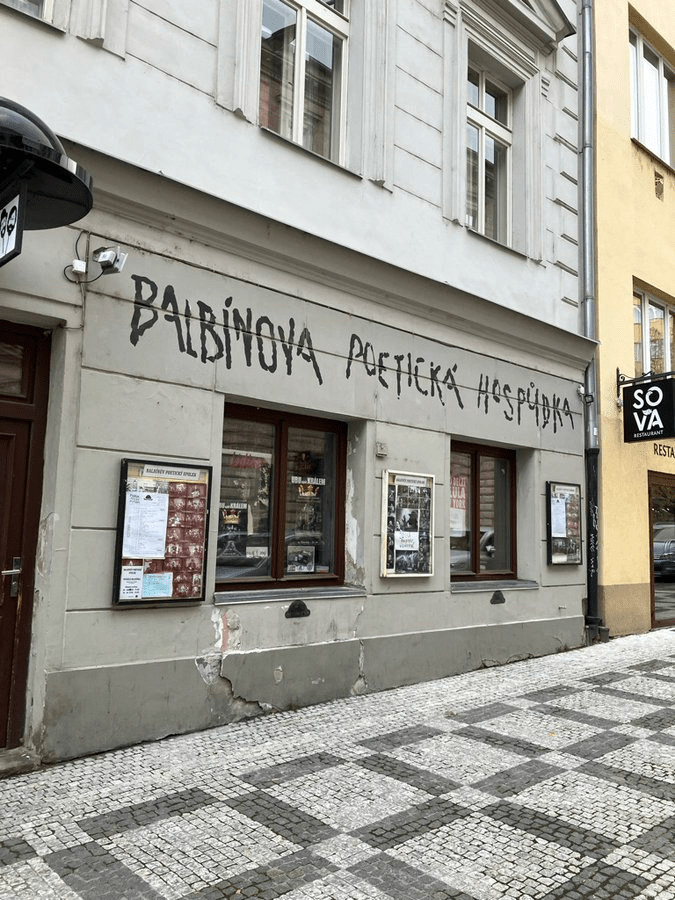
The pub hosts concerts and theatre productions pretty much every evening – see http://balbinka.cz/category/utils/program/… – as well as being the HQ for Balbín’s Poetic Party, a self-declared radical political party which got 0.12% of the votes in the 2006 election.
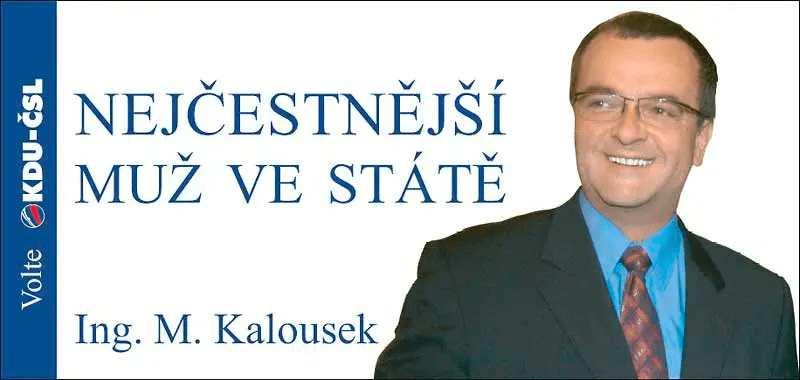
The party gained attention in that election for its billboards mocking then-leader of the KDU-ČSL, Miroslav Kalousek (here’s one from their website declaring him ‘the most virtuous man in the state’).
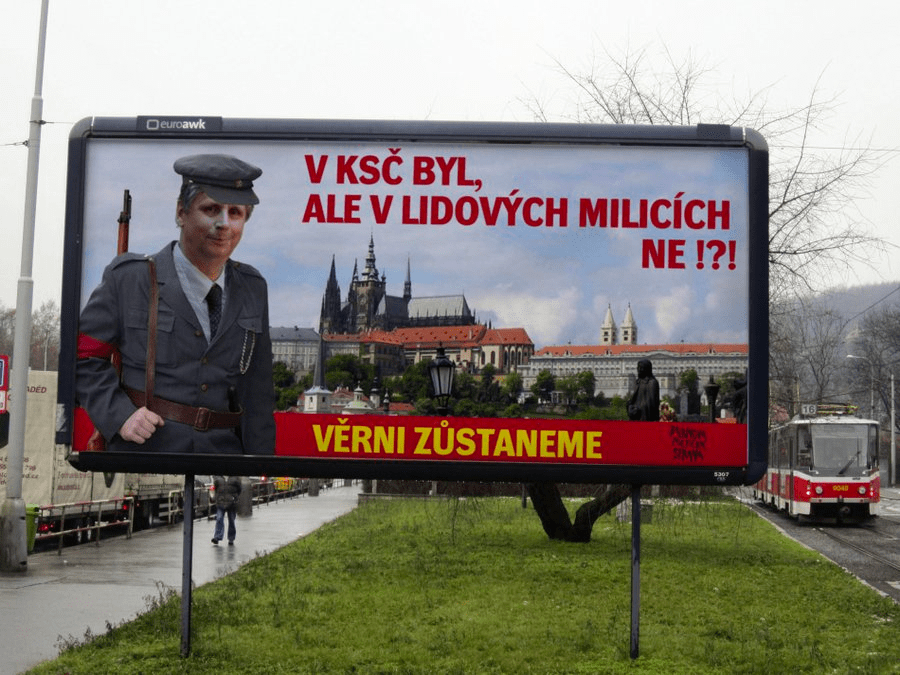
And got more attention for their billboards in 2012, which mocked former PM and then-presidential candidate Jan Fischer’s pre-1989 membership of the Communist Party. He wasn’t too pleased. (Photo from Hospodářské noviny)

 What's in a Prague street name
Leave a comment