Originally published on Twitter on 22 November 2022.
Budečská was built in 1889.
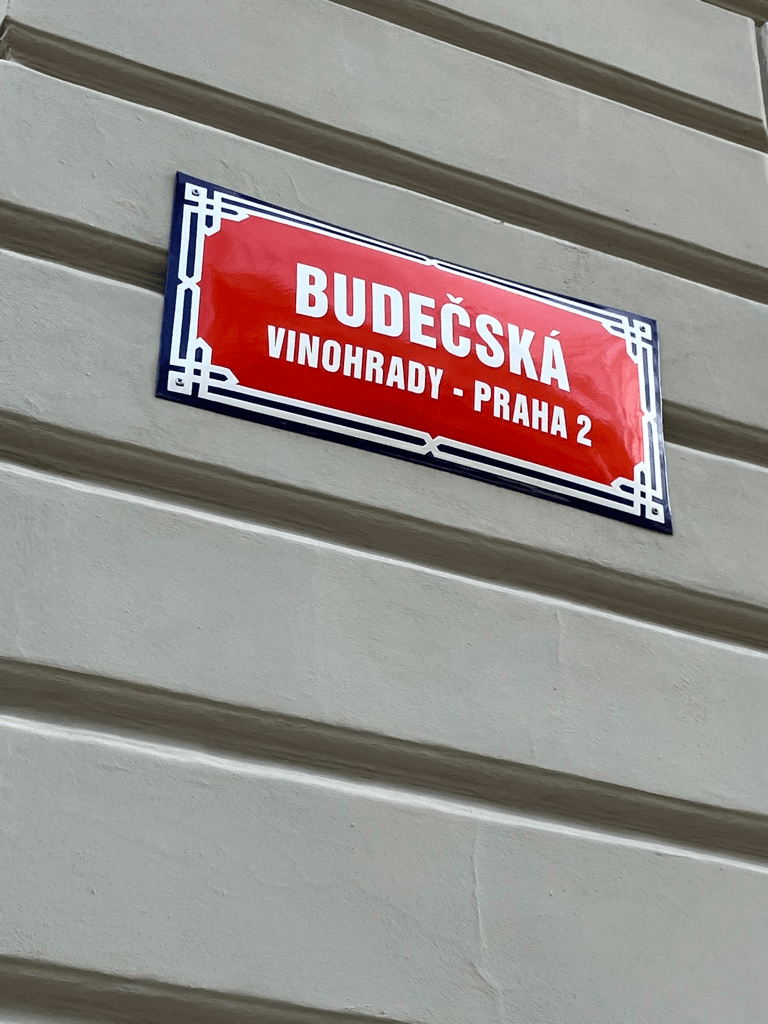
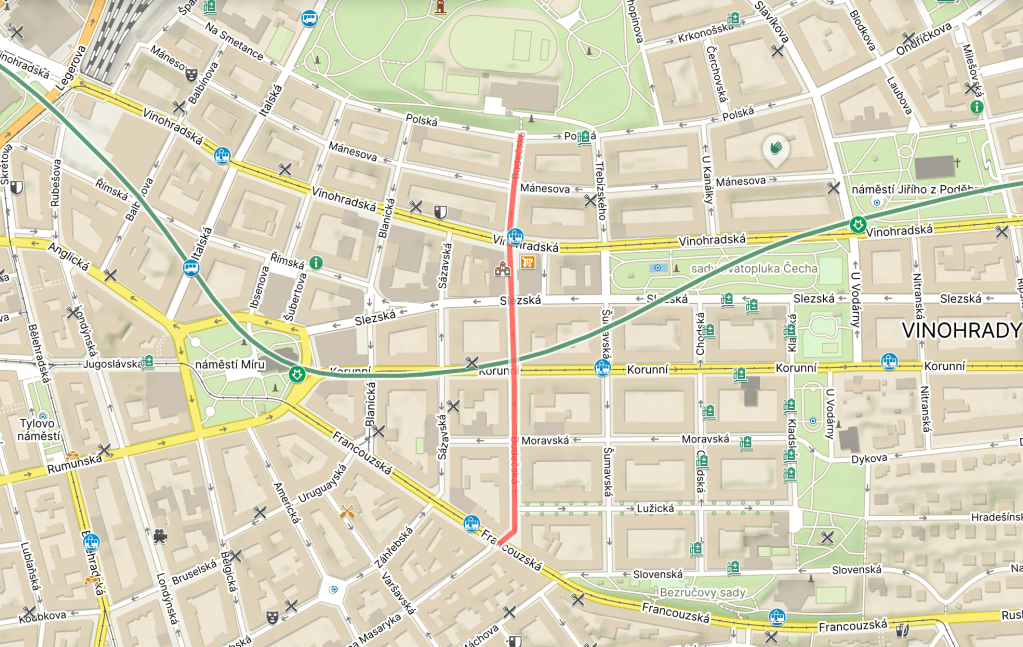
From 1940 to 1945, this was Humboldtova, after Wilhelm von Humboldt (1767-1835), Prussian philosopher, linguist, diplomat and founder of the Humboldt University of Berlin.
Budeč, the remains of a castle, is a national cultural monument located 17 km north-west of Prague in Kladno district.
It was owned by the Přemyslids from the 10th century on – Spytihněv I (https://whatsinapraguestreetname.com/2023/02/26/prague-3-day-152-premyslovska/) founded the Rotunda of St. Peter here, and Václav I stayed here as a child.
The castle was written about – and its significance exaggerated, for example as a centre of learning – by Václav Hájek in his Czech Chronicle (https://whatsinapraguestreetname.com/2022/11/19/prague-3-day-15-hajkova/).
Budeč gained fame as a former centre of educational excellence in the 18th century (whether this was true or not) – so much so that, in 1840, famous teacher Karel Slavoj Amerling founded the Budeč Institute in Prague’s New Town.
It closed in 1848 for financial and (obviously, given the year) political reasons, but influenced many future educational institutions in Bohemia and Moravia.
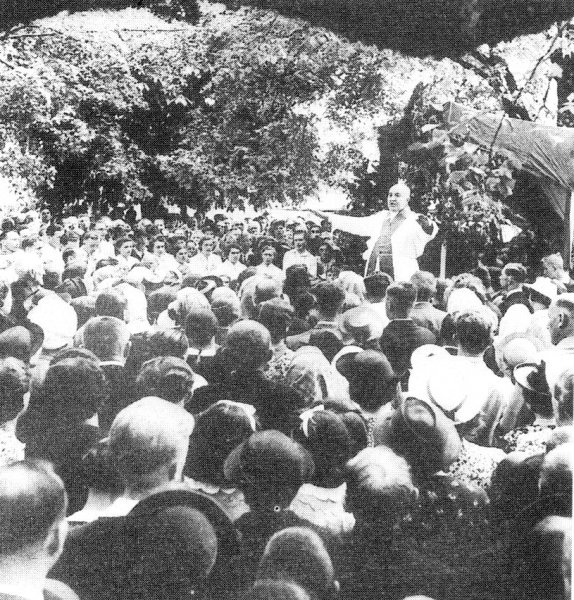
In the 20th century, Budeč became a popular pilgrimage site. One such pilgrimage in the summer of 1939 turned into a major demonstration against the Nazi occupation.
(Photo from the 1996 book Dramatické i všední dny protektorátu by Jan Gebhart and Jan Kuklík).
The Budeč rotunda, considered to be the oldest surviving stone structure in Bohemia, remains open to visitors: http://www.omk.cz/index.html?url=http://www.omk.cz/dyn/doc/budec

 What's in a Prague street name
Leave a comment