Originally published on Twitter on 29 November 2022.
Kladská was built in 1896.
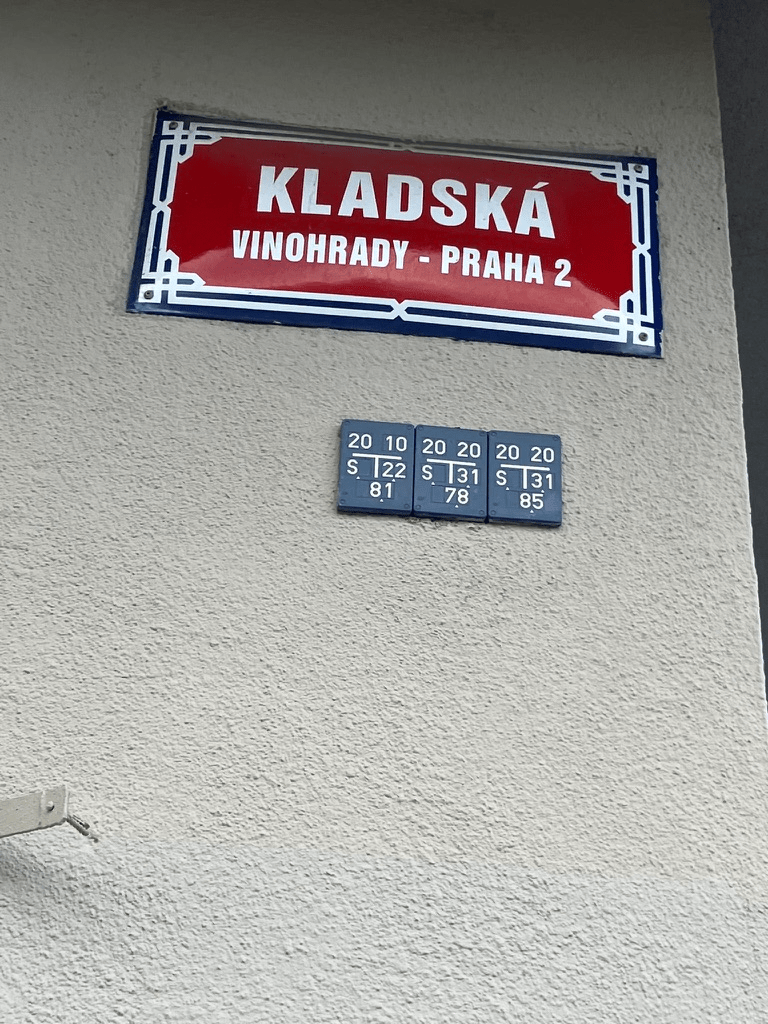
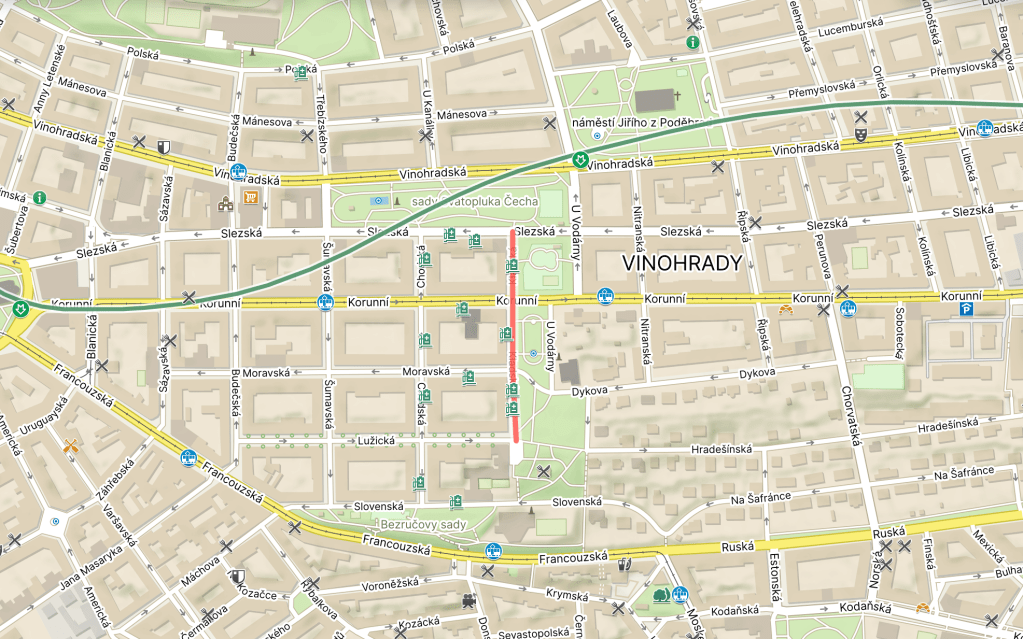
Kladsko in Czech is Kłodzko in Polish – a town of just under 27,000 people in Lower Silesia.
First mentioned in 981, its name derives from the Czech word kláda (log), as its first bridges, houses and fortifications were made of wood.
In time, this also gave the Polish language its word for footbridge, kładka.
From the 11th century, the region were fought over by the Piasts and the Premyslids.
After it was taken over by Soběslav I, a peace treaty in 1137 confirmed that it belonged to Bohemia.
The city was granted a coat of arms by Přemysl Otakar II in the mid-13th century.
Emblems don’t get much more Czech than this one (and I feel it’s telling me to stop what I’m doing and reread Gottland).

As the city became increasingly Germanised, its German name, Glatz, appeared in 1291.
In 1310, the Knights of St. John opened a school in the city, with its most famous pupil being Arnošt of Pardubice, later Archbishop of Prague.
George of Poděbrady established the town as the seat of the county in 1458, which gave it a boost; in 1501, it was purchased by one Ulrich von Hardeck, but it remained an outer region (vnější kraj) of Bohemia.
During the Thirty Years’ War, Kladsko/Glatz – whose population was predominantly Lutheran – was captured by the Austrians in 1622; they destroyed the castle and turned it into a fortress.
During the First Silesian War, Kłodzko fell under the rule of Prussia with effect from 1742.
Friedrich the Great saw the city’s military potential and expanded the fortress, which was besieged for the last time in 1807 during the Napoleonic Wars.
In 1938, the city’s synagogue was destroyed during Kristallnacht.
The fortress became a prisoner-of-war camp during WW2; however, Kłodzko came out of the war remarkably unscathed save the destruction of its bridges.
After WW2, the city became part of Poland despite Czechoslovak protests. The Poles initially called it Kładzko before changing the first vowel.
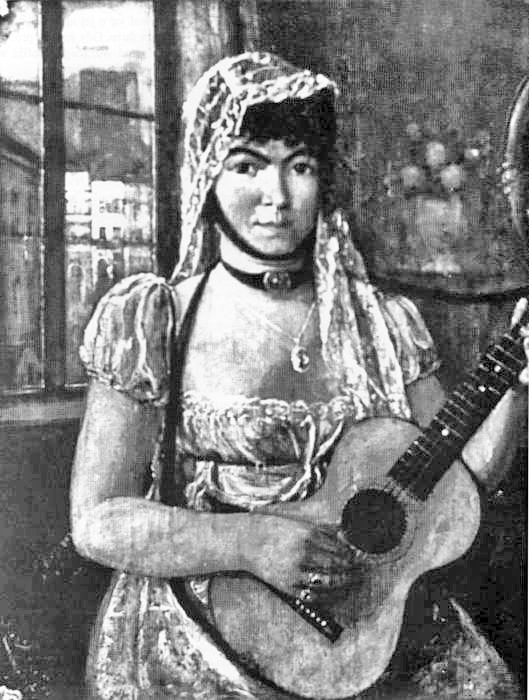
The most notorious inhabitant of Kłodzko was probably Sophie Charlotte Elisabeth Ursinus (1760-1836), who murdered her husband, aunt and lover with arsenic. Her trial led to the first reliable method for identifying arsenic poisoning.
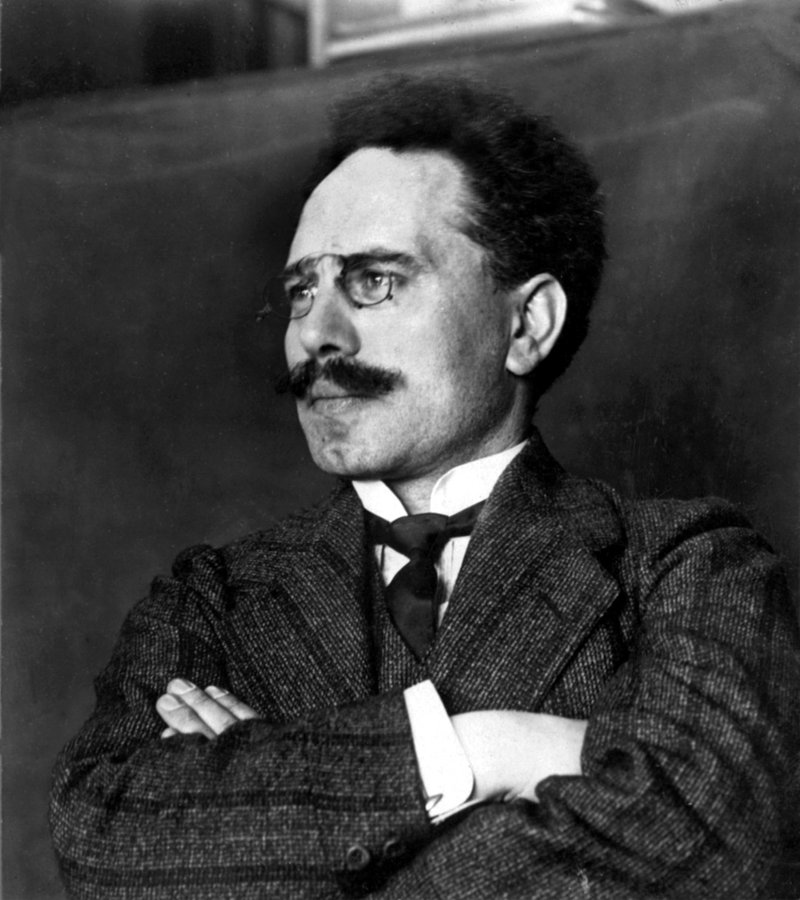
Karl Liebknecht (1871-1919), martyr for the German socialist cause, was imprisoned at the city’s fortress from 1907 to 1909.
Kłodzko’s medieval town is pretty damn cute and includes what looks like a smaller (and older) Charles Bridge. This has led the city to be nicknamed ‘Little Prague’ (Mała Praga).
Local tourist office RAZEMwPOLSKE has recently put up a nice documentary about the city, with English subtitles:
A special mention, also, to Minieuroland, a theme park opened here in 2016, showing famous monuments in miniature form. There’s a nice reproduction of Prague’s Old Town Clock in the photo gallery (Galeria zdjęć): https://minieuroland.pl/
During the September 2024 Central European floods, Kłodzko suffered particularly badly:

 What's in a Prague street name
Leave a comment