Originally published on Twitter on 3 December 2022. I know I’m falling behind with reposting these on here, partly because I’m writing a new one every day on that place while it still exists.
Moravská was built in 1889.
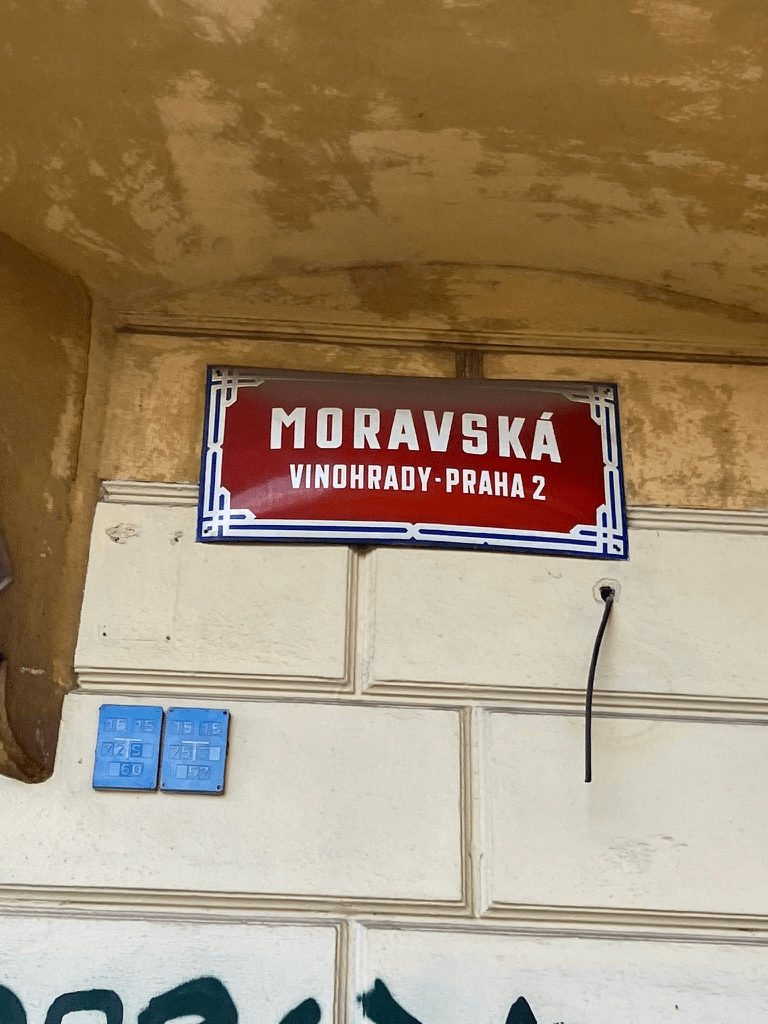

You know where Moravia is. I know where Moravia is.
I also don’t want to turn this into a straight ‘history of Moravia’ thread, largely because I’m not brave enough / stupid enough / sommelier enough / Moravian enough.
So let’s take a look at Moravian independence movements, AKA the Moravské hnutí, since the end of communism.
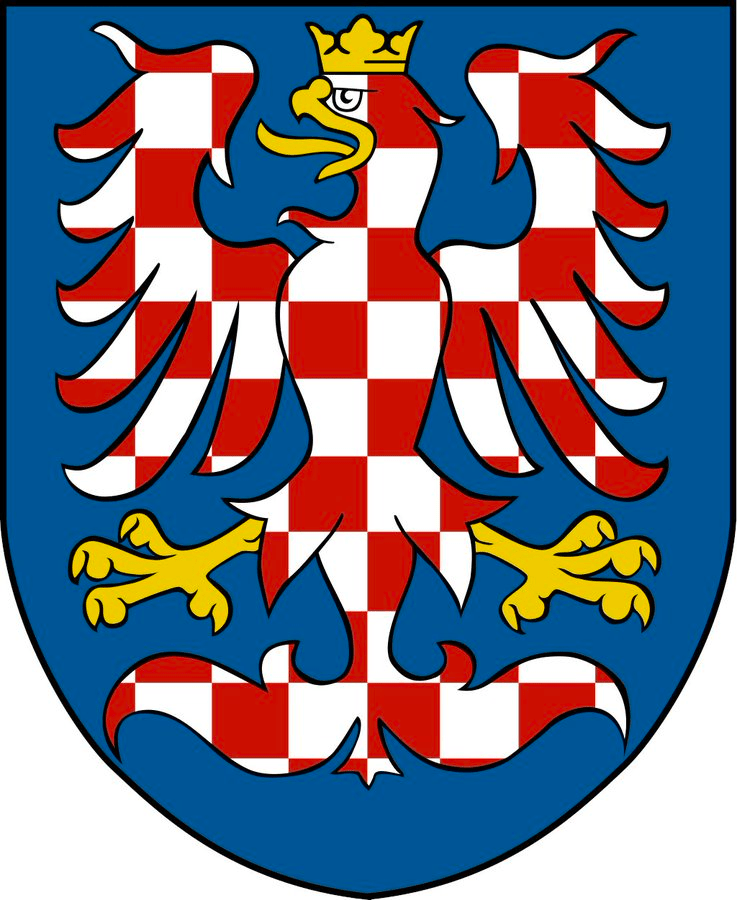
The Movement for Autonomous Democracy–Party for Moravia and Silesia (HSD-SMS) was founded in April 1990, and won 9 seats in the Czechoslovak parliament in elections two months later.
In the purely Czech elections, it came 3rd, earning itself a place in the Czech government.
When discussions concerning a revised Czechoslovak constitution took place that summer, HSD-SMS reps suggested that the Czech Republic should be renamed the Czech-Moravian Republic.
One petition to the Czech National Council in favour of autonomy for Moravia and Silesia got 630,000 signatures – a record.
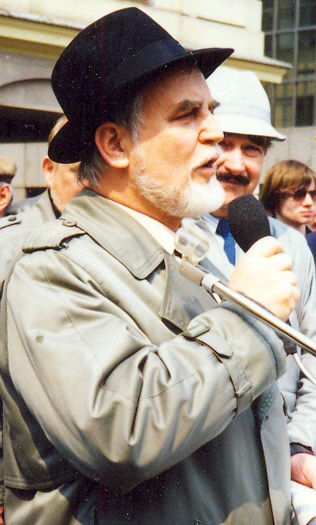
The HSD-SMS also organised major demonstrations to this end – here’s one in Brno on 2 March 1991:
Around this time, 13% of respondents in the Czechoslovak national census gave their nationality as ‘Moravian’.
However, the party soon split into two factions, and its leader, Boleslav Bárta, died suddenly in May 1991.
The party won a significantly reduced number of seats in the Czech elections – and lost all its seats in both houses in the (final) Czechoslovak ones.
The Moravian movement became increasingly disparate in the following years.
In 2005, HSD-SMS merged with the Moravian Democratic Party (MoDS, founded in 1997) to form Moravané – the Moravians. The party aims to change the Czech Republic into the Czech and Moravian Federative Republic.
It reached its best ever result in the 2021 elections – but ‘best ever result’ in this case means 14,285 votes, or 0.26% of all ballots cast.
Their 2010 campaign advert is here:
A more pro-European party, the Moravian Land Movement (Moravské zemské hnutí) was founded in 2018, and wishes to change the country into a federal republic consisting of Bohemia, Moravia, Silesia and Prague. It got 0.03% of the vote in the 2021 elections.
Here’s a video from its early days:
Finally, in 2020, a third party, Morava 1918, was formed. It is more conservative and, in the 2021 elections, ran along with Koruna Česká, a party which wants the monarchy back, specifically a Habsburg-Lorraine one.
Combined, they got 0.16% of the vote in 2021.
Meanwhile, the 2021 status showed 5% of respondents identifying as Moravian, down from 6.01% in 2011.
One thing Moravia is pretty good at is providing Prime Ministers – of the last eight, Paroubek, Tolopánek, Nečas, Rusnok, Sobotka and Fiala are were all born in the Moravian-Silesian region.
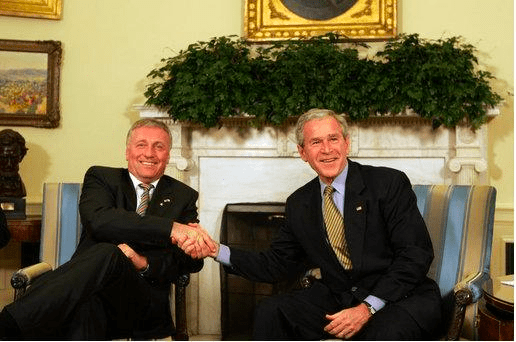
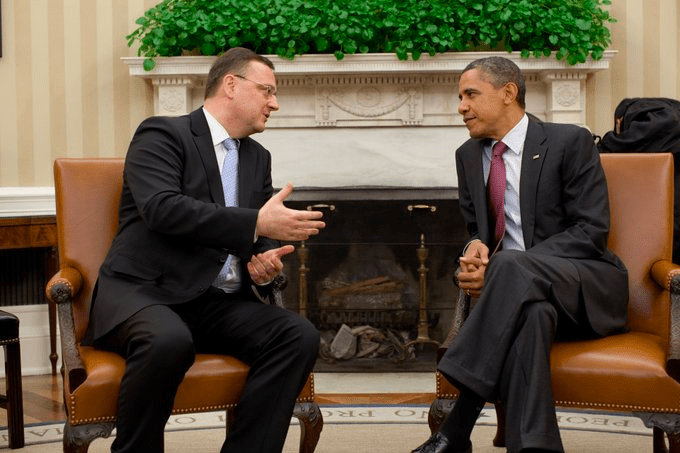
Here are Topolánek and Nečas with US presidents, possibly discussing burčák.
Another competition that Moravia is currently winning? The most streamed track in the country on Spotify, at the time of writing, is Habibi by STEIN27, a Brno-based singer and rapper:
However, the current most played local song on the radio is from Prague. And it’s by Chinaski. But when wasn’t it?

 What's in a Prague street name
Leave a comment