Originally published on Twitter on 4 December 2022.
Lužická was built around 1900.
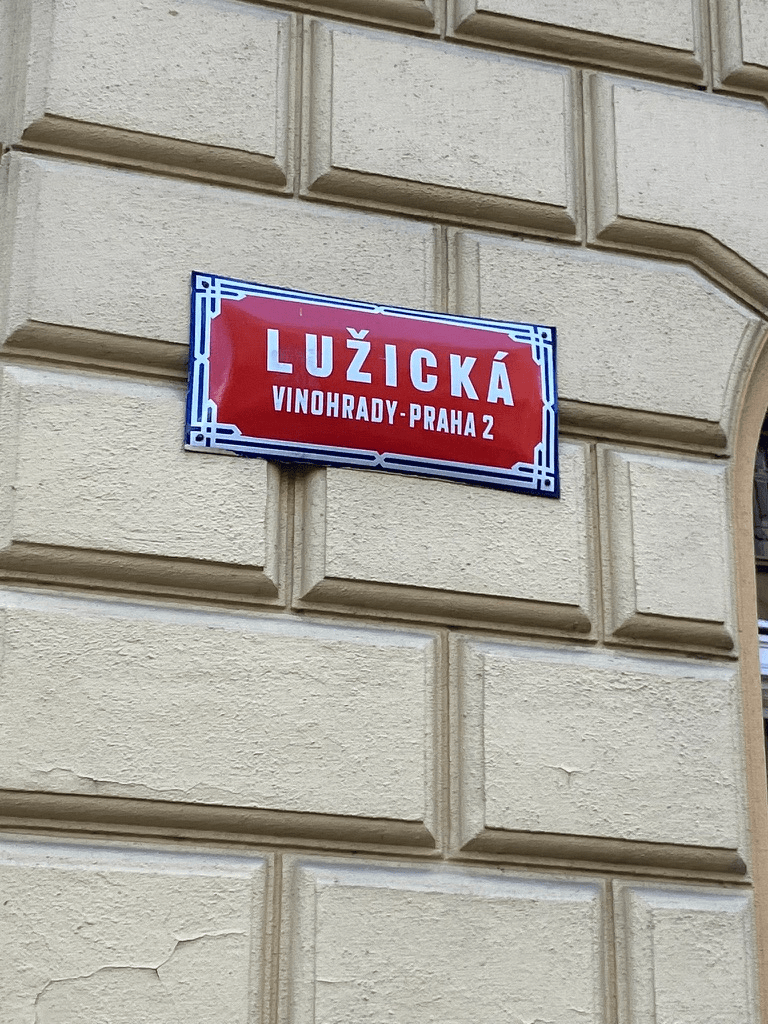
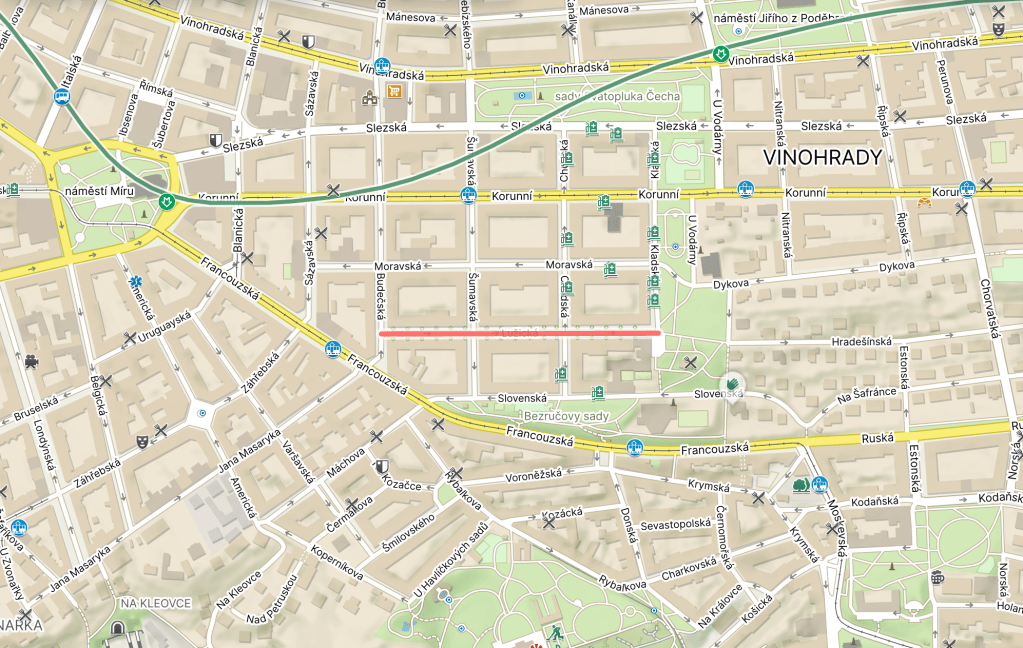
From 1940 to 1945, this was Rankova, after Leopold von Ranke (1795-1886), a historian and proponent of modern, source-based history.
But Lužice / Lusatia / Lausitz / Łużyce is a historical territory, nowadays split between Germany, Poland and the Czech Republic.

Slavic tribes, including the Mlceni / Milčané and the Sorbs (known as the Lužičtí Srbové in Czech to distinguish them from the Serbs of Serbia), are known to have settled here by the end of the 7th century.
Its location meant it became of interest to the rulers of Germany, Poland and Bohemia. Part of the territory was given to Vratislav II around 1080.
Here’s a picture of me trying to put all the territorial changes into a coherent order.

Territories in Lusatia were gradually acquired by the Luxembourg dynasty in the 1300s (https://whatsinapraguestreetname.com/2023/02/26/prague-3-day-153-lucemburska/). By the 1370s, Lusatia was fully incorporated into the Kingdom of Bohemia.
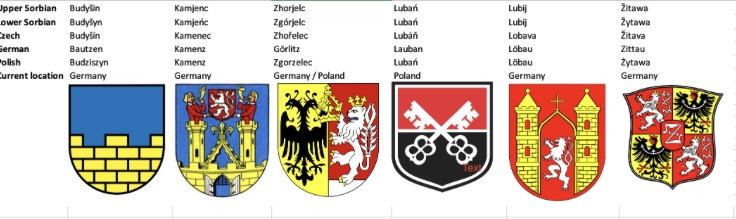
From 1346 to 1815, six towns in Upper Lusatia formed the Lusatian League (Czech: Lužické Šestiměstí) in order to defend their interests against marauding knights and competition from other cities.
Here’s a list of them in five languages.
After the Peace of Prague in 1638, most of Lusatia became part of Saxony.
In 1722, the town of Herrnhut was founded by religious refugees from Moravia, who founded the Moravian Church there.
After the 1815 Congress of Vienna, Lusatia was divided between Prussia and Saxony, with the Prussian part being divided between the Provinces of Brandenburg and Silesia.
The 19th and 20th centuries would lead to a flourishing of the Sorbian languages, until their use was banned by the Nazis.
After 1945, Lusatia was divided between Germany and Poland along the Oder-Neisse line; Poland expelled its Sorbian population.
Sorbs living in Czechoslovakia wanted the annexation of Lusatia to their country of residence, but this was rejected.
60,000 Sorbs live in Germany, and are one of the country’s recognised national minorities, alongside the Danes, the Frisians, the Sinti and the Roma.
Bautzen is considered the political and cultural capital of the Sorbs: https://www.bautzen.de/en/citizens-town-hall-politics/city-portrait/the-sorbs
Upper Sorbian (Wikipedia on https://hsb.wikipedia.org) has about 20,000 speakers in Saxony, and Lower Sorbian (Wikipedia on https://dsb.wikipedia.org) has about 7,000 in Brandenburg.
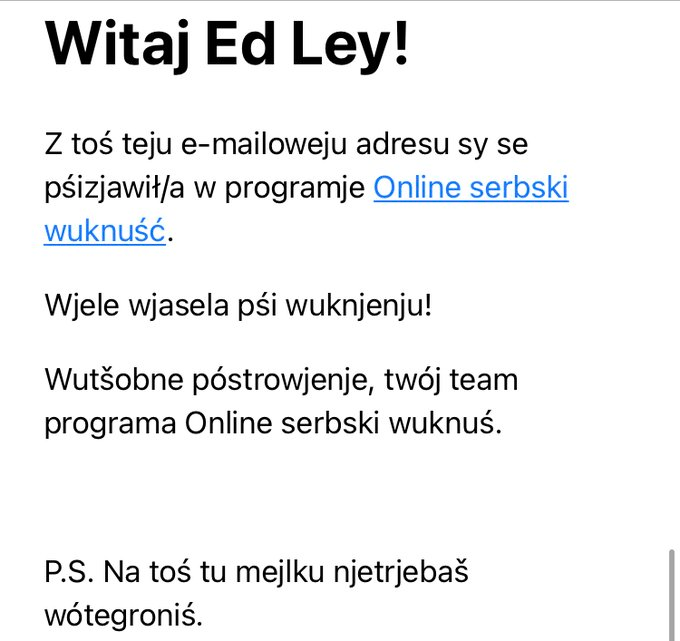
You can learn both languages free on https://sprachkurs.sorbischlernen.de/#/welcome. I’ve signed up and got automated proof that the languages are similar but not identical.

There’s also a Sorbian-language newspaper, Serbske Nowiny. It requires you to sign up, but I can see enough to tell you, that, as this is a Germany-based newspaper, there’s currently an article in the sports section about ‘Znowa kónc w skupinskej fazy’.
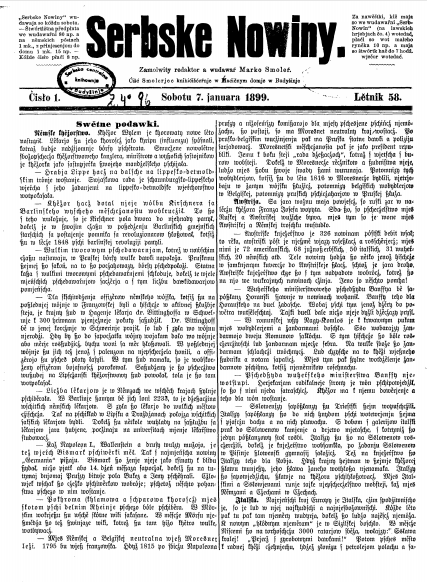
Local public broadcaster MDR also has a Sorbian service: https://www.mdr.de/serbski-program/rozhlos/index.html
Fringe benefits of doing these threads: next time I see Görlitz mentioned, I can think something other than ‘oh, that’s the place the press send someone to before every German election to show how divided Germany is’.
Finally, say what you want about the GDR, but they made some cracking stamps. Here’s a set from 1982, celebrating Sorbian culture.

Not going to lie, the second one scares me a little.

 What's in a Prague street name
Leave a comment