Originally published on Twitter on 5 December 2022.
Slovenská was built around 1900.
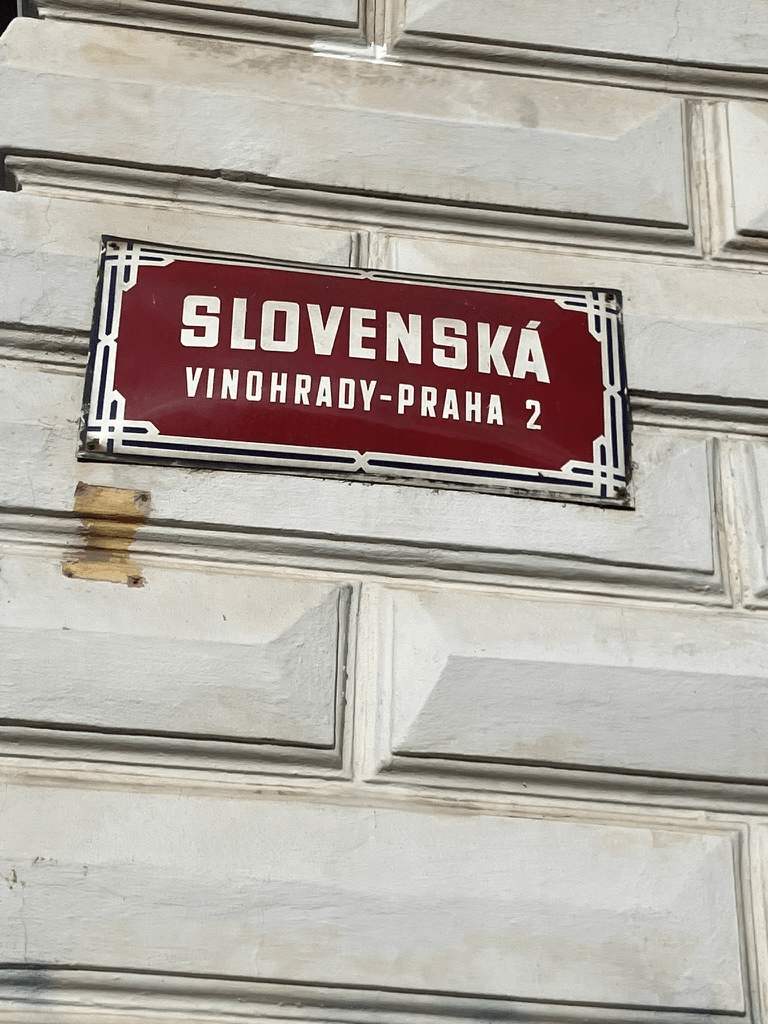
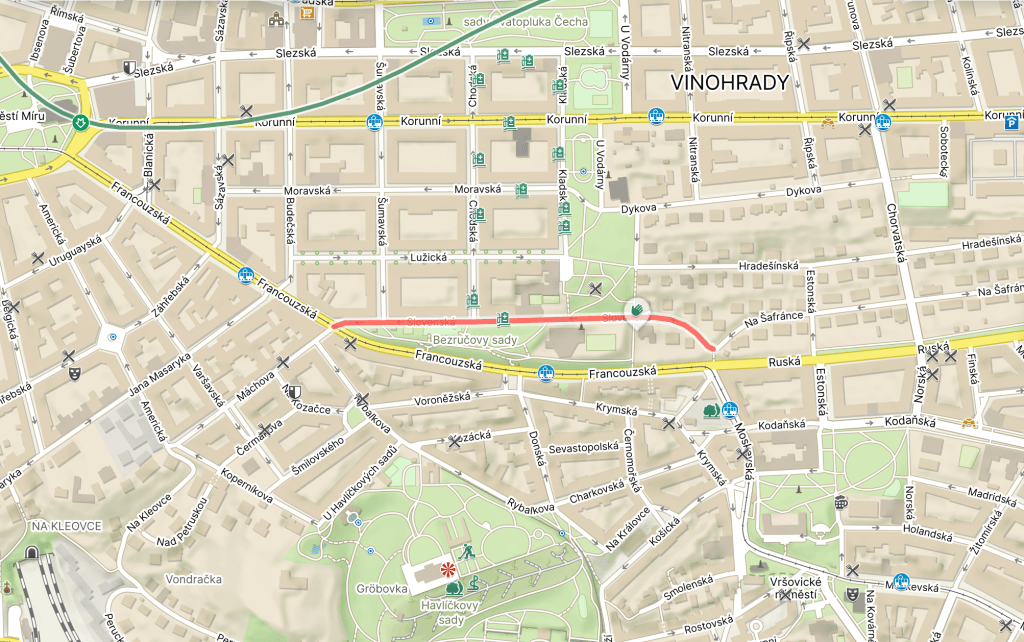
As with Moravia, I don’t want to do a ‘this is the history of […] in 15-20 tweets’ thing. So this seems like a good opportunity to remember that the Velvet Revolution happened in Slovakia too.
The Slovaks prefer to call it the nežná revolúcia – the gentle revolution.
In August 1989, five people were arrested because they’d informed the Slovak government that they intended to place flowers where Warsaw Pact soldiers had killed demonstrators in 1968.
They were Ján Čarnogurský, Miroslav Kusý, Hana Ponická, Anton Selecký and Vladimír Maňák. Čarnogurský would head the Slovak government from 1991-2.
They became known as the Bratislava Five (Bratislavská päťka). A petition circulated for their release.
In October, Milan Kňažko, a famous actor – and later a Minister of Culture and of Foreign Affairs in an independent Slovakia – submitted a letter to the government, giving up the title of ‘meritorious artist’ (most Soviet award title ever) in protest against the regime.
On Wednesday, 16 November, 150-300 students held a protest on Hodžovo námestie (then Mierové námestie). The protest was mainly in favour of academic freedom, but also in favour of the release of Ján Čarnogurský.
When the security forces arrived, they started a procession to Šafárikovo námestie, where student Danka Košanová had been shot in 1968.
She was fifteen. Fifteen.
The security forces ultimately allowed the students to leave; the protesters were probably lucky that the police were more concerned about a certain demonstration due to take place in Prague on the 17th.
On the 18th, reeling from the events in Prague and the (ultimately fictitious) reports that a student, Martin Šmíd (also fictitious), had been killed, activists met secretly in apartments in Bratislava.
The Hungarian Independent Initiative, representing Slovakia’s Hungarians, was founded in Šaľa on the same day.
A further meeting of dissidents took place at Bratislava’s Umelecká beseda slovenská on the 19th. This was the impetus for the formation of the Verejnosť proti násiliu (VPN) – the Public Against Violence – Slovakia’s counterpart to the Civic Forum: https://www.tyzden.sk/spolocnost/78549/bratislavska-umelecka-beseda-den-prvy/
The first mass demonstrations in Bratislava started on the 20th. On the same day, the students of Comenius University formed a strike committee. Theatres, as well as other universities, followed suit.
Here’s footage from Námestie SNP on the 22nd:
The sound system had been provided by Tublatanka, one of Slovakia’s top rock bands.
And here’s demonstration footage from Bratislava, Košice and Banská Bystrica in that week:
Slovak state television started showing these demonstrations uncensored; on the 24th, they broadcast the first free discussion between the opposition and the communists that had ever been shown on Czechoslovakian television.
President Husák granted amnesty to Ján Čarnogurský and Miroslav Kusý, among others, on the following day (the 25th), and Bratislava’s Pravda newspaper joined the opposition ranks on the 26th.
While all eyes were on Letná in Prague on the 25th, (see the clip below – it has Bratislava footage about seven minutes in), it was also the day that the VPN issued its list of twelve demands.
This video shows Havel making a speech in Košice in November 1989, but I haven’t been able to establish the exact date.
I assume it was around the 29th, as he, Marta Kubišová and others had attended a round table of the OF and the VPN at the National Theatre in Bratislava that day.
Or was it actually in December? I’ve seen plenty mentions of a visit by Havel to Košice then.
On 6 December, the Vlak nežnej revolúcie (Train of the Gentle Revolution) went from Bratislava to Košice via Źilina. Students, actors and other cultural representatives got out along the route to give presentations about the revolution and its aims.
Great pics of the train are on https://1989.sng.sk/vlak-neznej-revolucie… – which gives a brilliant and highly detailed day-by-day breakdown of revolution-related events too.
Husák swore in a government where the majority of members weren’t communists on 10 December, and resigned shortly afterwards; the government had a Slovak, Marián Čalfa, at its head.
Slovakia itself would get a non-communist government two days later, headed by Milan Čič.
I don’t know if Slovaks say vďaka, že môžeme. But that doesn’t stop me from saying it.
So: vďaka, že môžeme. Big time.
But it would’ve been nice if Danka Košanová had been around to witness it.


 What's in a Prague street name
Leave a comment