Originally published on Twitter on 7 December 2022.
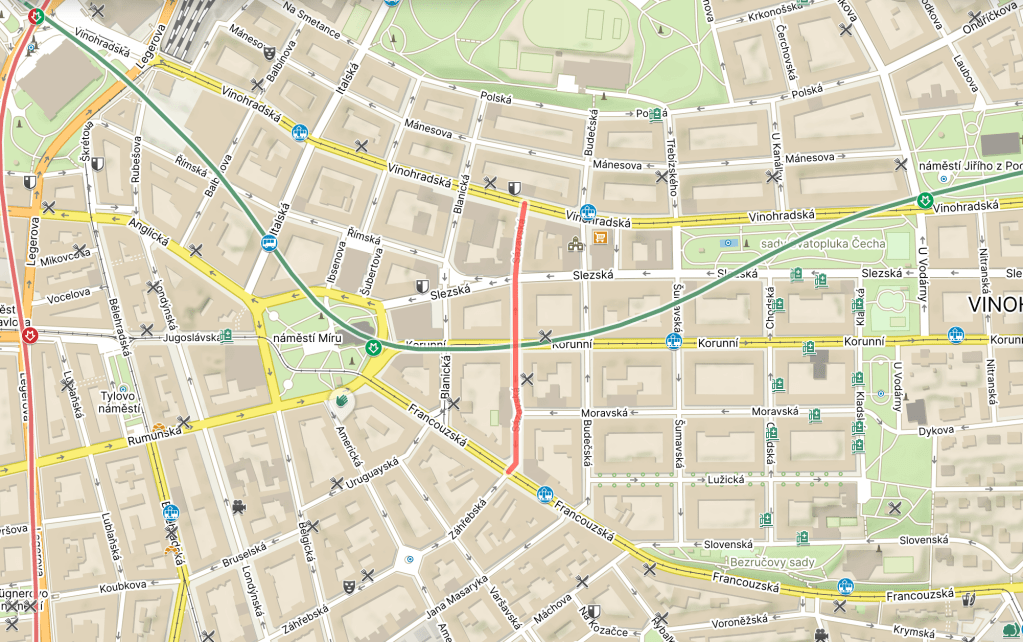
Sázavská was built in 1889.

Sázava is the name both of a river in the Vysočina and Central Bohemian regions, and of a town of 3,700 people on its banks, in the Benešov district.
The proto-Slavic verb sázeti means something like ‘to depose a lot of sediment’.
The verb is much more attractive than the phrase, isn’t it?
The suffix -ava comes from the Indo-European apa or opa, meaning water or sea. Hence Morava, Opava, Otava and Vltava – and, extending this to places located on rivers, Ostrava.
I’m also going to assume this is how German ended up with the Moldau and the Donau, among others.
The river originates in the Žďárské vrchy, a mountain range that’s in the Bohemian Massif. It meanders from there through various towns, the largest of which are Žďár nad Sázavou (obviously) and Havlíčkův Brod.
(Painting by Ludwig Förster, 1798-1863)
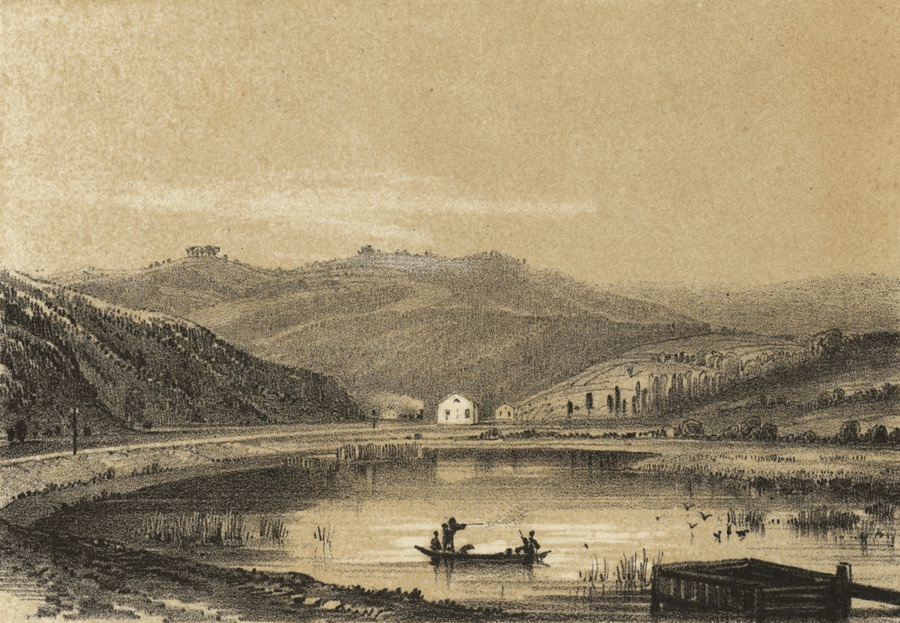
After 226 kilometres, it meets the Vltava, just south of Prague. This part of the river has a distinctive colour due to the clay-based nature of the soil, leading some to call it the Zlatá řeka, or the Golden River.
It’s very popular with adventure sport enthusiasts, especially around Stvořidla, a stretch of whitewater, although that part is not always navigable.
The Týnec–Pikovice section also receives a lot of footfall (Canoefall? Or just waterfall?).
As for the town, it was established on the site of the Sázava Monastery, founded by Břetislav I in 1032, and home to St Prokop’s hermetic community.
It was very predictably destroyed in the Hussite Wars, before being revived, but was ultimately closed in 1785.
The monastery is a location in the 2018 video game Kingdom Come: Deliverance, which is set in Bohemia in 1403 and has been praised for being quite historically accurate. And has sold over 5 million copies.

The town is also known for its glassworks, nowadays known as Kavalierglass, Inc., founded by František Kavalír and now over 180 years old: https://www.kavalier.cz/en/company/history.html.
Their work is also part of the National Theatre and two stations of the Prague Metro.
Sázava’s most famous son (who didn’t die in 1053, that is) is Jiří Voskovec (1905-81), a founder of the Osvobozené divadlo (Liberated Theatre) who left for the United States in 1939 along with Jan Werich.
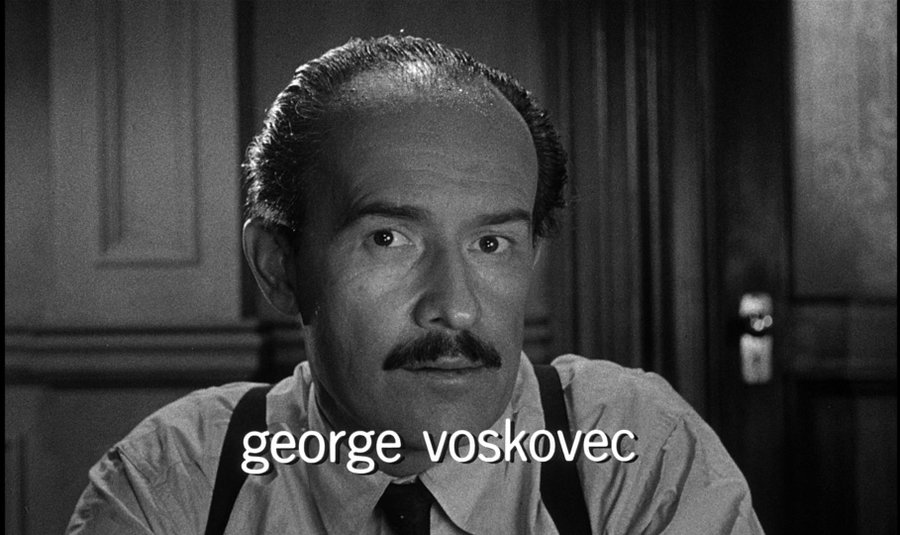
Swapping Jiří for George, he would star in classic films such as 12 Angry Men (1957), The Spy Who Came In from the Cold (1965) and The Boston Strangler (1968).
And, of course, the Liberated Theatre was where Voskovec and Werich collaborated with Jaroslav Ježek, subject of one of my favourite streets to write about in the Prague 3 series: https://whatsinapraguestreetname.com/2023/01/14/prague-3-day-136-jezkova/

 What's in a Prague street name
Leave a comment