Originally published on Twitter on 10 December 2022.
Škrétova was built around 1875.
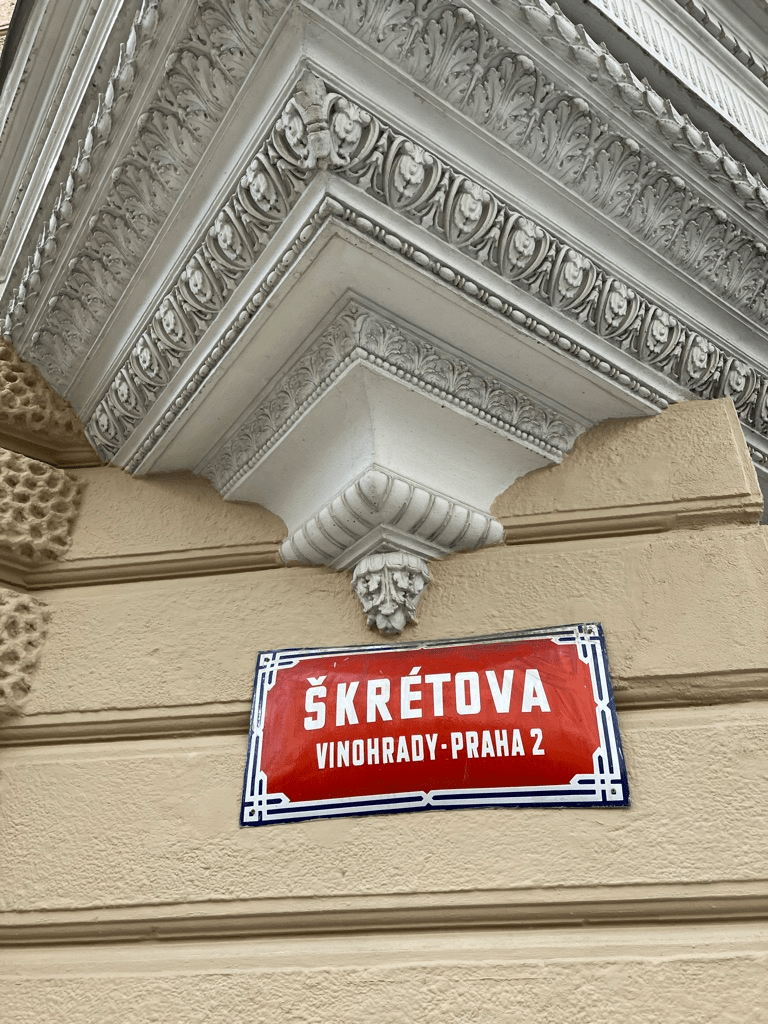
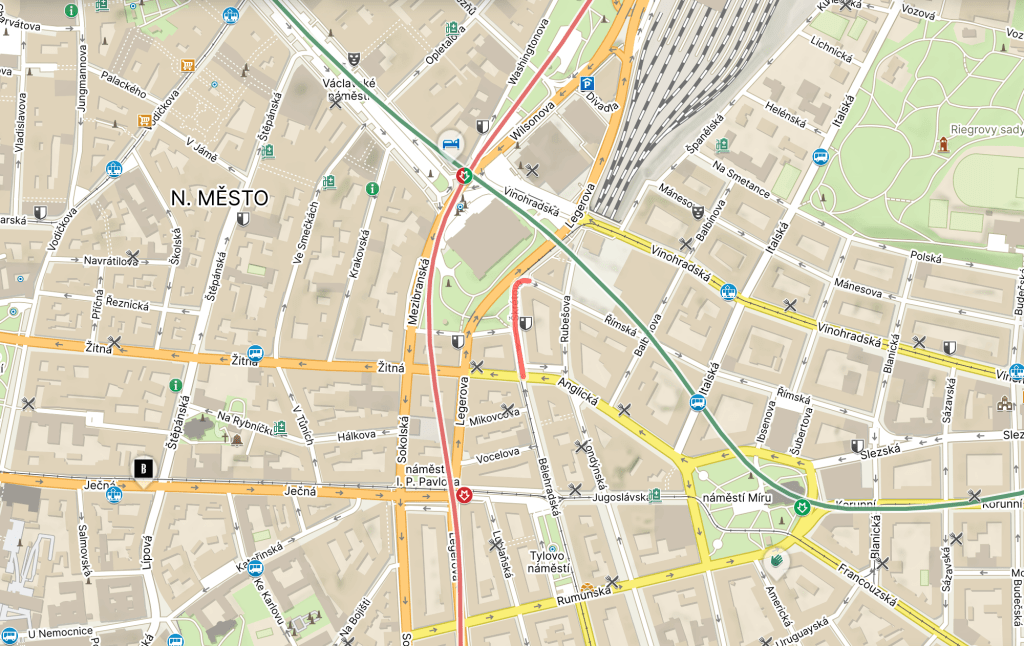
Much like Rubešova (https://whatsinapraguestreetname.com/2024/02/18/prague-2-day-33-rubesova/), and for similar reasons. the street was once longer, but now exists in redux form.
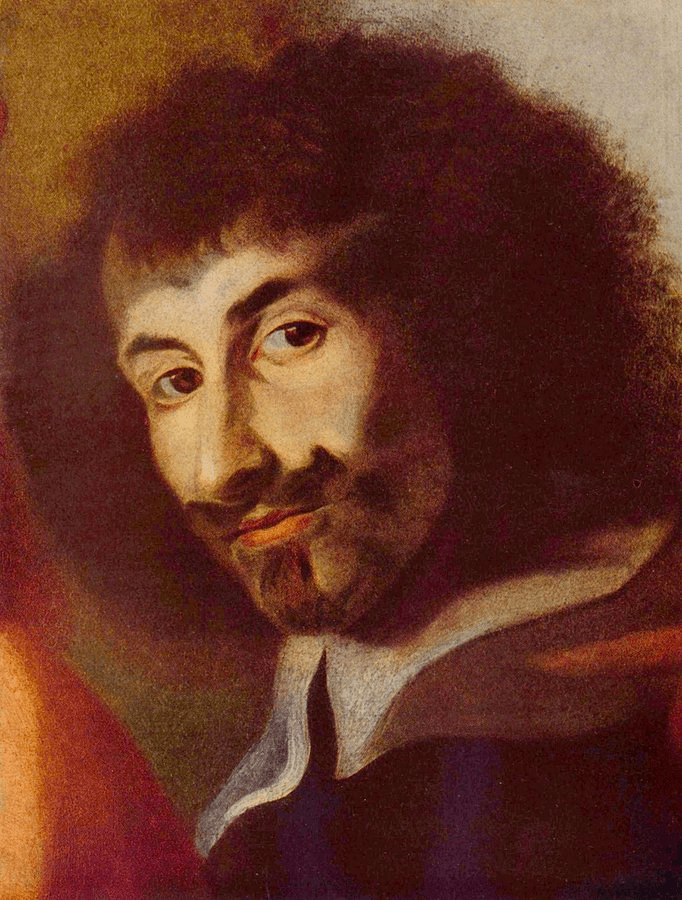
Karel Škréta Šotnovský ze Závořic (self-portrait below), the youngest of seven children, was born in the house named U černého jelena on Týnská in the Old Town, i.e. Currently Tourist Central, in 1610.
The family fled into exile after the Battle of Bílá Hora in 1620. In the early years of adulthood, Škréta spent time in Bologna, Florence, Venice and Rome.
He became a portrait painter, strongly influenced by the Italian style.
*briefly wonders if it’s a coincidence that this street and Římská (https://whatsinapraguestreetname.com/2024/02/18/prague-2-day-32-rimska/) lead into each other*
He returned to Prague in 1638 – a return facilitated by his conversion from Protestantism to Catholicism and his willingness to make religious paintings.
Škréta then became the most important Czech Baroque painter of the 17th century.
His paintings often placed people in theatrical costumes, or in mythological stories.
Here we have Paris and Helen, Portrait of a Miniaturist, The Mathematician and His Wife, and Gem-cutter Dionysio Miseroni and his Family.

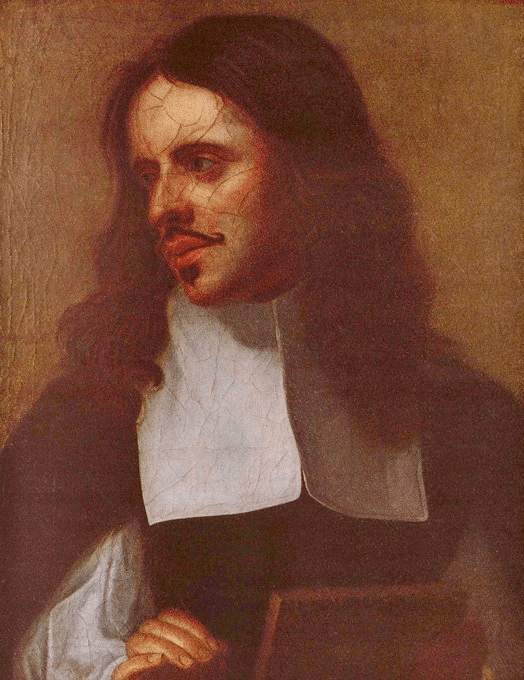
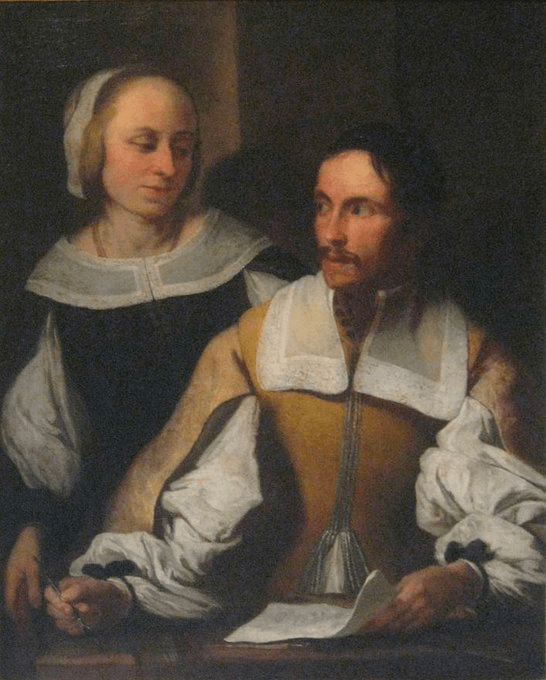

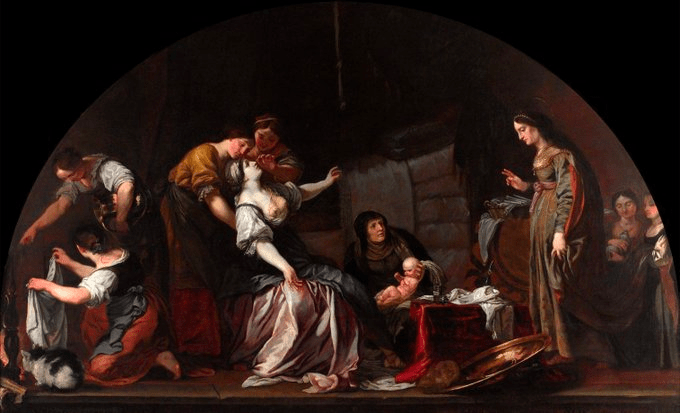
Here we have his 1640 representation of the birth of St Wenceslas, as well as his 1660 painting of the same on the throne.

As well as his portraits, Škréta created altarpieces and other works for cathedrals in Bohemia, including Týnský chrám, and Kostel svatého Prokopa on Sladkovského náměstí (https://whatsinapraguestreetname.com/2023/01/13/prague-3-day-132-sladkovskeho-namesti/).
Škréta broke one of the cardinal rules of my posts about streets named after artists by not dying particularly young for the time or particularly tragically (he died in 1674 and is buried in the Kostel svatého Havla / Church of St. Gallen in the Old Town).
He was known to have a hot temper, though, and one fight reputedly ended with his opponent getting killed.
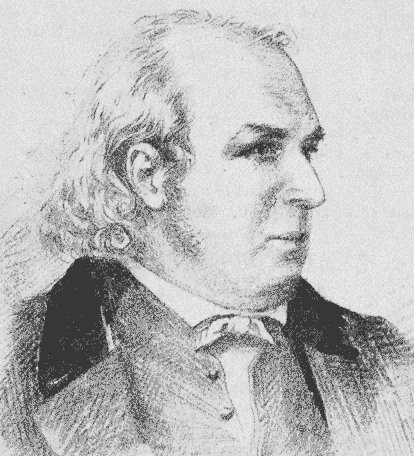
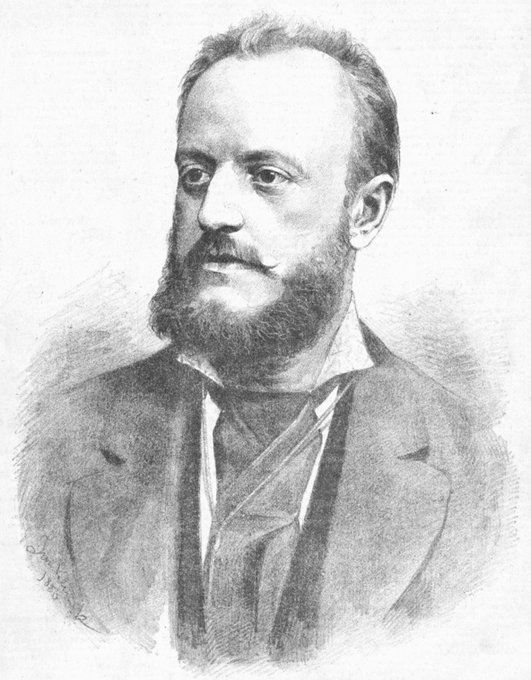
This story inspired two 19th century pieces, both named Karel Škréta – a comedy by Václav Alois Svoboda (1841) and an opera by Karel Bendl (1883).
I have a particular fondness for Škréta’s 1648 drawing of the Siege of Prague.


 What's in a Prague street name
Leave a comment