Originally published on Twitter on 21 December 2022.
Francouzská was built in 1884.
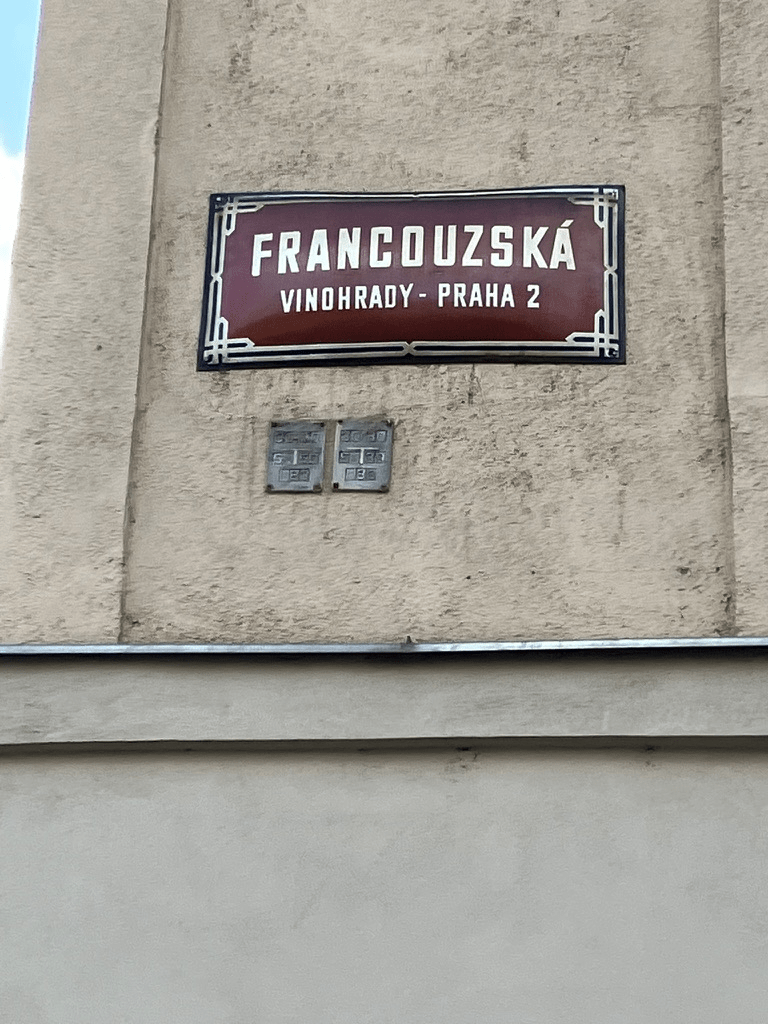
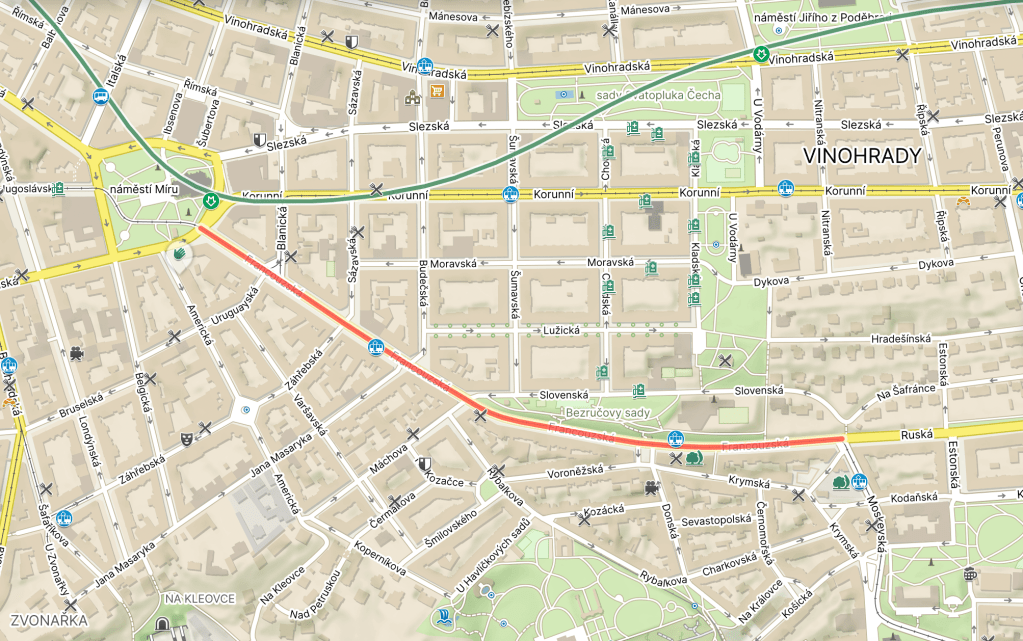
Like Anglická (and Moskevská in Prague 10), this was formerly part of the highway leading to Vršovice: https://whatsinapraguestreetname.com/2024/03/02/prague-2-day-39-anglicka/.
Then, also like Anglická (and Moskevská), it was renamed to Palackého until 1926.
In 1940, both Anglická and Moskevská became Bismarckova, after Otto von Bismarck (1815-98), who’d masterminded the unification of Germany.
They then became Palackého again from 1945 to 1947, before reverting to their current names.
French-Czech relations obviously go back a very long way, with the French court raising Karel IV and taking credit for how sophistiqué et raffiné et cultivé et comme il faut et tout ça he was.
Then, in 1918, France became the first country to recognise the newly founded state of Czechoslovakia: https://francais.radio.cz/le-role-joue-par-la-france-dans-la-creation-de-letat-tchecoslovaque-independant-8590728
On 9 December 1988, less tha a year before the Velvet Revolution, then-President of France, François Mitterrand, when on a visit to Prague, had breakfast with Václav Havel, who was then a dissident, at the French Embassy.
Famously, during their conversation, Havel told Mitterrand that he went everywhere with a toothbrush, because he didn’t know how/where the evening would end.
There’s a clip of how this was reported by Czechoslovak state television on https://ct24.ceskatelevize.cz/clanek/domaci/pred-30-lety-se-snidalo-u-mitterranda-husak-musel-pockat-prednost-dostal-havel-321755.
And, of course, the rotating presidency of the European Union means that both of the last two French presidencies have been immediately followed by a Czech one: https://wayback.archive-it.org/12090/20221120094407/https://presidence-francaise.consilium.europa.eu/fr/
As for renowned French people of Czech origin? Well, the most obvious example must be Milan Kundera, who went into exile in France in 1975 and became a citizen in 1981.
He’s written all his novels in French since 1983.


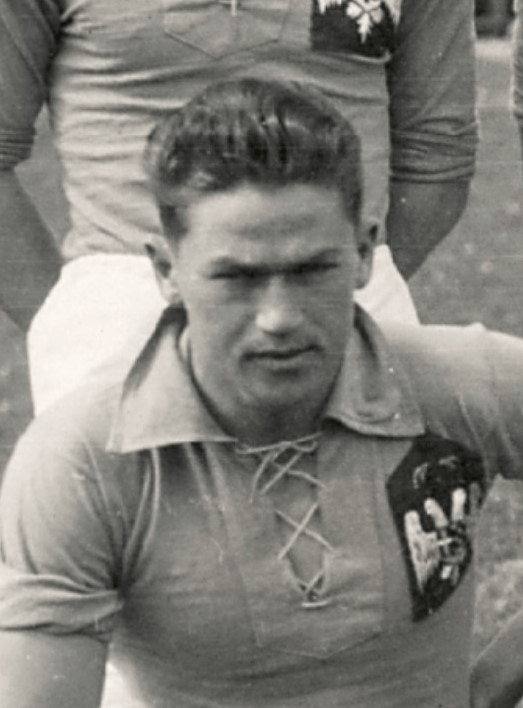
Ivan Bek (1909-1963), a football player who played for Yugoslavia in the first World Cup in 1930, and later played for France, was born in Belgrade to a German father and a Czech mother.
Enki Bilal, an award-winning creator of comic books such as the Nikopol and Monstres series, was also born in Belgrade, to a Czech mother and a Bošnjak father.
Please allow me a minute to wonder why I’m learning all this *after* last week’s post (https://whatsinapraguestreetname.com/2024/03/02/prague-2-day-40-belehradska/).
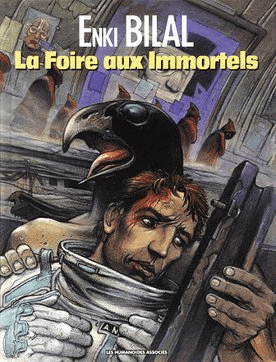
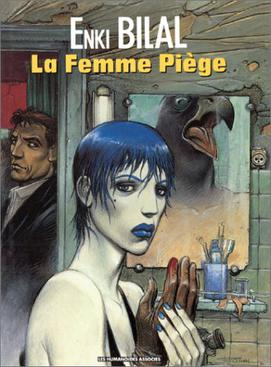
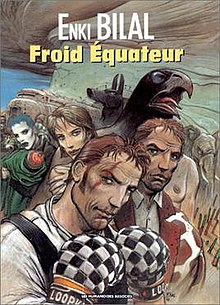
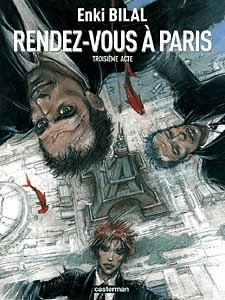
Gérard Philipe, one of the big stars of French cinema until his untimely death at the age of 36 in 1959, was one quarter Czech:
French Jewish printmaker and sculptor Terry Haass (1932-2016) was born in Český Těšín. The family fled Czechoslovakia in 1938.
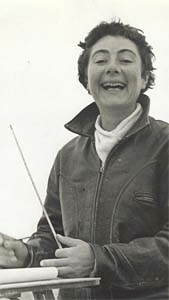
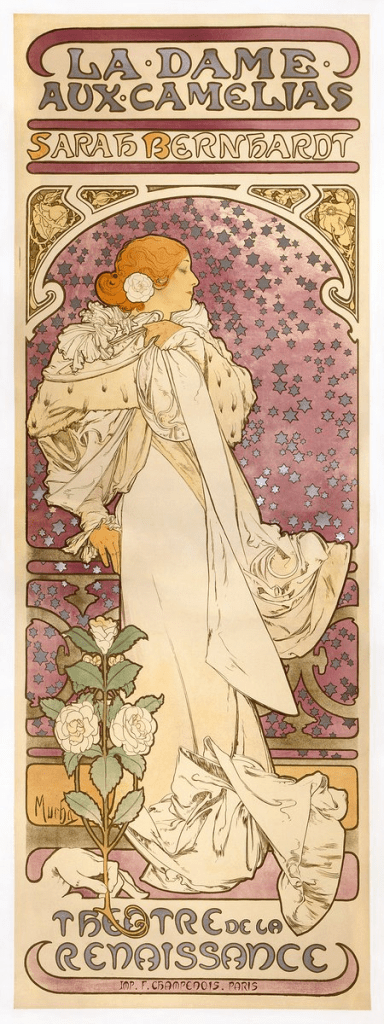
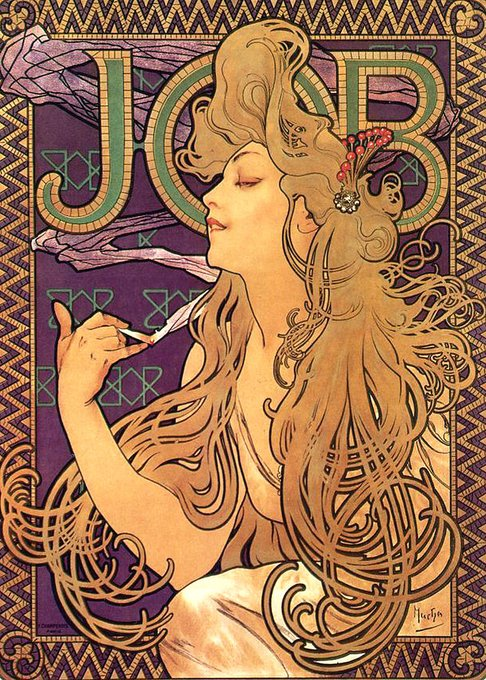
Alfons Mucha (1860-1939), while never becoming a French citizen, lived in Paris during the Art Nouveau period, and now I just want to create a thread consisting entirely of his work.


Meanwhile, remember these two (whom one can describe as ‘polémiques’) dying of COVID-19 in January 2022: https://www.bbc.com/news/world-europe-59867046?
Their mother, the catchily-named Maria “Maya” Dolores Franzyska Kolowrat-Krakowská, was of Bohemian descent.

 What's in a Prague street name
Leave a comment