Originally published on Twitter on 23 December 2022.
Záhřebská was built in 1872.
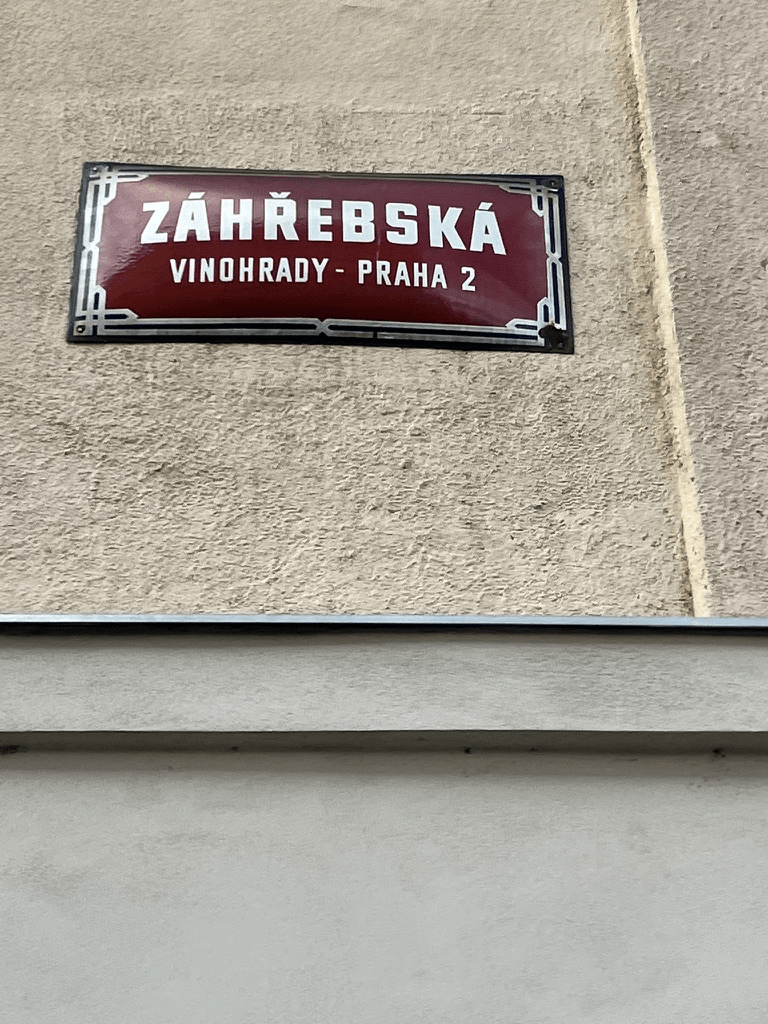

Until 1880, this was Hrabova, after Josef Hraba (born 1815), a hotelier who owned the land upon which the street was built (and who died the year before it was).
Then, until 1926, it was Klicperova, after Václav Kliment Klicpera (1752-1859), a playwright who was particularly important in the development of Czech comedic theatre.

Zagreb is the capital of Croatia, a country that quite possibly has a Czech ethnic majority for two months of the year. (I exaggerate)
It also has a more permanent Czech population of just under 10,000, mainly in Western Slavonia. There’s even one village, Končanica (population 2,360), where they outnumber Croats.
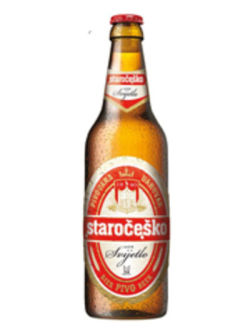
Another village, Daruvar, where Czechs are almost 20% of the population, produces this.
The Czechs and the Slovaks elect a special representative to the Croatian Parliament (Sabor) – but it seems they only get one between them: https://www.sabor.hr/en/members-parliament/bilek-vladimir-10-term
Perhaps the most famous Czech of Croatian origin was Vlado Milunić, who was born in Zagreb in 1951, but moved to Czechoslovakia in his teens. He designed the Dancing House with Frank Gehry.
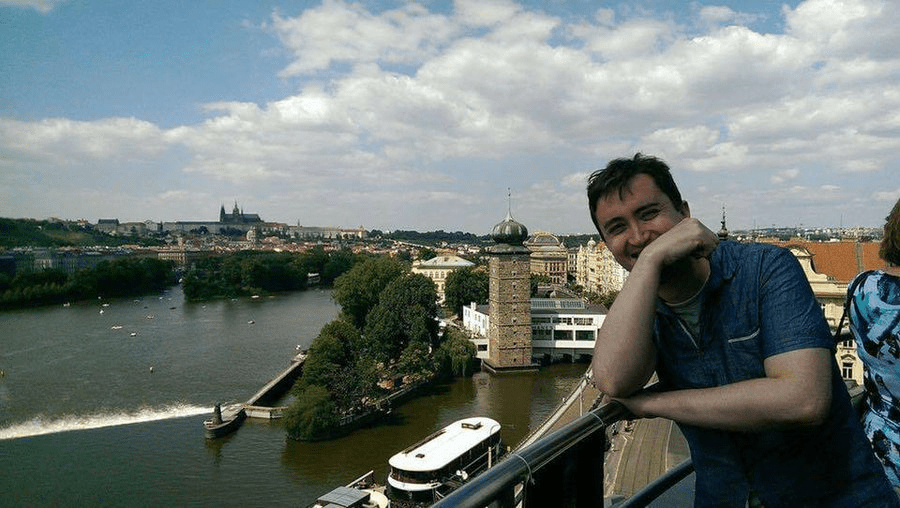
(Divisive building; great views if you ignore the guy in front)
Milunić died in September 2022: https://www.irozhlas.cz/zpravy-domov/milunic-architekt-smrt-tancicic-dum_2209171455_mst
Zagreb, meanwhile, is really underrated, although this can partially be put down to the fact that Croatia is shaped the way it is, and it’s not exactly a quick drive from the most popular coastal resorts.

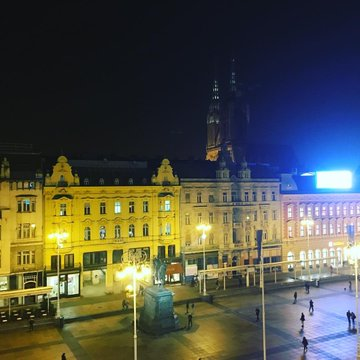


Although some of the menus in the shopping centre under the train station are a little worrying, or were in 2015.

And its hotels sometimes send you slightly ominous messages, or did in 2019.

And if you didn’t know that Hrvat (Croat, Chorvat) —> cravate, this pic from the same trip definitely rams that message home.


 What's in a Prague street name
Leave a comment