Originally published on Twitter on 29 December 2022.
Tylovo námestí, colloquially known as Tylák, was built around 1875.


The square was built on what was then the highway to Linz-slash-Nusle, i.e. present-day Bělehradská: https://whatsinapraguestreetname.com/2024/03/02/prague-2-day-40-belehradska/
When the square was founded, it was called Tržiště – the Marketplace – or Tržní náměstí – Market Square, for obvious reasons. There are still popular farmers’ markets here nowadays (albeit not until the spring if you’re reading this in December): https://trhynatylaku.cz
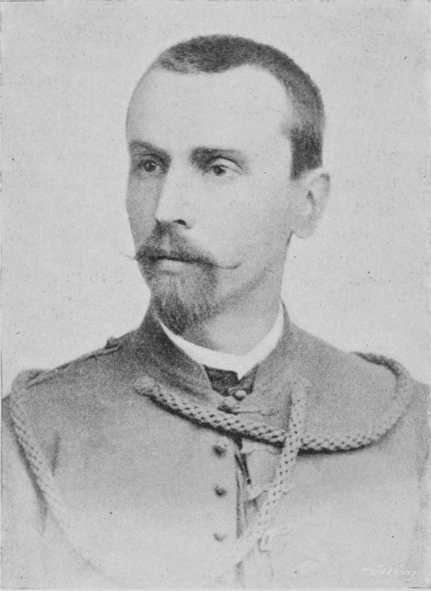
From 1938 to 1940, and again from 1945 to 1952, this was Scheinerovo náměstí, after Josef Scheiner (1861-1932), lawyer, gymnast and official who was most famous for contributing to the development of the Sokol and of an independent Czechoslovakia.
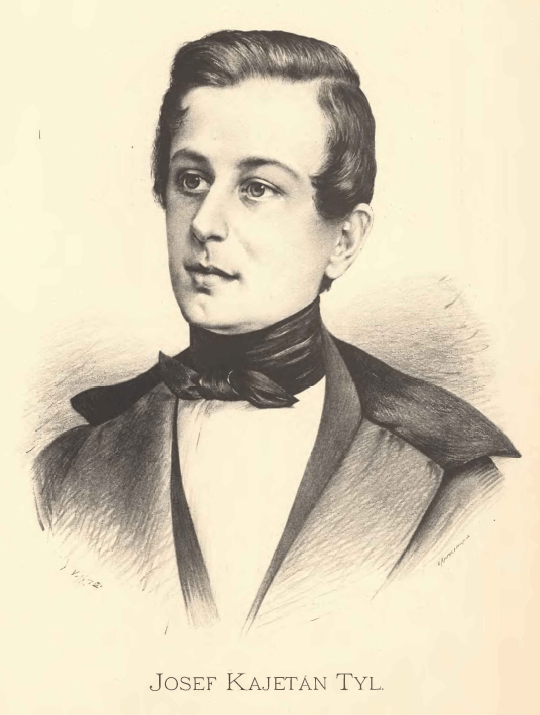
The rest of the time, it’s been Tylovo. Josef Kajetán Tyl was born in Kutná Hora in 1808, though his surname at birth was ‘Till’ (he changed it to Týl in 1825, and Tyl in 1838).
He went to school in both Prague and Hradec Králové, before going to Charles-Ferdinand University (he didn’t finish his studies, leaving to join a travelling theatre company).
Returning to Prague after two years, he became an accountant for the military, while devoting himself to journalism and theatre on the side. He also acted at Stavovské divadlo.
One of his plays that was premiered here in 1834, Fidlovačka, would become immortal when one of its songs, Kde domov můj, became the Czech national anthem (with music by František Škroup – https://whatsinapraguestreetname.com/2023/02/26/prague-3-day-145-skroupovo-namesti/).
In the 1830s, he also ran another (quite intellectual) theatre, Kajetánské divadlo, for four years on Mála Strana, along with Karel Hynek Mácha, among others.
In 1842, he was able to quit the day job, as he got a job as the director of the Nové české divadlo on Rúžová; when this closed in 1846, he became a dramaturgist at the Stavovské divadlo.
Tyl was active in the failed revolution of 1848 and its aftermath – he was part of the St Wenceslas Committee, was involved in the Slavic Congress, and, later in the year, was elected, briefly, to the Austrian Constituent Assembly.
However, his political leanings led him to be expelled from the Stavovské divadlo (which, at the time, still had a mainly German repertoire).
While with the travelling ensemble, he had met actress Magdalena Forchheimová, whom he would marry in 1839. The marriage was childless and lasted until his death.
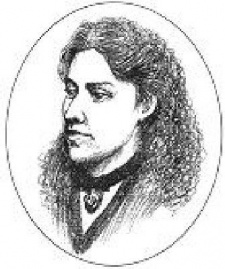
However, two years later, Tyl would start an affair with Magdalena’s sister, Anna. She bore him eight children – and Josef, Anna and Magdalena all lived under the same roof.
This was a costly exercise, and no matter how much work Tyl took on, he didn’t seem able to clear his debts. He joined another travelling theatre company, but fell ill and died, destitute, in 1856. He was 48.

 What's in a Prague street name
Leave a comment