Originally published on Twitter on 6 January 2023.
Šafaříkova was built around 1880.
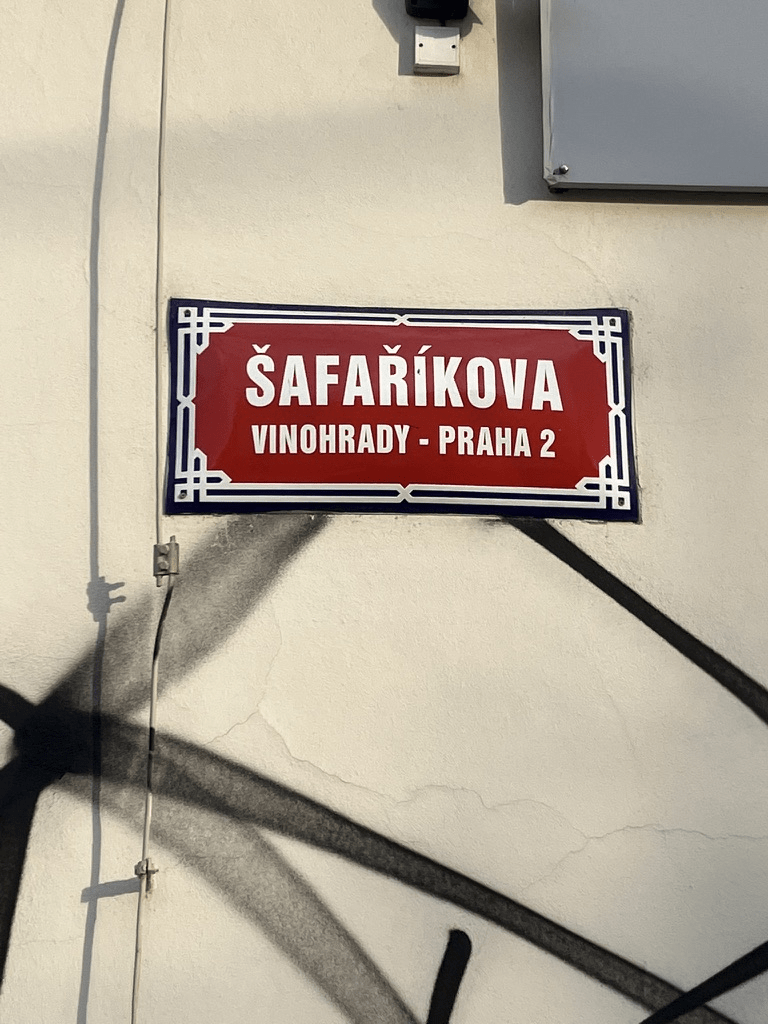
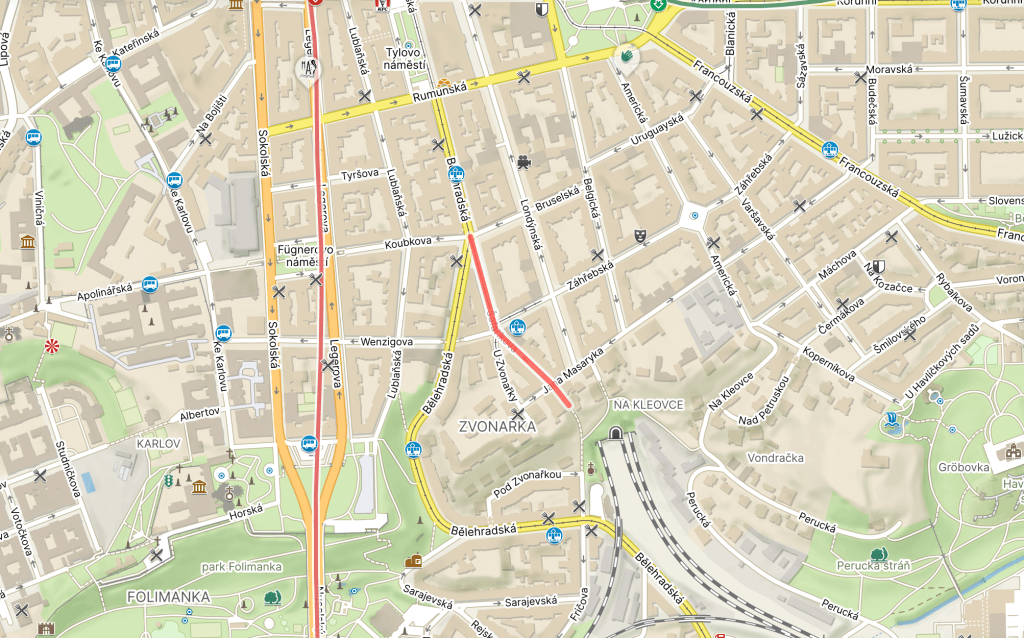
Pavol Jozef Šafárik was born in Kobeliarovo, near Košice, in 1795. The dramatic landscapes and Slovak folk culture here would impact him significantly.
By the age of eight, he had allegedly read the entire Bible twice. He then went to school in Rožňava and Dobšiná, mastering German, Hungarian and Latin in addition to his native Slovak.
Arriving in Kežmarok in 1810, he studied politics, philosophy and theology, and also, in 1814, published his first collection of poems. His graduation enabled him to study at the University of Jena, starting in 1815.
Just as importantly, it was in Kežmarok that he made friends with Polish, Serbian and Ukrainian students, which deepened his love for all things Slavic.
Leaving Jena prematurely in 1817, he went to Prague and, through literary circles, got to know Josef Dobrovský, Josef Jungmann and Václav Hanka. Returning to Slovakia, he also befriended not only Ján Kollár, the main ideologist of Pan-Slavism, but also František Palacký.
Finally gaining his doctor’s degree, he became headmaster of a gymnasium in Novi Sad, Serbia. He stayed there from 1819 to 1833, although he was fired from the school by the Habsburgs in 1824 on account of his Protestant faith.
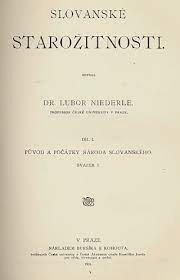
He moved to Prague in 1833, and became editor of Světozor; financial constraints meant he also took a job as a censor. It was in Prague that he published his most famous work, Slovanské starožitnosti (Slavic Antiquities).
From 1841, he was also in charge of the Prague University Library; however, his participation in the Slavic Congress in Prague in 1848 made him a figure of suspicion to the Habsburg authorities.
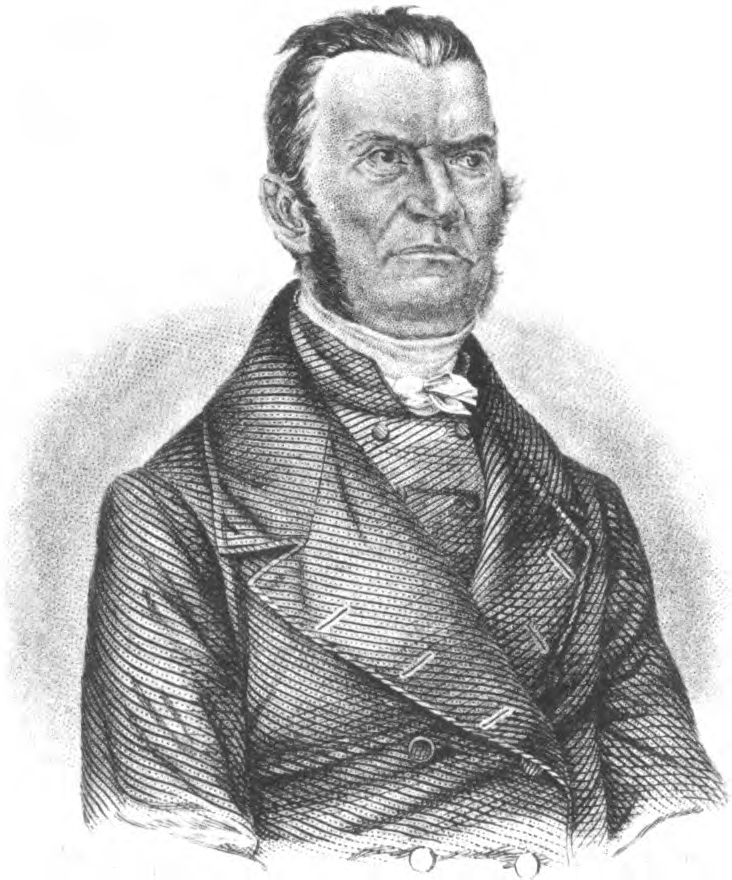
Fear of persecution contributed to a deterioration in his mental state in the following decade; he burned much of his correspondence with his friends, and even jumped into the Vltava in 1860. Although he was rescued, he died a year later.
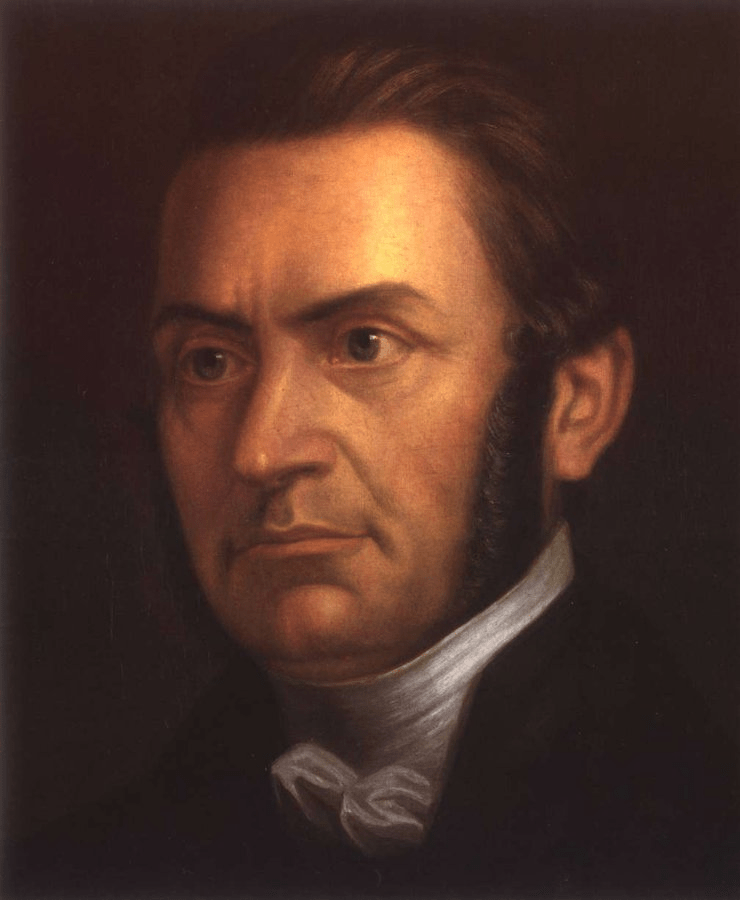
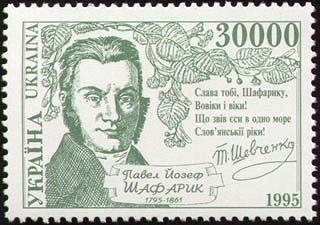
A university in Košice is named after him, and there are streets bearing his name in both Belgrade and Novi Sad. Tornaľa, near Banská Bystrica, was named Šafárikovo from 1948 to 1992. He’s also featured on this Ukrainian stamp from 1995.
From 1940 to 1945, the street was called Höflerova, after Karel Adolf Konstantin von Höfler (1811-97), a German nationalist historian who taught at Charles-Ferdinand University.

 What's in a Prague street name
Leave a comment