Originally published on X on 9 February 2023.
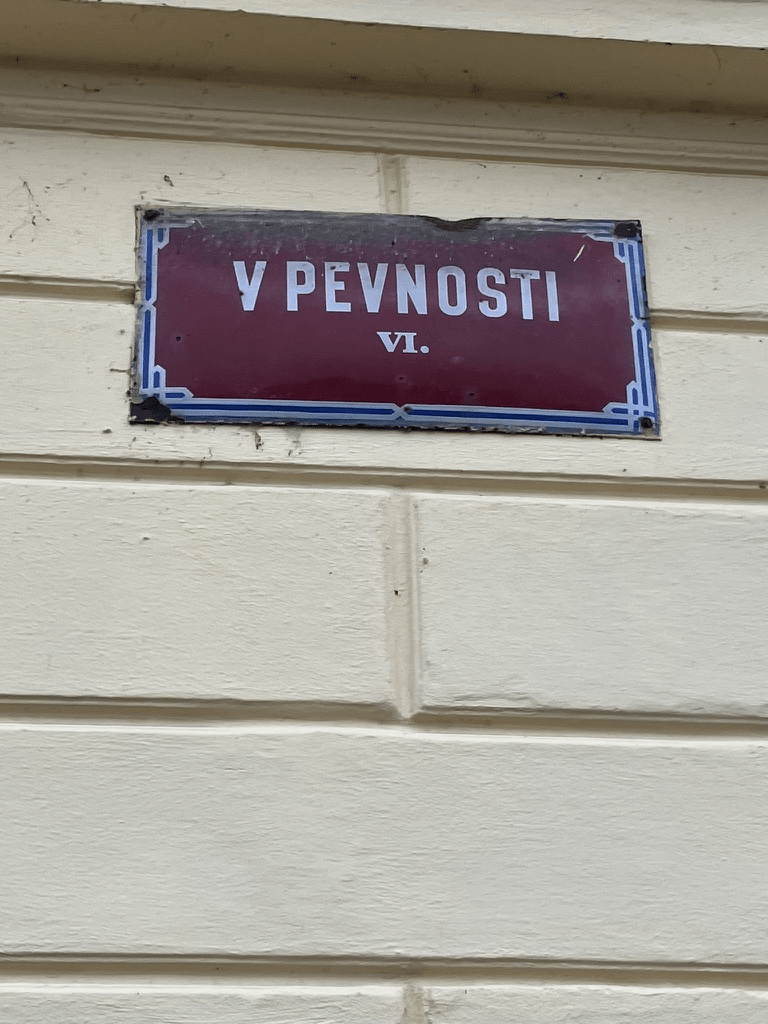
V Pevnosti was named in 1900 but presumably built some time before then. Its name translates as ‘In the fortress’.

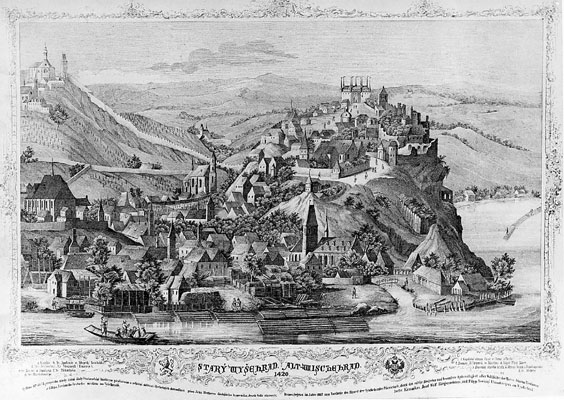
Czech monarchs lived at Vyšehrad until 1140, when their residence moved back to Prague Castle. It wasn’t until 1348, and the rule of Charles IV, that Vyšehrad started to get close to its former importance.
Charles had Vyšehrad connected to the city walls of Prague, which were then being built, ordered the reconstruction of the fortifications, and had a royal palace built.
He also ruled that, when new kings were being crowned, the first part of the ceremony would take place here, the night before the actual coronation.
Vyšehrad was inevitably screwed over by the Hussites in 1420, and then became a small town inhabited by craftsmen.
It wasn’t until the Thirty Years’ War that Vyšehrad’s fortifications were strengthened. In 1653, five years after the war ended, construction of a proper fortress began. Both the design and its actual construction were largely carried out by Italians.

One consequence of this was that the town of Vyšehrad was destroyed. The fortress itself was a pentagon (not all sides were of equal length), with six bastions, originally named after saints but later numbered 33 to 38.
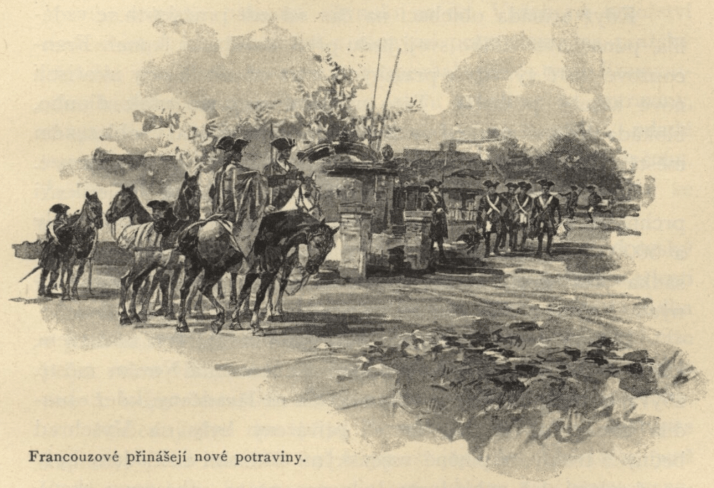
For all the work that took place on the fortress, it never ended up being used in active combat. It was occupied by the French (1741-2) and by the Prussians (1744), but fighting never occurred and Prussian attempts to destroy the fortress were thwarted by locals.
By 1866 – the year in which the Austrians lost to the Prussians at the Battle of Sadová – it became accepted that city fortresses were no longer that useful or relevant.
The walls were gradually dismantled starting in 1875, and, in 1911, the fortress buildings became the property of the City of Prague. Vyšehrad itself had become part of Prague in 1883.
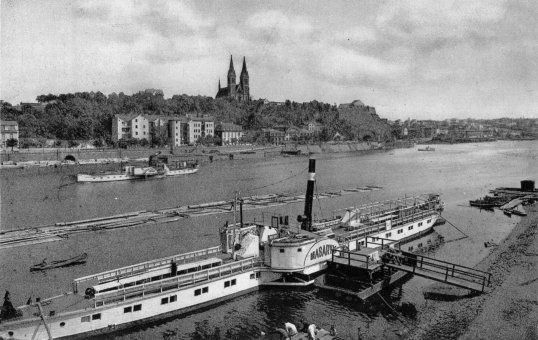
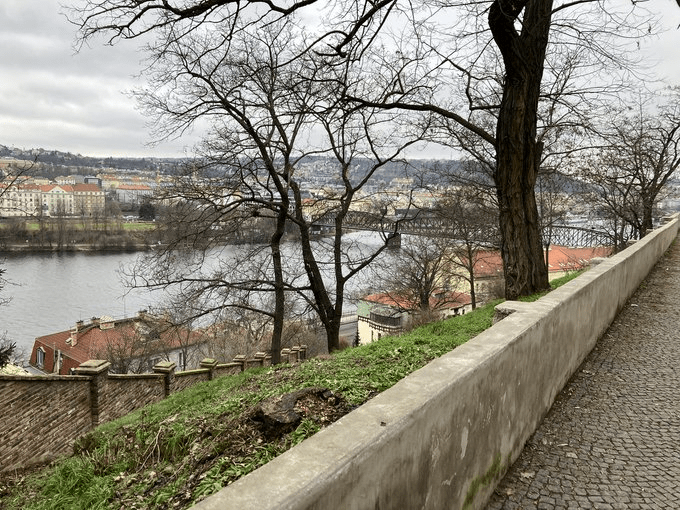
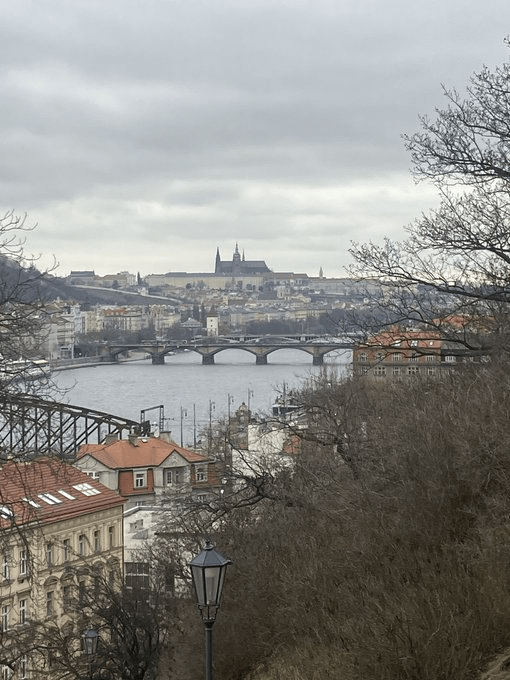
Views from Vyšehrad continue to be just hideous.


 What's in a Prague street name
Leave a comment