Originally published on X on 11 February 2023.
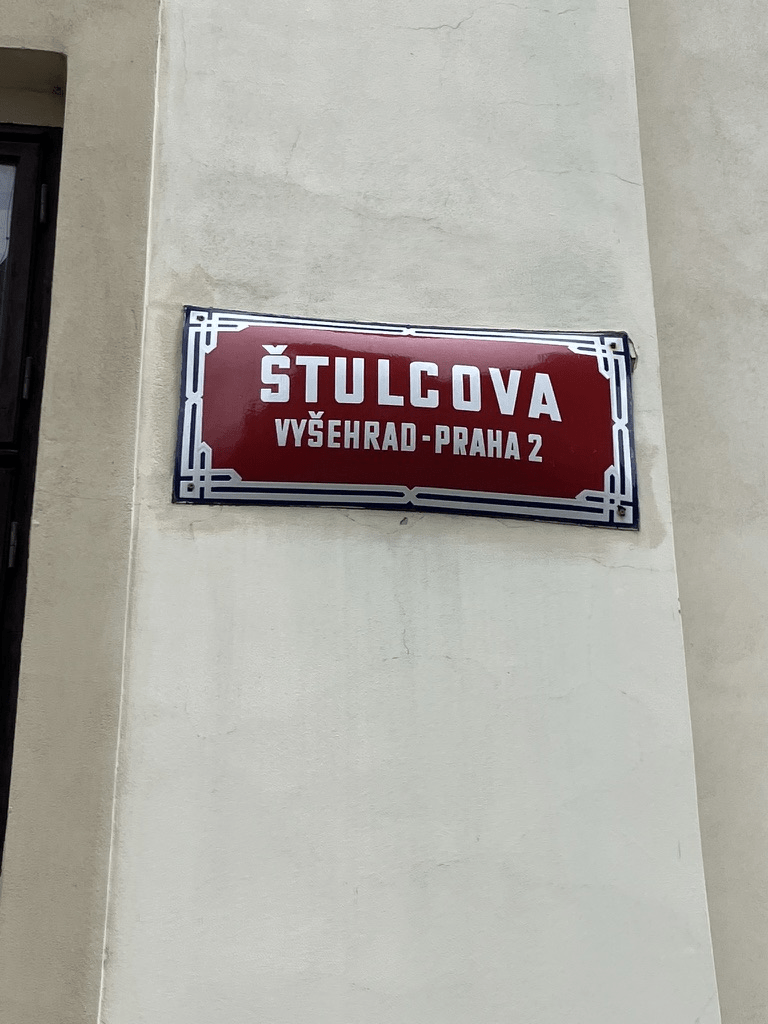
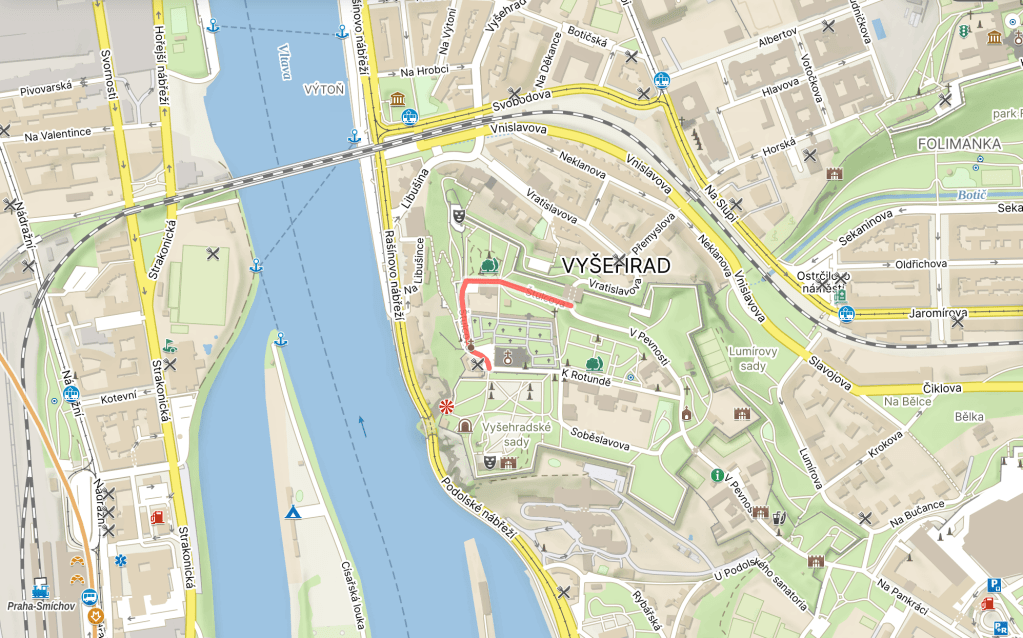
Until 1888, this street was known as Na hřbitově, as it led to the Vyšehrad Cemetery. Then, from 1961 to 1995, it was part of K rotundě (https://whatsinapraguestreetname.com/2024/08/24/prague-2-day-94-k-rotunde/). The rest of the time, it’s been Štulcova.
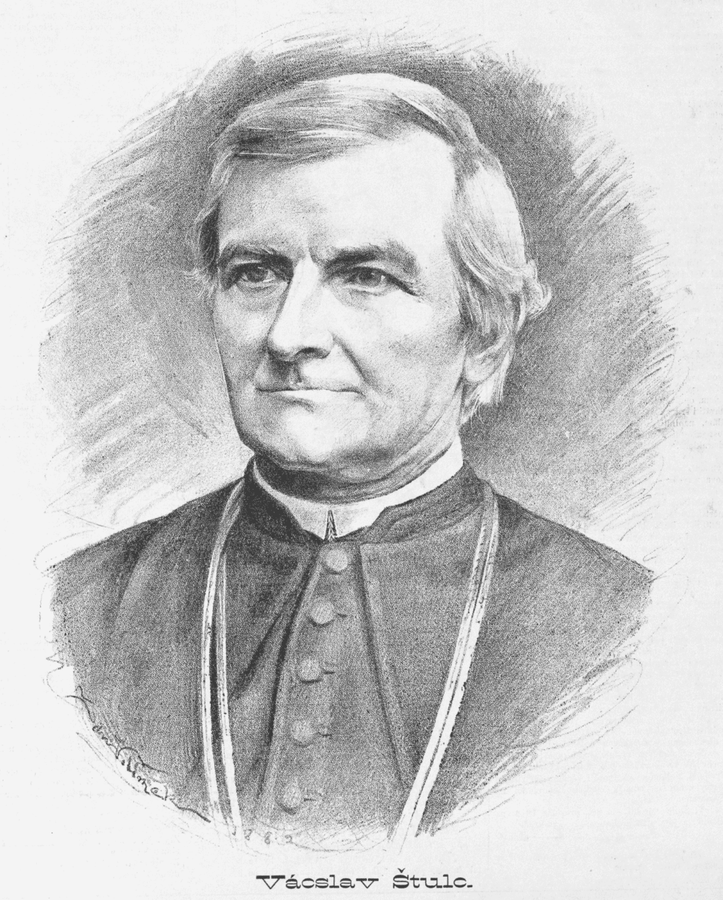
Václav Štulc was born in Kladno in 1814. After studying theology in Prague (1835 to 1839), he was ordained as a priest.
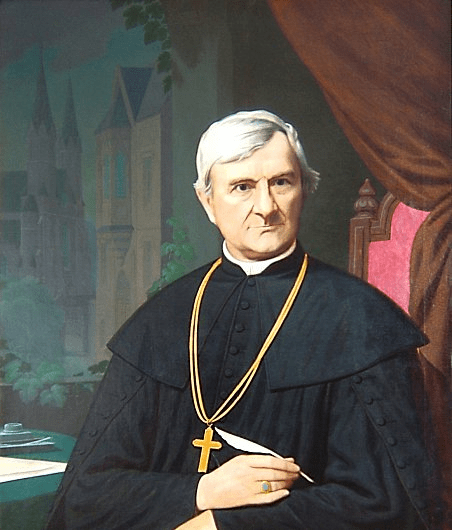
(painter unknown)
As well as his duties as a priest, he wrote poetry and contributed to various magazines (while also becoming editor of others). He also made financial contributions to the National Museum, which had been founded in 1818.
In 1860, he became dean of Vyšehrad. He was vocal about the extent to which the once-great area had disintegrated; the Habsburgs responded to this by giving him a two-month prison sentence in 1863.
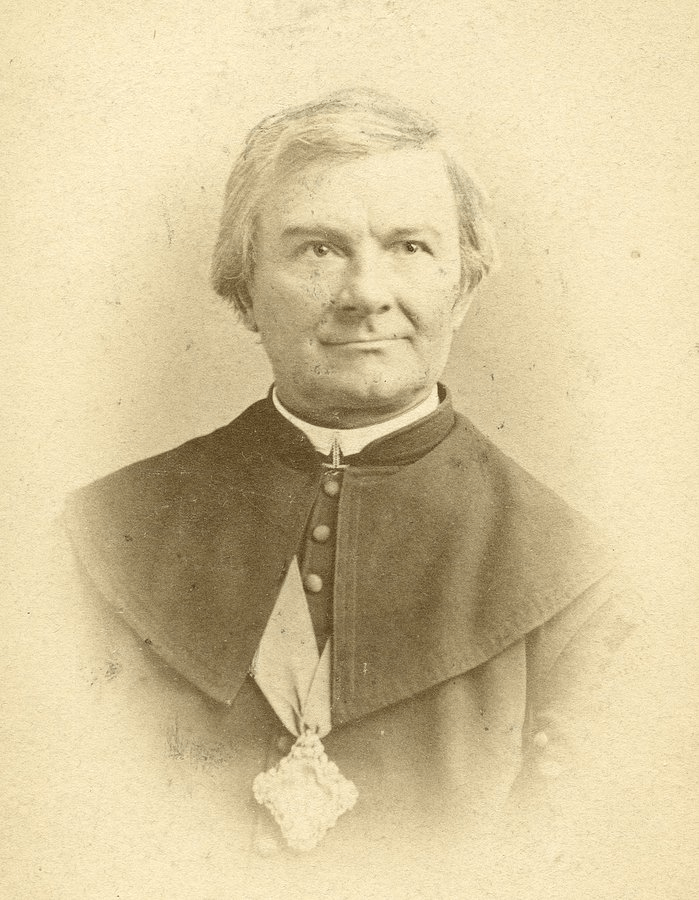
Becoming provost in 1871, he set about Making Vyšehrad Great Again. MVGA involved creating a new residence for the provost (on this street) and the creation of a park (now known as Štulcovy sady).
He also installed the original (and formerly Václavák-based statue of) St Wenceslas on his horse in the park (don’t get too excited, though – the statue you see there now is a copy from 1950).
Perhaps most significantly, he helped turn the cemetery at Vyšehrad into a burial ground for many of the icons of Czech history and culture. Štulc died in 1887 and, fittingly, is also buried there.
Finally, since 1910, Štulcovy sady has also hosted a statue of the man himself (https://en.mapy.cz/zakladni?source=base&id=1720598&gallery=1&x=14.4172279&y=50.0656337&z=17).

 What's in a Prague street name
Leave a comment