Originally published on 17 February 2023.
Neklanova was built around 1885.
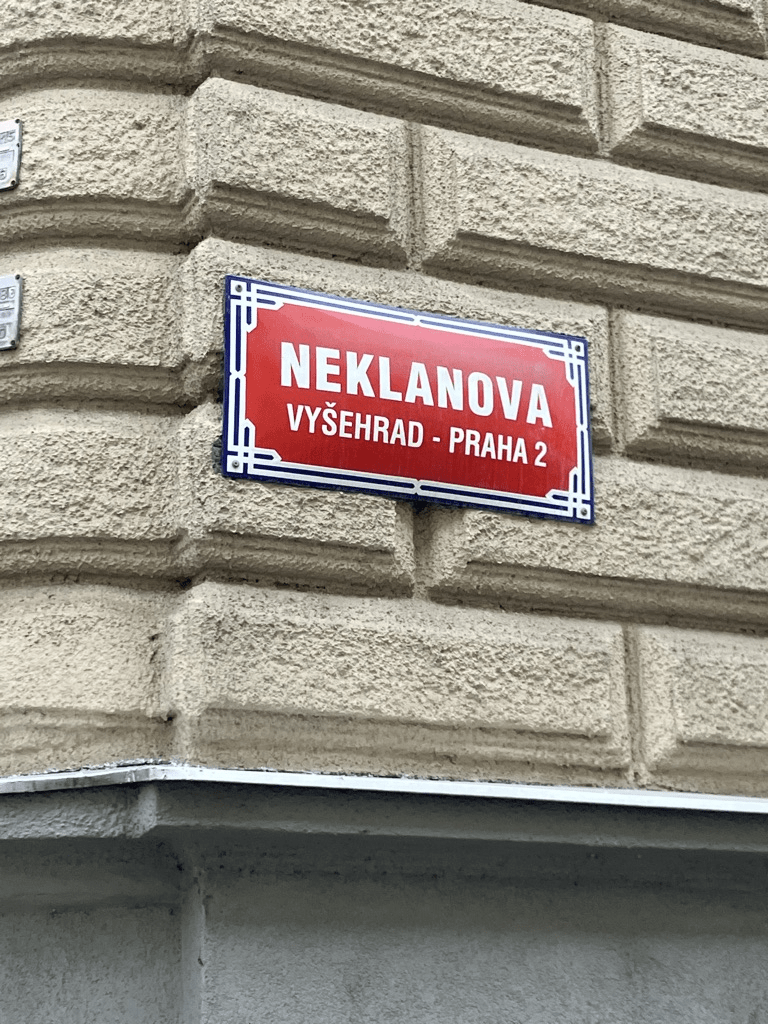

We’re still on the post-Přemysl, pre-Bořivoj mythical princes. Neklan was number six, and was the father of number seven, Hostivít.
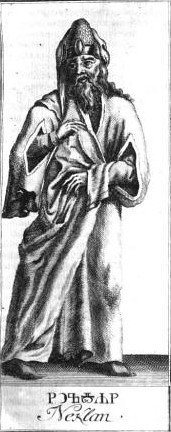
Again, there are theories as to where his name came from. One is that, due to his love of peace*, Neklan did ‘not tilt’ (thrust weapons).
* Apologies for the televised presidential debate flashback, I know it’s been too soon.
Another is based on the same day-of-week theory as the other princes – Neklan would have been Friday, though the link between Friday and his name isn’t obvious.
Although there’s potential for a really bad joke about ‘pátek’ and not wanting to invoke Article 5, isn’t there.
According to Kosmas, Neklan hated war so much that he sent a double, Tyro-Čestmír, to fight for him (hello Patroclus, hello Achilles).
Neklan also adopted the son of a slain prince, Vlastislav, and entrusted his care to a friend, Durynk, who then killed the child in the apparent belief that Neklan would be grateful for this.
When Durynk went to get his reward for Neklan, Neklan decided that the reward would be that Durynk would get to choose the method of his own death (and then damn well bugger off and die at once).
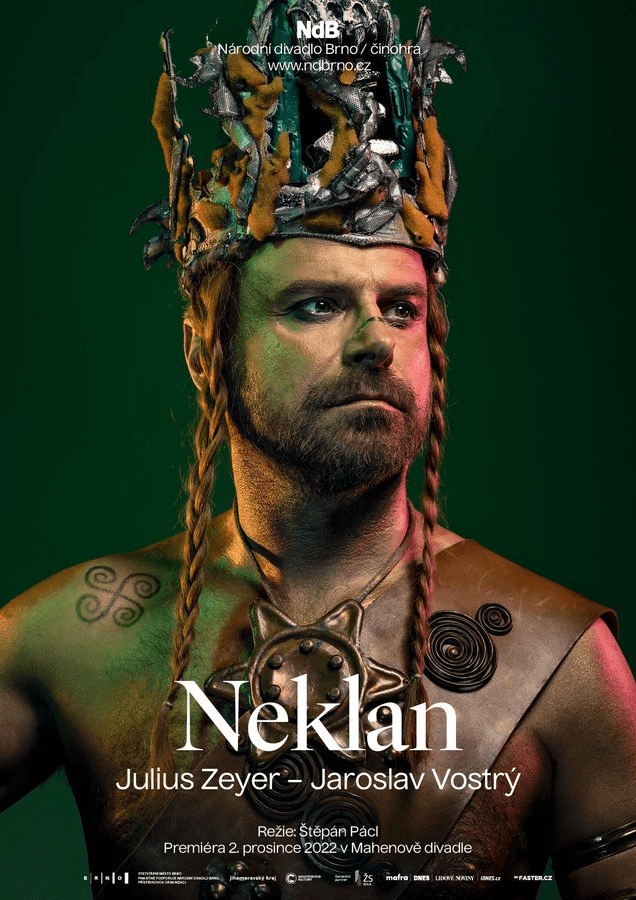
Neklan is probably the only one of the seven mythical princes to be the inspiration for a play of the same name, written by Julius Zeyer in 1892 and premiered at the National Theatre four years later.
Stop press: this seems to be the last Mythical Prince Street in Prague 2, so it’s worth mentioning the other theory about where they got their names.
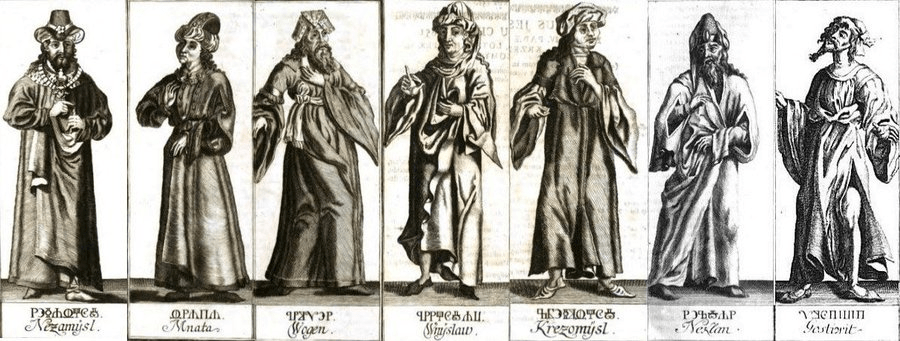
Musicologist and folklorist Vladimír Karbusický (1925-2002) claimed the names came from a fragment of a 9th-century text sent by the Czechs to the Franks: Krok’ kazi (Tetha), lubo premyšl, nezamyšl m’nata voj’n u‘ni zla, kr’z my s‘ neklan (am), gosti vit.
Which translates as something like: ‘Stop your steps, Tetha, and, rather, think, I do not intend war or evil for you, we do not bow to the cross, we welcome guests.’
In that text, you might recognise Nezamysl (1), Vnislav (4), Neklan (6) and Hostivít (7), as well as Mnata (2), Vojen (3) and Křesomysl (5).

 What's in a Prague street name
Leave a comment