Originally published on X on 28 February 2023.
Boženy Němcové was built in 1896.
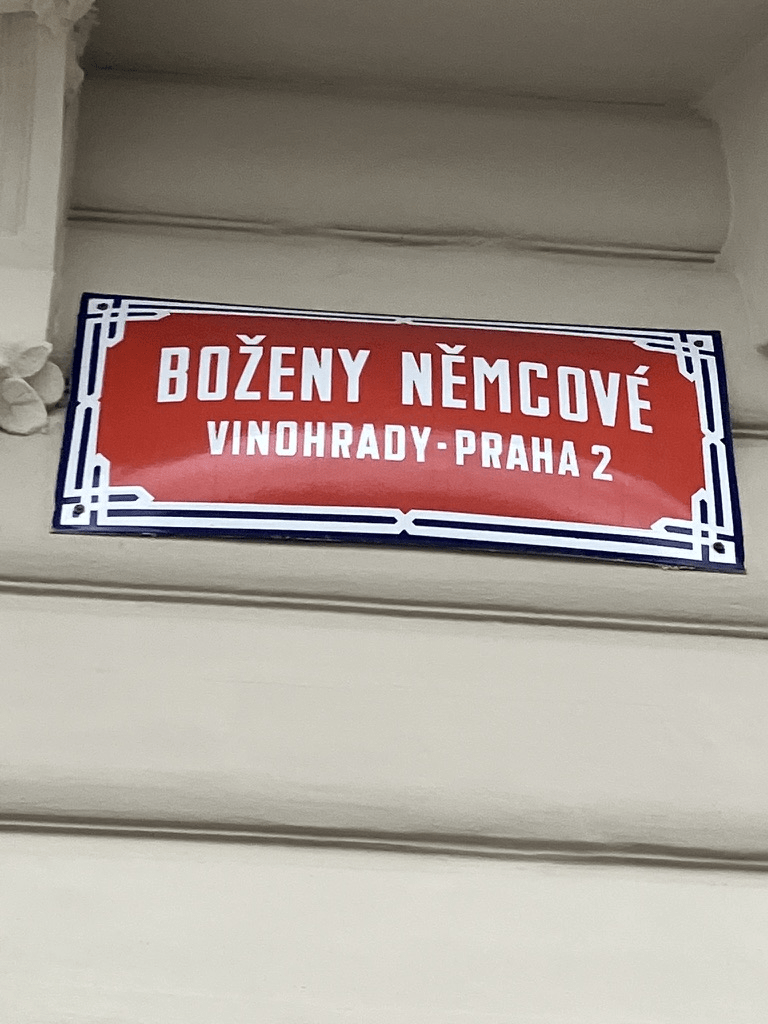
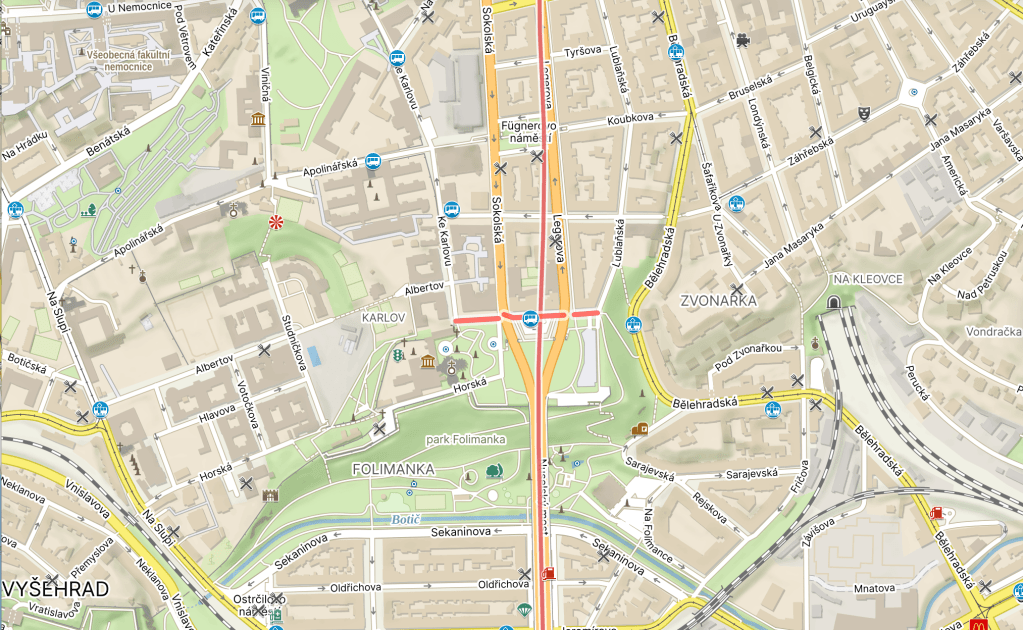
The most common story is that Božena Němcová was born as Barbara Nowotny in Vienna in 1820, to an unmarried mother called Theresia Nowotná.
When Barbara was a few months old, Theresia married an Austrian coachman, Johann Pankl, in Malá Skalice. It’s highly possible that Johann was Barbara’s father, but, again, we don’t know for certain.
The family moved to an estate at Ratibořice, where Johann worked as a porter, and Theresia worked as a laundress; Theresia’s mother (Barbara’s grandmother), Marie Magdalena Novotná, also moved in for a while. She’d be… something of an influence.
Barbara started school in 1824 – a strong argument that she actually wasn’t born as late as 1820 (1816 and 1818 have been suggested). When she was 17, her parents forced her into an arranged marriage to Josef Němec, a customs officer who was fifteen years her senior.
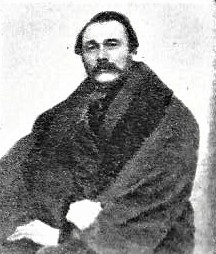
They had four children, but the marriage wasn’t the happiest – the family kept having to move because Němec was a Czech patriot, and loud about it, so his employer kept transferring him to keep him out of trouble.
In 1840, Barbara befriended a doctor, Josef Čejka, who introduced her to Czech writers.
When the family moved to Prague in 1842, Němcová improved her Czech (she had mainly been educated in German), adopted a seriously Czech first name, and started to write poetry of her own.
She also wrote fairytales, including Tři oříšky pro Popelku (Three Little Nuts for Cinderella), which got made into a Czechoslovak-East German film in 1973.
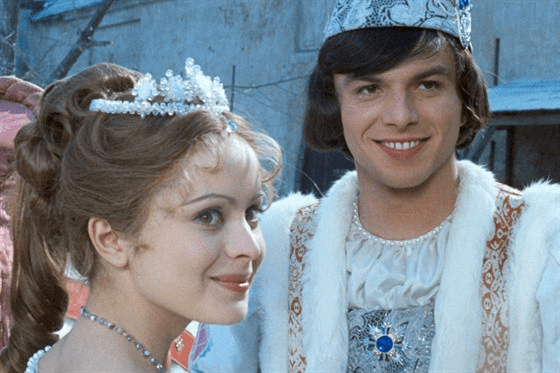
Even Krampus, Mariah Carey, Love Actually and that uncle you don’t talk to for the rest of the year would be jealous of how integral a part of many people’s Christmas that film still is.
It’s also likely that, around this time, she started a love affair with fellow poet Václav Bolemír Nebeský, and became seriously ill when he left to go to Vienna.
The Němec family would continue to be shifted around, and, in 1850, Josef went to Hungary. Rather than join him, Barbara and the children (pictured) returned to Prague.
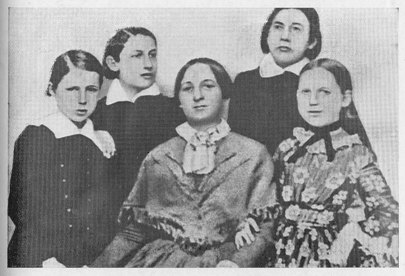
Life took a turn for the worse around 1853 – Josef lost his job, and their eldest son Hynek died of tuberculosis.
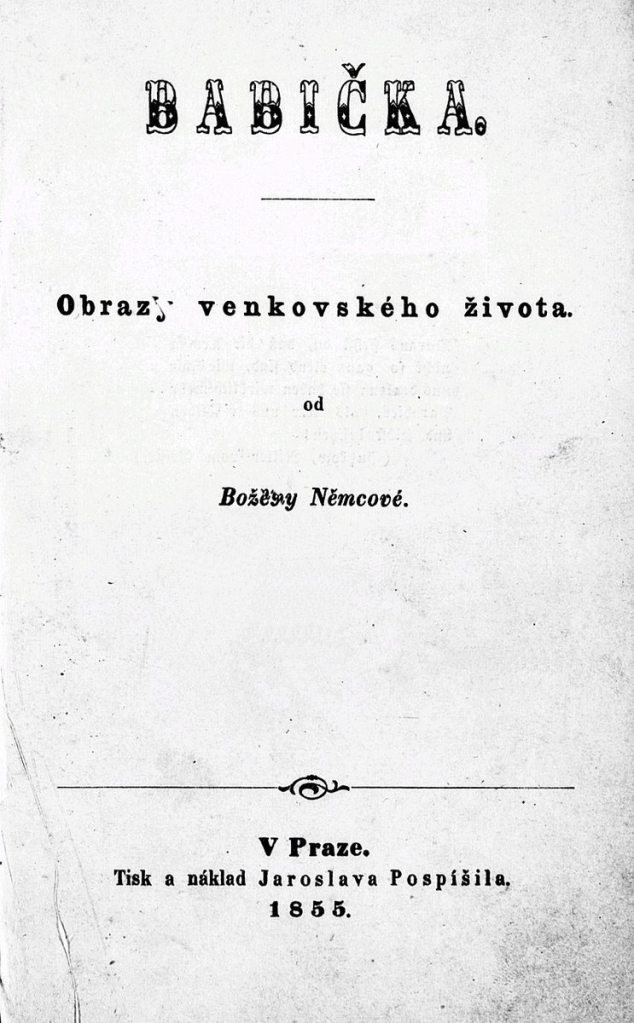
In 1855, Barbora, living on Ječná and Vinohradská, wrote her most famous work, Babička (Grandmother).
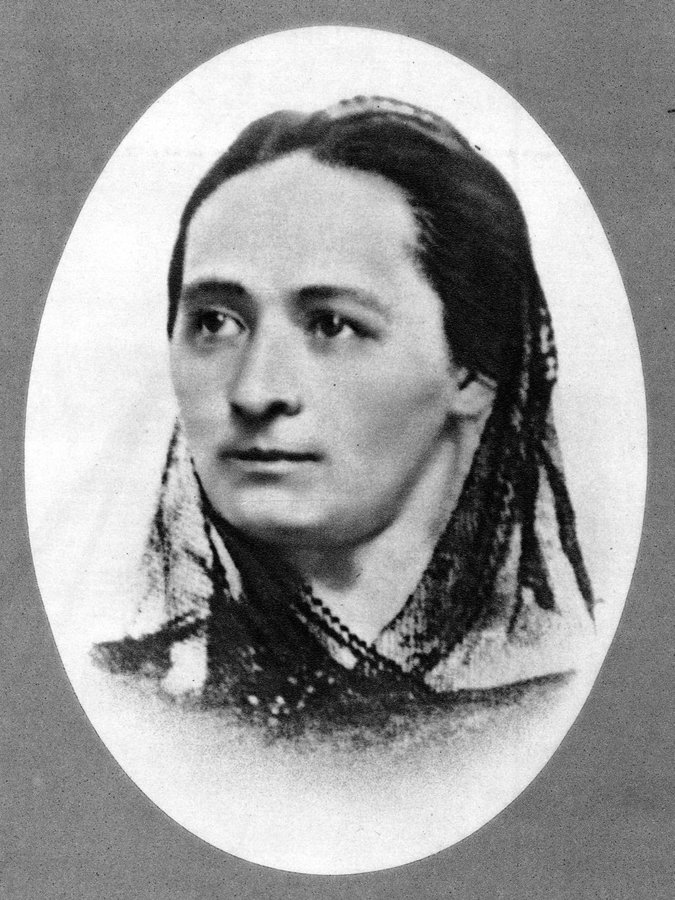
It presents an idealised version of Němcová’s own childhood. When you consider what her personal life was like at this time, you start to understand what this escapism must have meant to her.
She became reclusive, but did make a highly publicised appearance at the funeral of Karel Havlíček Borovský (https://whatsinapraguestreetname.com/2022/12/26/prague-3-day-122-havlickovo-namesti/) in 1856.
The next few years were dominated by an increasingly toxic, on-again, off-again relationship between Barbora and Josef, compounded by their abject poverty.
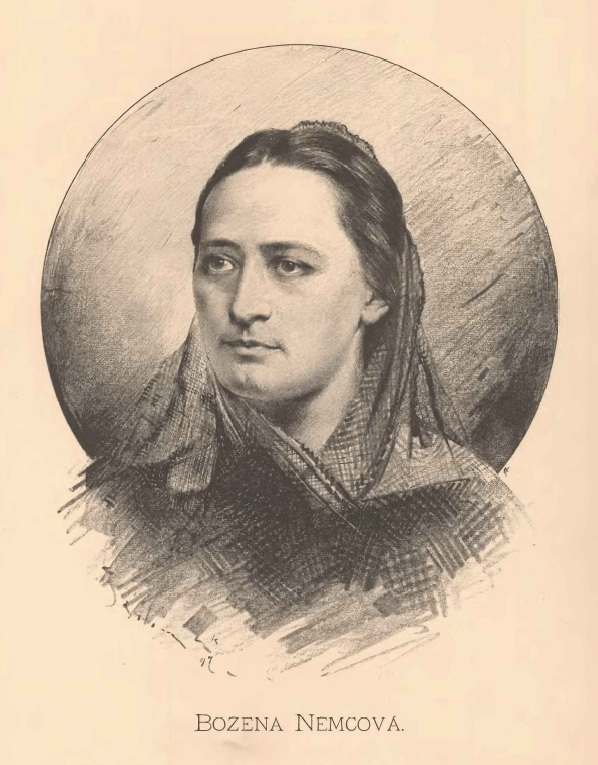
On the more positive side, Němcová did perform trips to Slovakia to collect fairytales, at a time when most people were dismissive of the concept of Slovak as a separate language.
Němcová died of a serious illness in 1862, aged 41, and is buried at Vyšehrad. Her funeral was well-attended by public figures – but one wishes they had helped her out more when she was alive and struggling to make ends meet.
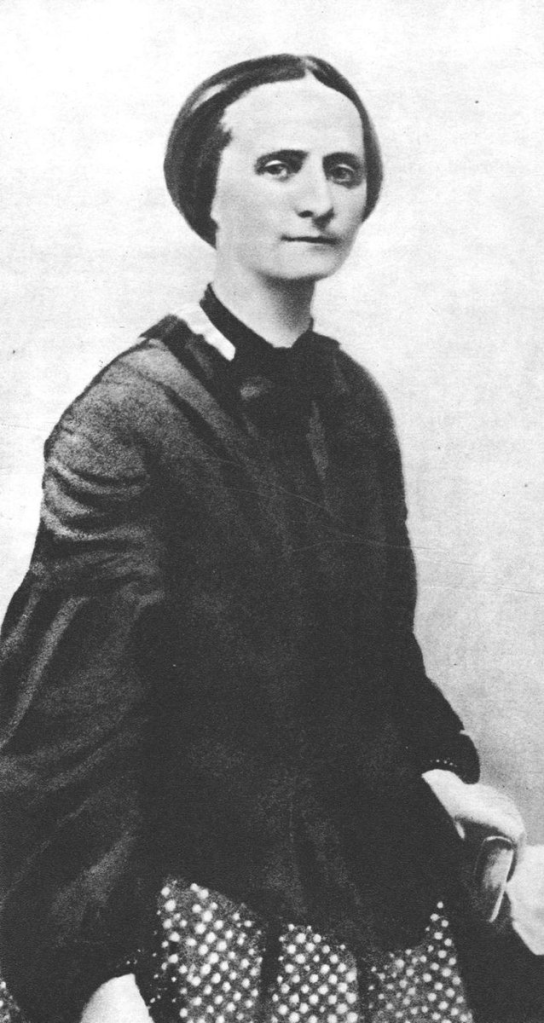
Němcová was celebrated by artists and researchers throughout the 20th century, especially by the communists, who saw her as a forerunner of socialist ideas.
Unlike many people feted by the Communists, however, Němcová continued to be acclaimed after 1989. Nowadays, Babička is still compulsory reading in Czech schools, and is the most frequently read Czech book.
This is a pretty long thread already without going into the other theories about Němcová’s origins – feel free to add your own thoughts.
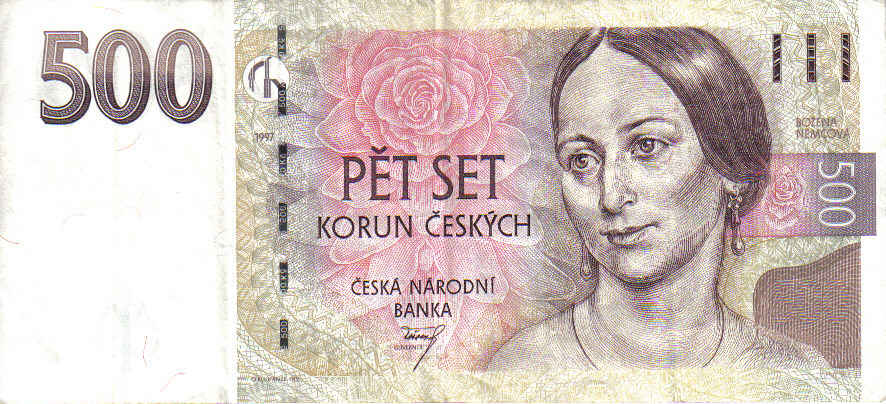
In the meantime, there’s a good chance that you’ve seen her in the last week without realising it.

 What's in a Prague street name
Leave a comment