Originally published on X on 3 March 2023.
We don’t know exactly Apolinářská was built, but it could date back as far as the early 1300s.
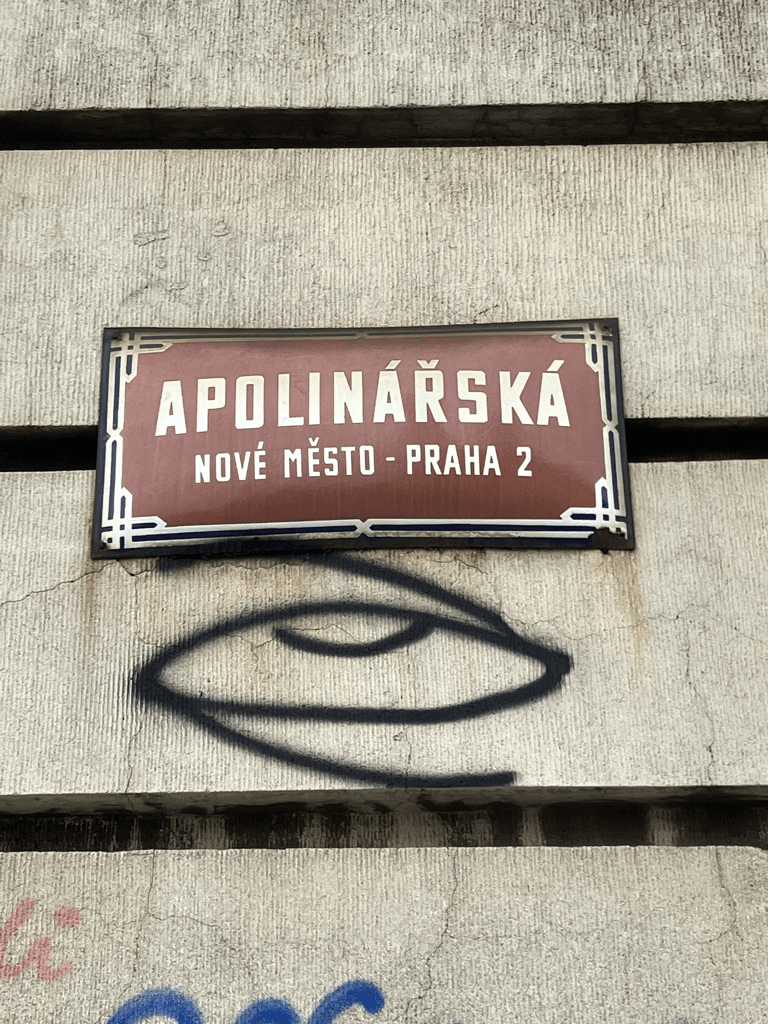

Until about 1860, the street was known as Věterná hora, Větrov nebo Na Větrově, after the local hill, Větrov, so called because it was known for getting pretty windy here.
Apolinář is Saint Apollinaris of Ravenna, patron saint of Emilia-Romagna, Aachen, Düsseldorf, Ravenna (obvs), as well as epilepsy and gout.

In 1348, Větrov was annexed to Karlov and therefore became part of Prague’s New Town.
In 1362, Karel IV founded a church dedicated to Apollinaris here. Construction, based on the design of the 6th-century Basilica of Sant’Apollinare Nuovo in Ravenna, was completed by 1390.
There was also a school next to the church – this is the place where Václav IV spent the last full day of his life in 1419 (he would die while hunting in the woods in Kunratice the next day).
The church’s chapter left in 1420, apart from one member, who was a Hussite – and this was presumably the one thing that stopped the Hussites from destroying the church. It was used by the Utraquists until 1503.
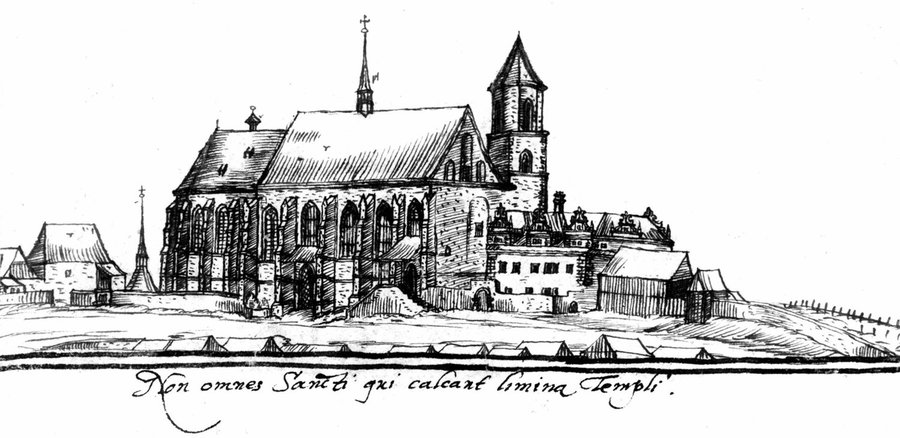
After suffering considerable damage in a gale in 1670, the church was repaired in baroque style the following year.
It suffered yet again in 1757, when the Prussians occupied it and set up an armoury here. By 1768, the church had not only been repaired, but also gained a new organ with a sculpture of St Wenceslas.
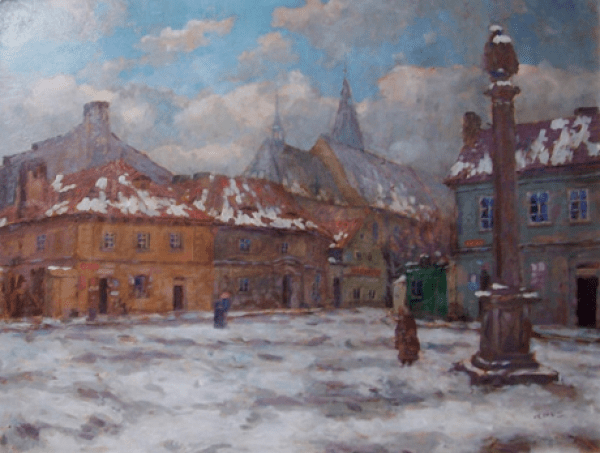
Since 1784, it has been a parish church; in 1785, it gained its altar, which was transported from its previous location, the Monastery of Augustinian Canons, whose closure had been ordered by Josef II (https://whatsinapraguestreetname.com/2024/08/21/prague-2-day-85-pod-karlovem/).

In 1789, a public maternity hospital was opened in the former canon house; women could give birth here in anonymity, and also leave their babies here if they were unable to raise them themselves.

The hospital would function until 1867, when U Apolináře – also on this street – took its place: https://apolinar.eu/en/
Apolinářská is also the former home of Jedová chýše (‘Poison Hut’), a pub which existed all the way from the Middle Ages until 1933.
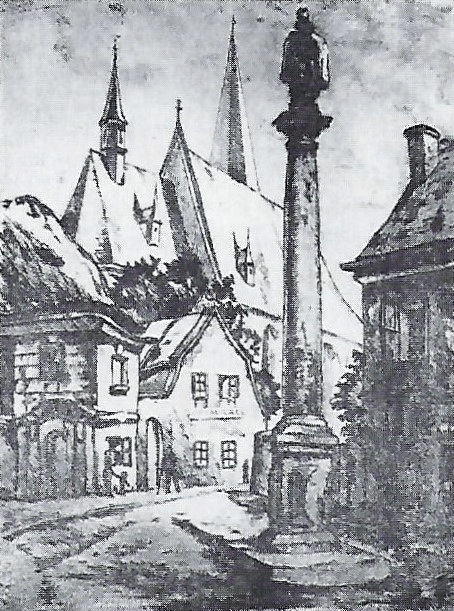
Legend has it that Václav IV would pop in here, in disguise, for a drink or twenty, and once recognised two men who had tried to poison him in Vienna.
Václav just happened to be accompanied by an executioner, who just happened to have poison on him, and put this into both the guys’ wine. They died. And the pub got its name.
Somehow, the fact that they were drinking wine seems like the most far-fetched part of this story.

In the 19th century, the pub became a favourite with the Germans of Prague, with their ‘drunken raids and mischief coupled with wild orgies’.

The pub was a filming location in the 1926 film version of The Good Soldier Švejk. Sadly, only part of the film survives and I couldn’t find any pub scenes when I searched just now.

 What's in a Prague street name
Leave a comment