Originally published on X on 14 March 2023.
Ladova was built in 1925.
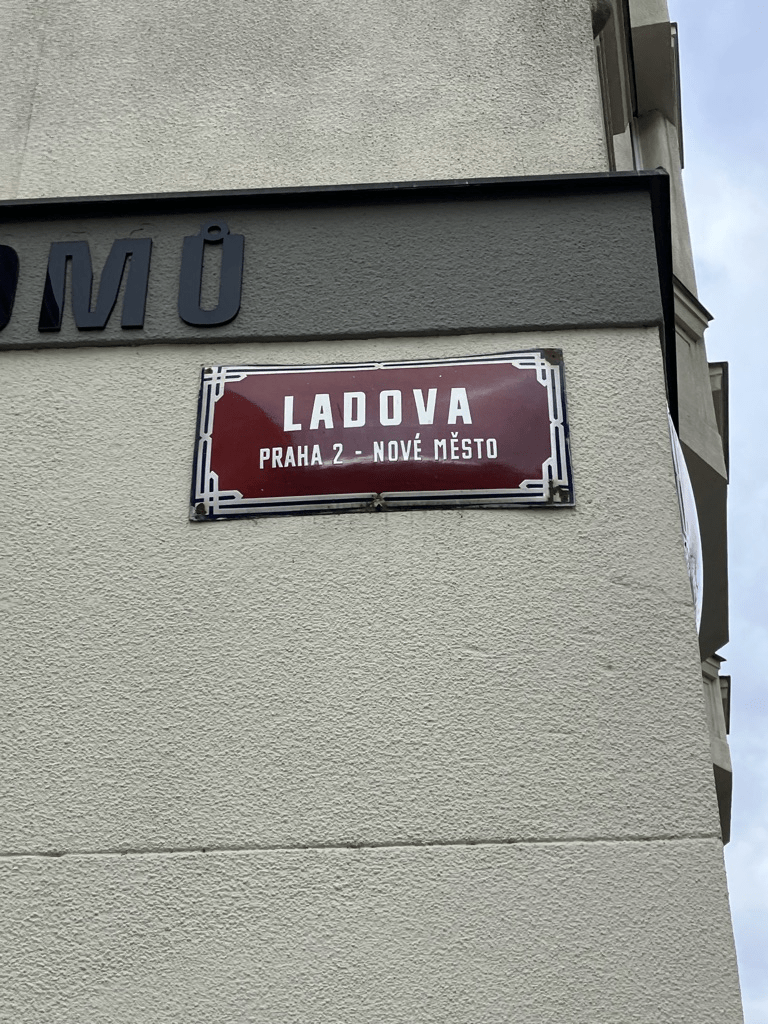

Until 1961, this was ‘V Ohradách’, ‘In the Enclosures’ (approx). Until the 19th century, there were warehouses here where firewood and wood for construction purposes were stored.
Josef Lada was born in Hrusice (nowadays in Prague-East) in 1887. An accident at the age of six months left him blind in one eye.
Discovering his talent for drawing as soon as he started school, by the age of 14 he was already studying in Prague. Before he was out of his teens, his humorous drawings and cartoons had been published in several newspapers.
In 1906, Lada got into the Academy of Arts, Architecture and Design in Prague (VŠUP), and, in 1909, he founded his own magazine, Karikatury.
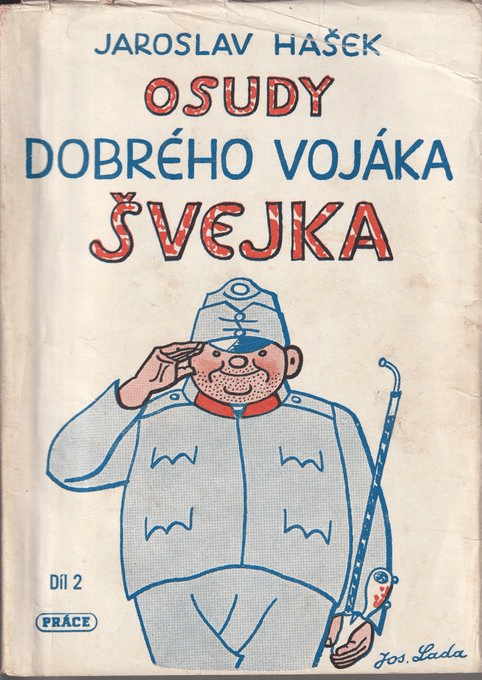
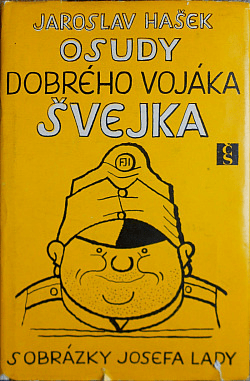
After World War II, a writer called Jaroslav Hašek asked Lada if he could provide some illustrations for his short stories, which were about to be published in book form.
The name of the collection was The Good Soldier Švejk. You’ll recognise him.


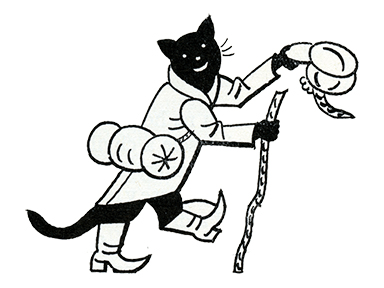
In the 1920s, Lada started writing his own books, the most famous of which were about Mikeš, a black cat who could talk.
Relatedly-ish, when I was 15, my parents got a black cat, Daphne, who would talk (well, miaow) every time I spoke to her. We had some great conversations in her 17 years and 11 months on the planet, and she was the best goddamn animal that ever lived.

During the 1920s and 1930s, Lada’s work was also presented at major exhibitions in Prague, and he was commissioned to design the stage for a production of Strakonický dudák by Tyl (https://whatsinapraguestreetname.com/2024/07/01/prague-2-day-53-tylovo-namesti/) at the National Theatre.
Lada largely went into seclusion when WWII started; after the war, his work became increasingly melancholic, which isn’t surprising when you consider that his daughter, Eva, died in an aerial bombardment near Emmaus Monastery in 1945, aged 16, and his wife died in 1951.
However, he continued to draw for children’s books and also took part in the creation of animated films, such as 1955’s Čert a Káča (based on a work by Božena Němcová).
An exhibition was prepared to celebrate Lada’s 70th birthday – but he died three days before that milestone, in December 1957.
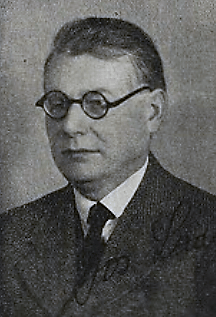
Three decades of his life had been spent living on this very street at number 2045/1; the renaming of the street was suggested by his own daughter, Alena (1925-1992).

 What's in a Prague street name
Leave a comment