Originally published on X on 15 March 2023.
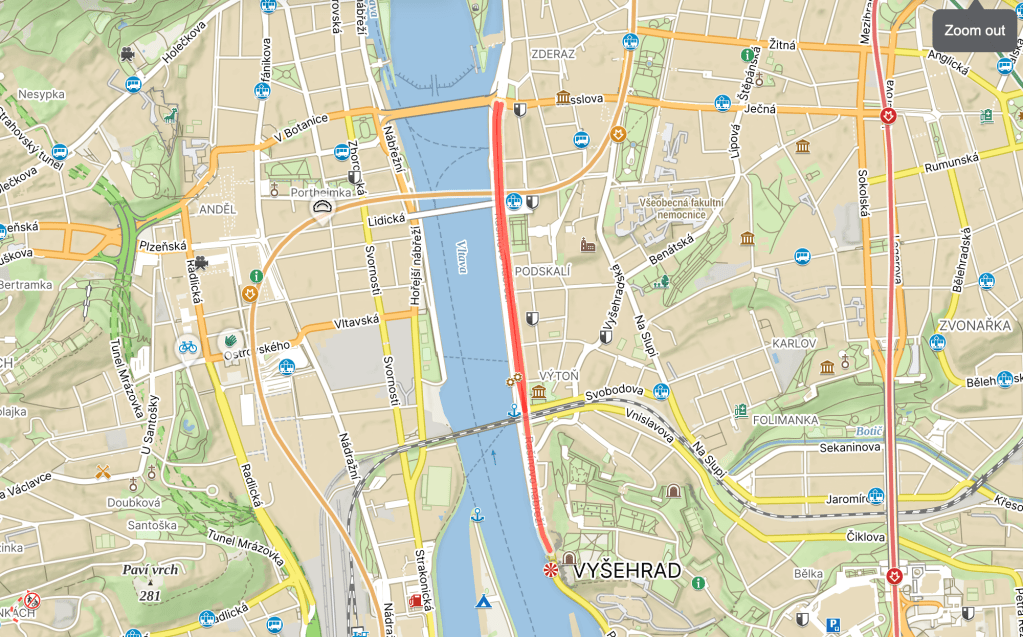
This embankment was formed in 1951 from the joining of two separate streets (see later for details of the multiple name changes).
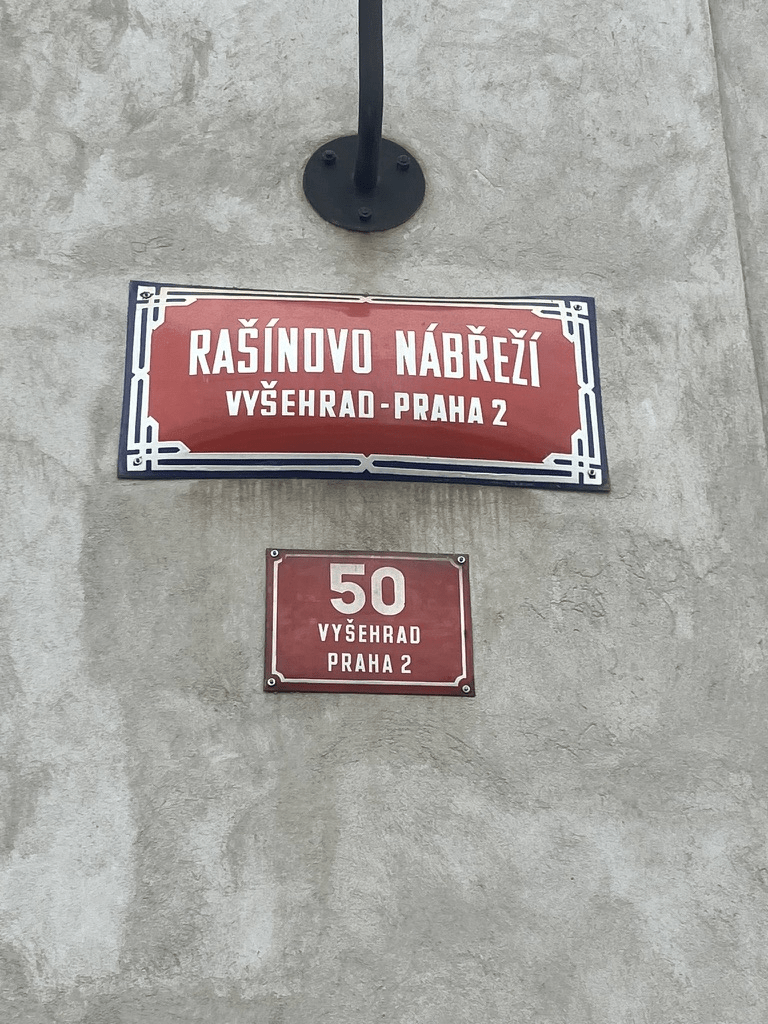
Alois Rašín was born in Nechanice, near Hradec Králové, in 1867. He went to Prague to study medicine at Charles University, but then switched to law.
After graduating in 1891, he became increasingly involved in the Young Czech Party, so much so that he was sentenced to two years’ imprisonment in the Omladina Trial of 1894, and lost his academic titles.
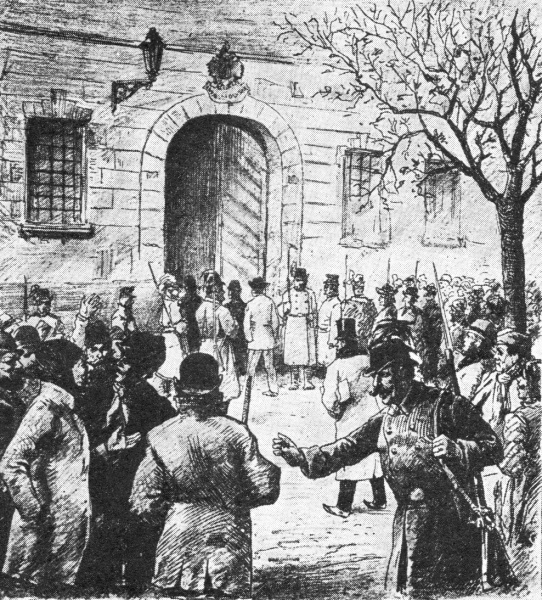
He was released early in the following year, and got his titles back. He withdrew from active politics for a while, but rejoined the Young Czechs in 1907, entering the Imperial Council in 1911.

When World War 1 started, Rašín joined Maffia, a secret resistance group whose other founders included Edvard Beneš and Karel Kramář.
His activities led him to be sentenced to death in 1916, but this never happened as Charles I came to power and commuted his sentence to (harsh) imprisonment.
Amnestied in 1917, he became more politically active than ever.
On 28 November 1918, he was one of the five men who declared an independent Czechoslovakian state. He subsequently became the state’s first Minister of Finance, holding the position until 1919, when the Social Democrats and Agrarian Party came to power.
He would become Minister of Finance again in October 1922, but would come to be blamed for skyrocketing unemployment.
It was only there months later, on 5 January 1923, that Rašín was shot outside his apartment on Žitná by Josef Šoupal, a 19-year-old anarchist. He would die of his injuries on 18 February.
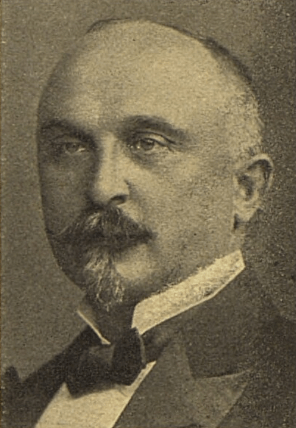
In the same year, a district of Rokycany was named after him (Rašínov). It is still called this today.
According to English Wikipedia: ‘One time when Germans demanded bigger autonomy, he stuck out his tongue and call them monkeys. Rašín lived ascetic life avoiding any dance or sport’. Well then.

As well as the banknote above, the Czech National Bank issued a quite snazzy commemorative note in his honour in 2019:
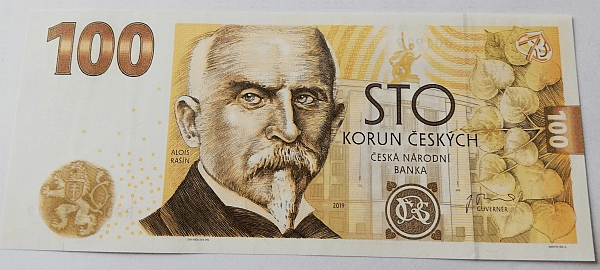
Oh, wait, there were those name changes I promised.
The northern part of the embankment started as Palackého nábřeží in 1875, switching to Vltavské nábřeží from 1940, and then becoming – urgh – Reinhard-Heydrich-Ufer from 1942 to 1945, then reverting to Palackého nábřeží.
The southern part, meanwhile, came into being as Vyšehradské nábřeží in 1905, before becoming Podskalské nábřeží in 1919, and then Rašínovo in 1924. From 1941 to 1945, it was Karl-Lažnovský-Ufer, after a pro-occupation journalist poisoned by the Resistance in 1941.
In 1951, the two parts were merged as Nábřeží Bedřícha Engelse (he of ‘Marx and’ / ‘oh, so Czechs don’t say Friedrich’ fame), before a reversion to Rašínovo in 1990.

 What's in a Prague street name
Leave a comment