Originally published on X on 23 March 2023.
Náměstí I. P. Pavlova was built in 1897; nowadays, it’s home to Prague’s busiest metro station.
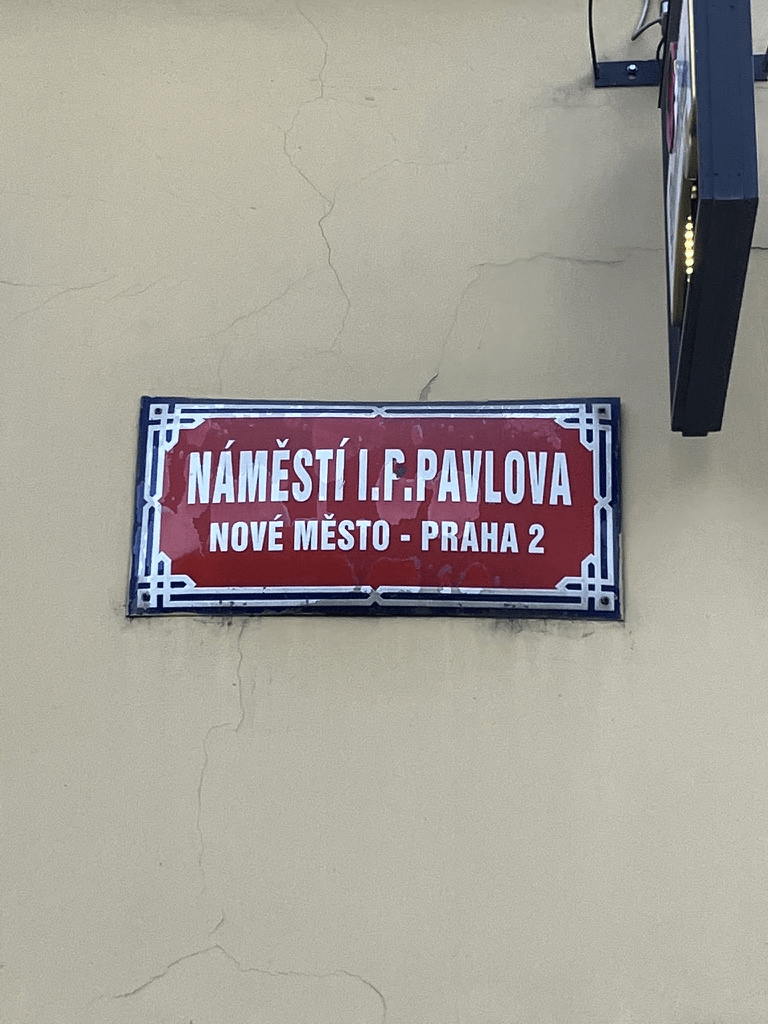

Until 1925, this was Komenského náměstí, and was presumably changed because there already was one in Žižkov: https://whatsinapraguestreetname.com/2022/11/26/prague-3-day-82-komenskeho-namesti/
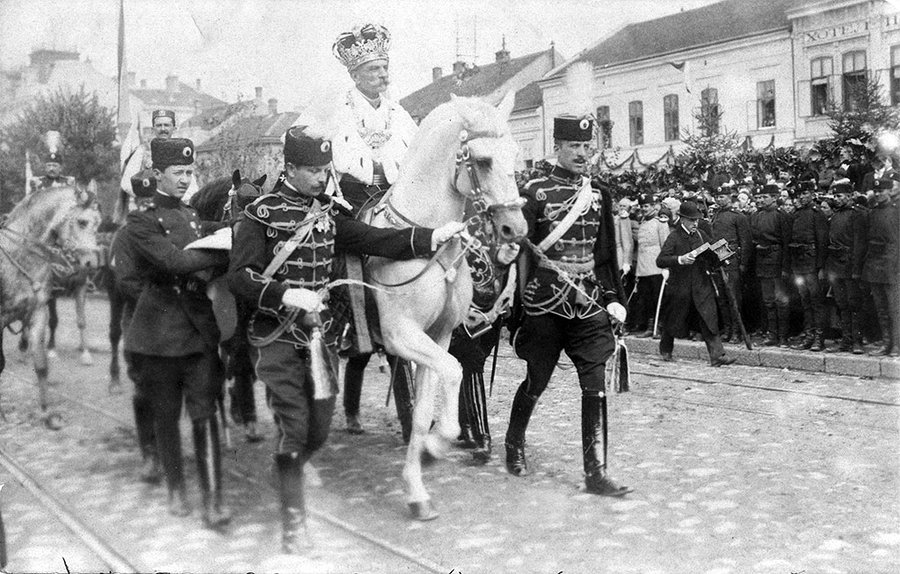
It then became náměstí Petra Osvoboditele. Petr Osvoboditel is King Peter the Liberator, Petar I Karađorđević, or Peter I of Serbia, first King of Yugoslavia from 1918 until his death in 1921.
In 1942, the Nazis, who had invaded Yugoslavia a year previously, renamed the square U Slepé brány / Am Blindentor, after a building that, until 1875, stood where Ipak is now.
After a brief trip back to being named after old Pete (1945-48), it then became náměstí Říjnové revoluce (October Revolution Square) until 1952.
Ivan Petrovich Pavlov, meanwhile, was born in Ryazan in 1849. He studied in a theological seminary, but then quit to devote himself to science.
He started studying physiology in St Petersburg in 1870, and received his medical degree nine years later.
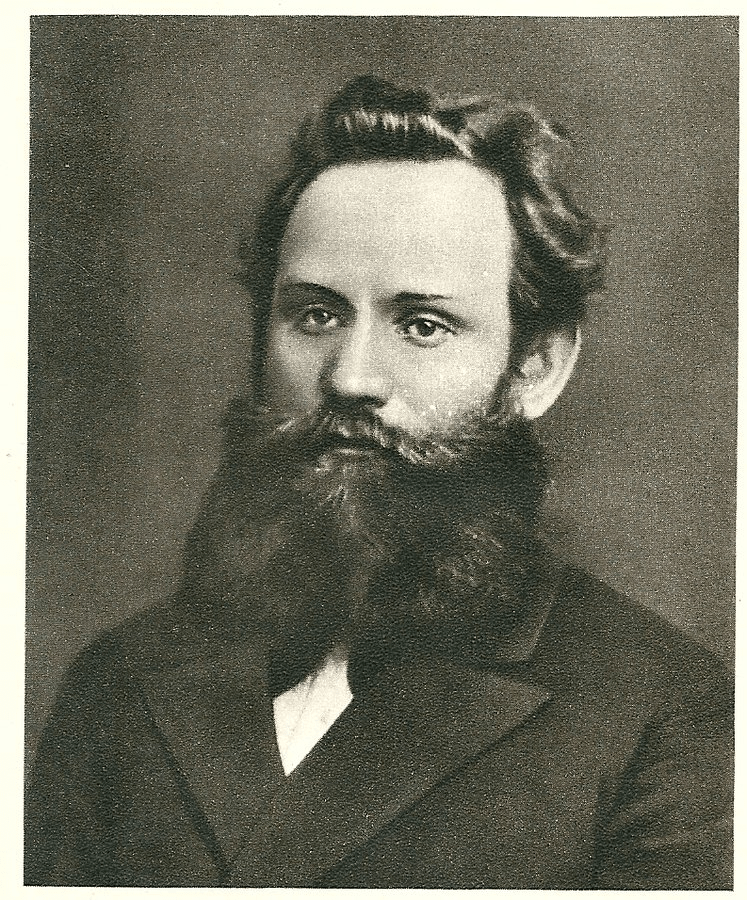
In 1891, he was given permission to set up a physiological department at the city’s Military Medical Academy.
Here, he would investigate the gastric function of dogs by analysing their saliva, noting that dogs would often salivate before they started eating their food.
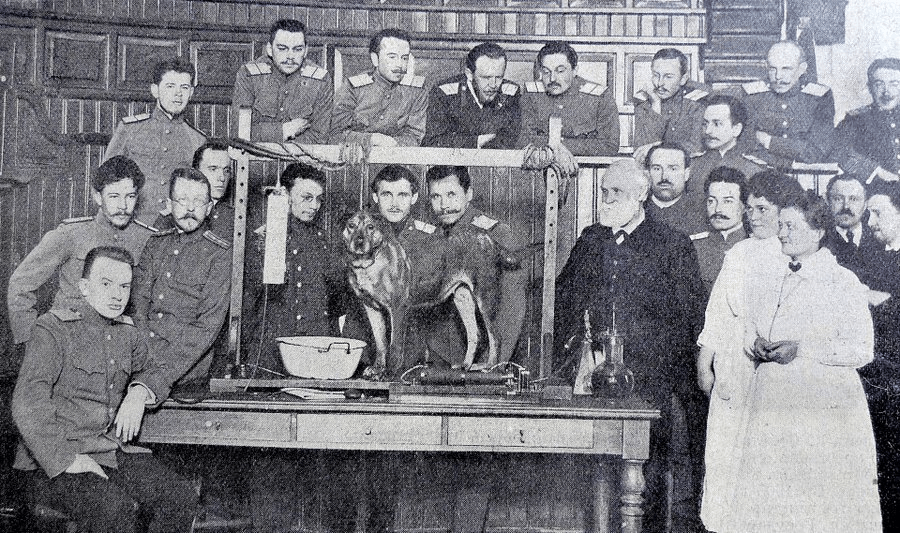
This led him to distinguish between two types of reflexes – as well as innate reflexes, there are conditioned reflexes, which are caused indirectly by certain combinations of stimuli.
He also proved that the digestive process is, in part, regulated by the nervous system.
For his work, he was awarded the Nobel Prize in Physiology or Medicine in 1904.
After the October Revolution, Pavlov refused to hide his disdain for the Bolshevik regime, and even asked to move to Sweden.
The request was not granted; instead, the regime entrusted him with management of the Physiological Institute of the Academy of Sciences of the USSR.
Pavlov died of bronchopneumonia in Leningrad in 1936; in shocking ‘people in the Kremlin being full of sh*t’ news, the powers-that-be lauded him as a model of Soviet science.

You will probably know that the square is popularly referred to as Ípak or Pavlák.
However, other nicknames for it include Slinták, Slinťák or Slintáč – and slintat is to slobber, dribble or drool. Which makes sense (and is incredble).
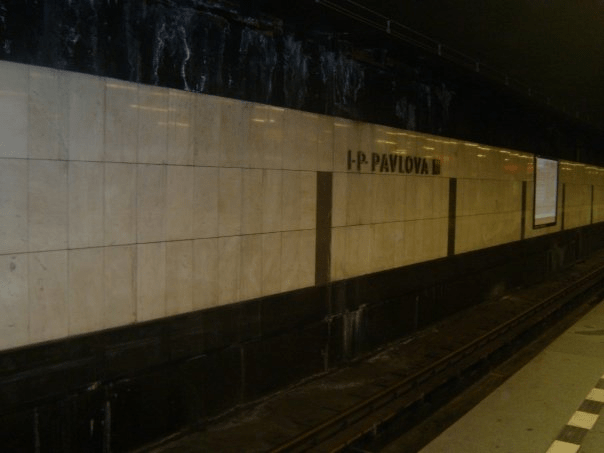
This has suddenly reminded me of the day in 2009 when I decided to take a picture of every single metro station in Prague. Which, looking back, was the sort of obsessive nerdiness that has led to this entire series.

 What's in a Prague street name
Leave a comment