Originally published on X on 24 March 2023.
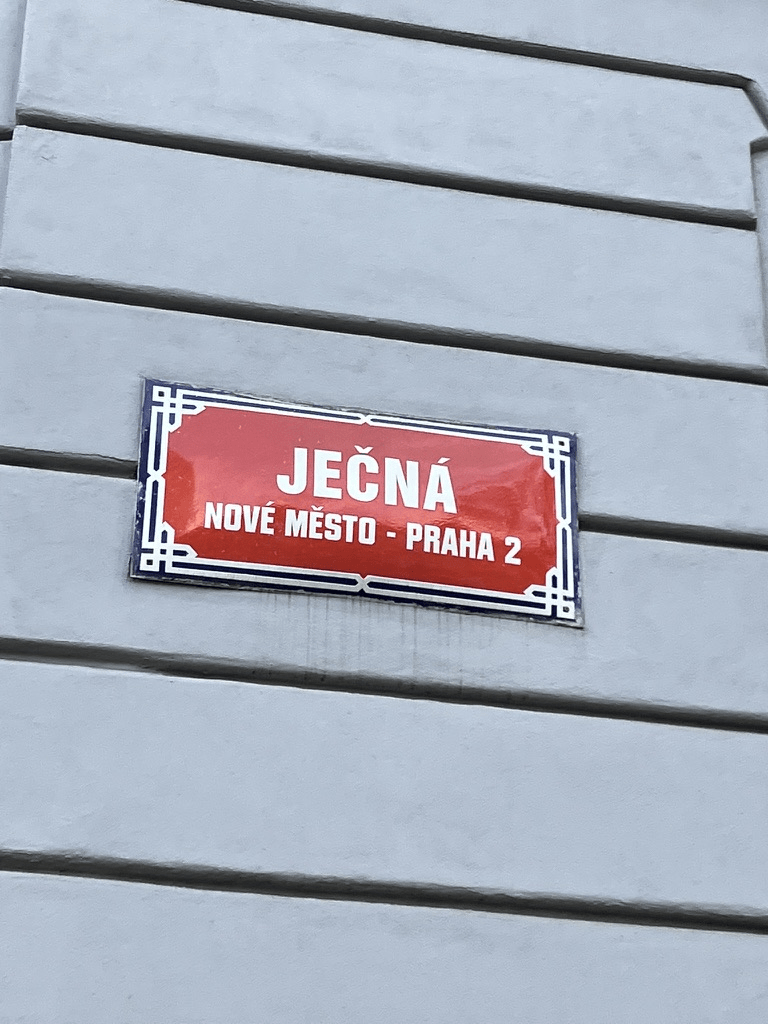
Ječná was built a long time ago.
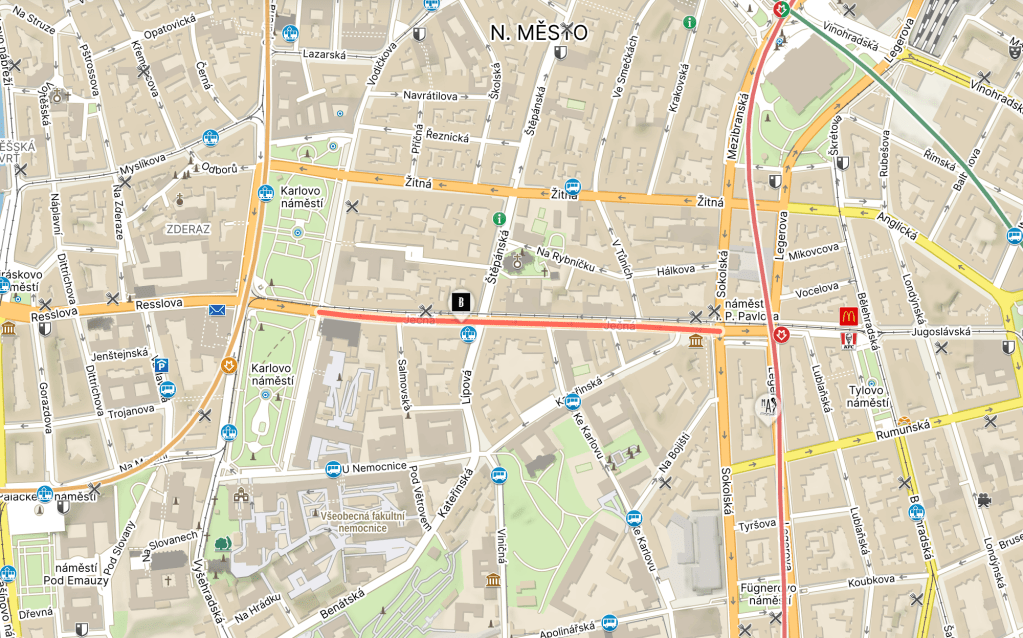
In 1348, Karel IV founded Prague’s New Town. There was a barley market (barley = ječmen) in this location, whereas, just to the north, there was a rye market (https://whatsinapraguestreetname.com/2024/02/27/prague-2-day-36-zitna/).
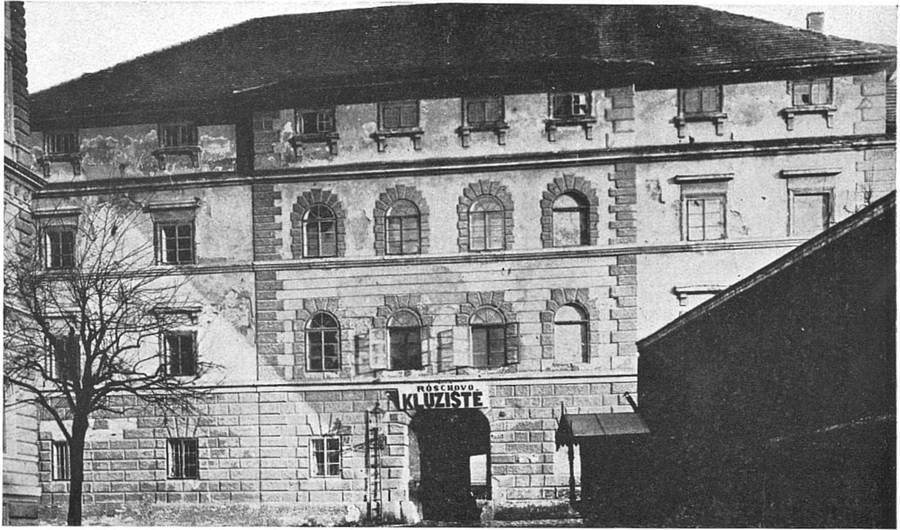
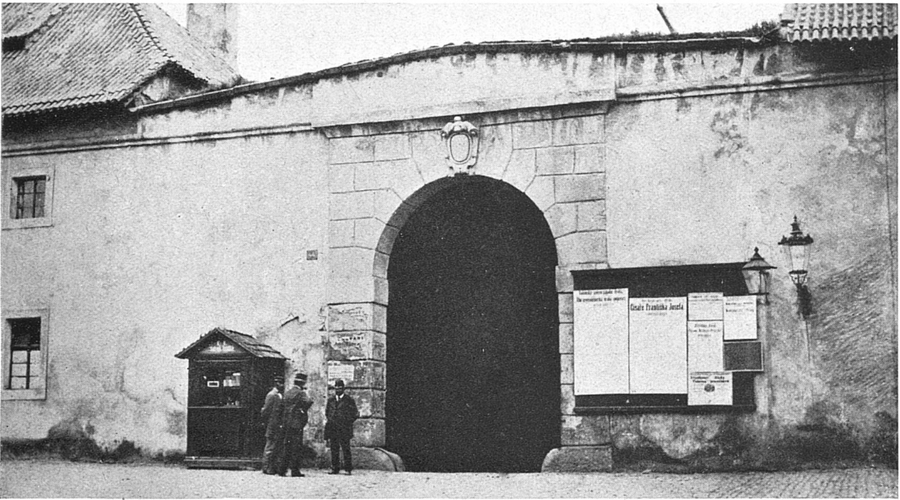
However, the (former) market sold pork as well as barley, and therefore came to be known as Svinský trh. The street, meanwhile, became known as Svinská, and the gate at the end of it as Svinská brána.
Like the Rye Gate (https://pic.x.com/n31rbnwlce), it was destroyed in 1875 as the old city walls were gradually demolished.
The street has been called Ječná since about 1750.
In 2016, the Czech Republic was the world’s 17th-largest producer of barley, between Ethiopia and Romania, and two spots ahead of China.
1,845,254 tonnes of the stuff were produced here in that year, and the best barley apparently comes from the Vyškov and Mělník regions.
I’m going to be incredibly intuitive and suggest that the large amount of production might possibly, just possibly, have something to do with the fact that barley is used to make beer.
Number 7 on Ječná was the long-term residence of Milan “Mejla” Hlavsa (1951-2001), founder of Plastic People of the Universe. During totalitarianism, his flat became a hangout for many members of the underground.
There used to be a memorial plaque to Hlavsa here, and, if you put 10 crowns into it, it would play his most famous song, Muchomůrky bílé, which also has an incredible, moody, Prague-based video:
But then some tosspot decided to steal the plaque in 2011. The building itself is currently under some much-needed reconstruction.
If you’re having an off day, here’s 18 seconds of photos of Czechs on Ječná on 22 February 1998, celebrating the national ice hockey team’s first ever gold medal at the Winter Olympics:

 What's in a Prague street name
Leave a comment