Originally published on X on 6 April 2023.
Na Moráni was built centuries ago, but was extended in the 19th.
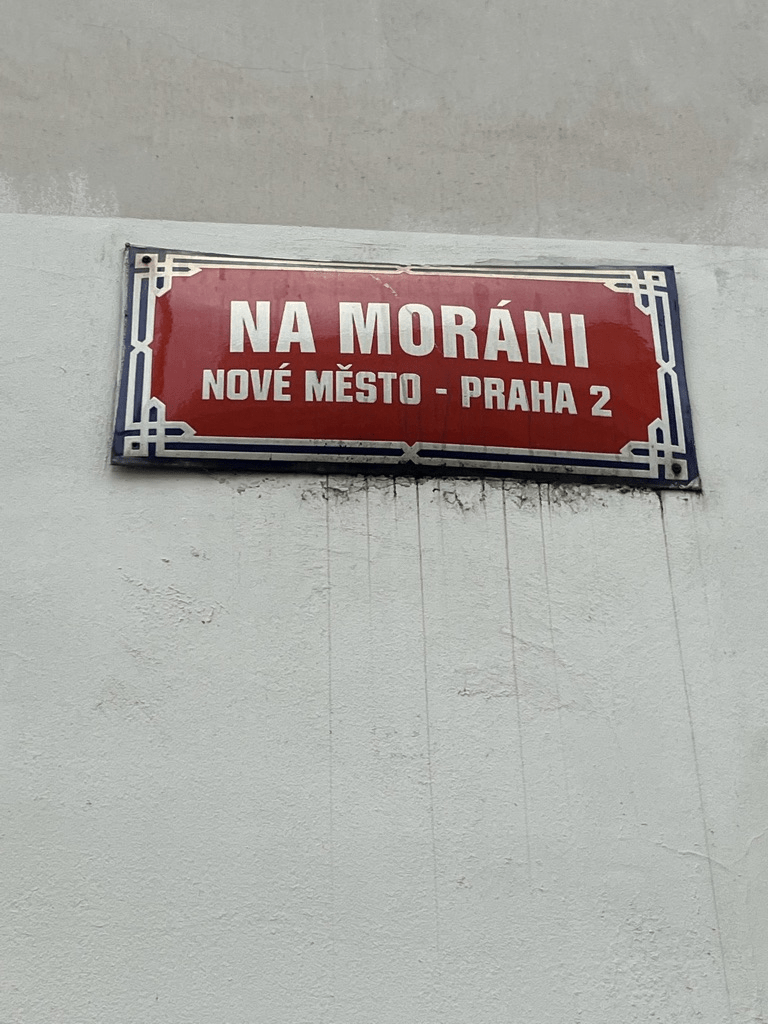
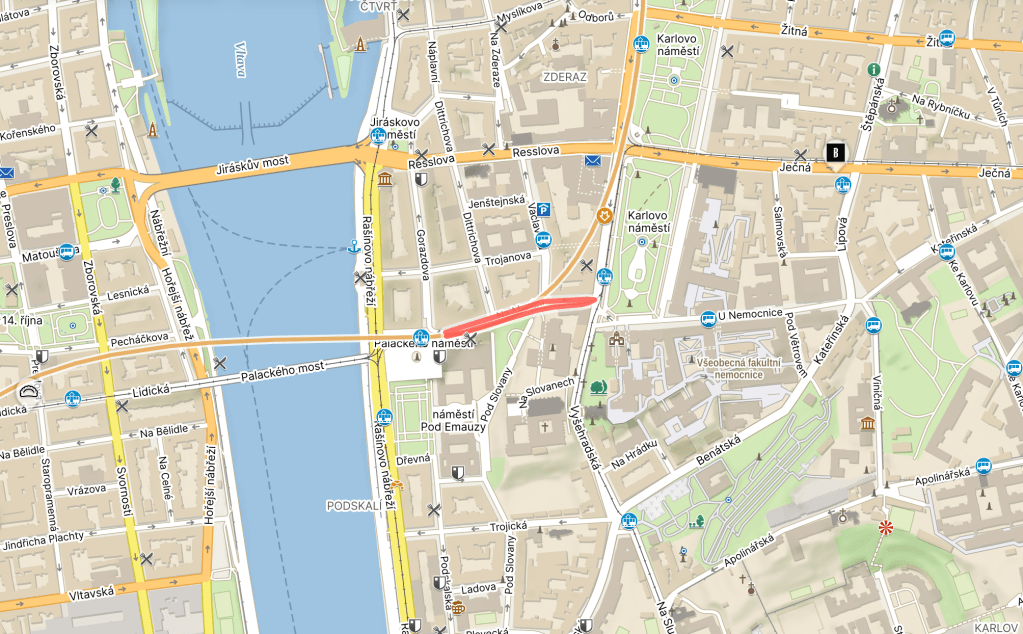
Until that extension, the street was called Emauzská ulička (see https://whatsinapraguestreetname.com/2024/08/31/prague-2-day-143-namesti-pod-emauzy/).
Morana is a pagan Slavic goddess whose super-multitasking father Perun has a street relatively nearby (https://whatsinapraguestreetname.com/2023/12/23/prague-3-day-183-perunova/).
Well, sort of – the rituals around her were written down in the 15th century, but there’s no evidence that the pre-Christians ever actually worshipped her.
In these writings, Morana is associated with winter and death (one of her alternative names is Smrtka), and also with spring and rebirth.
The story goes that she married her twin brother, Jarilo (whose name is linked to jaro, spring), but he was unfaithful, and so she got her other brothers to kill him. She then transformed herself into an old, withered figure.
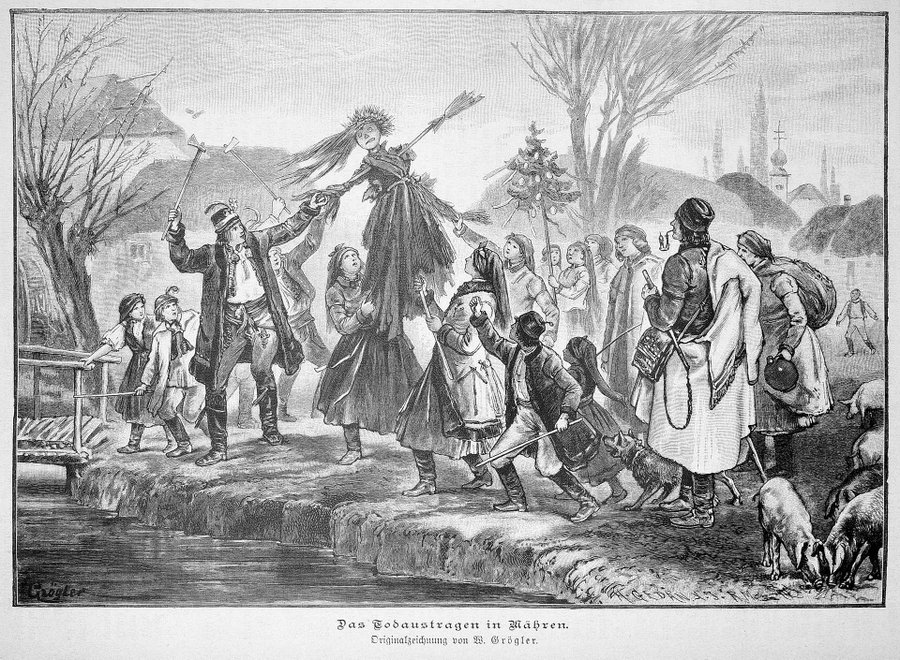
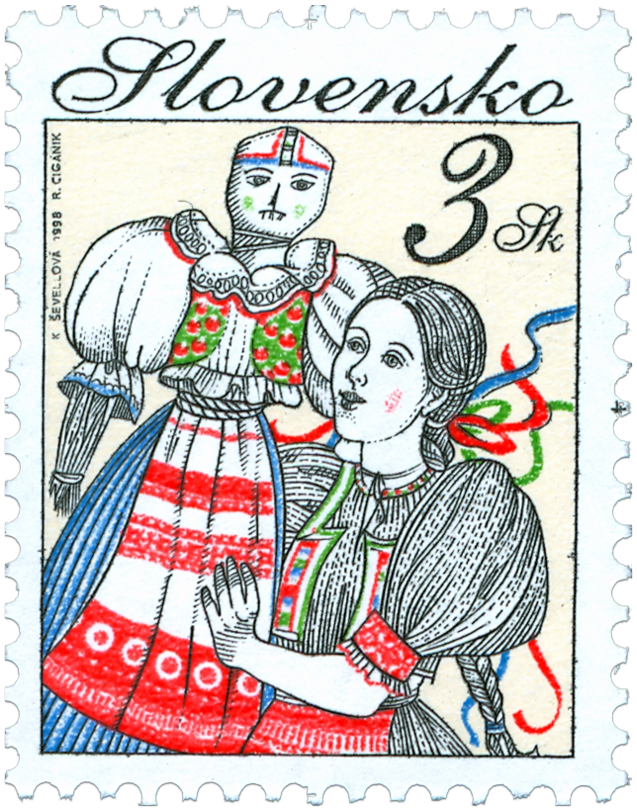
From the 1300s, there was a Slavic tradition of burning an effigy of Morana on the fifth Sunday of Lent, apparently to bring about death (or ‘out with the old, in with the new’). It largely died out in the 19th century but is still celebrated, mainly by schoolchildren.
Morana is also the name of a self-propelled howitzer, still being worked on. If it gets deployed, it’s intended for it to be put to very good use: https://www.czdefence.com/article/czech-modernised-tanks-and-other-systems-are-and-will-be-helping-ukraine-in-its-fight-against-russia
And the reason for Na Moráni? Apparently, there was once a house here called Dům Na Moráni, so called because it supposedly had a sacred pagan grove in which Morana resided.

 What's in a Prague street name
Leave a comment