Originally published on X on 9 April 2023.
Podskalí was built in 1894.


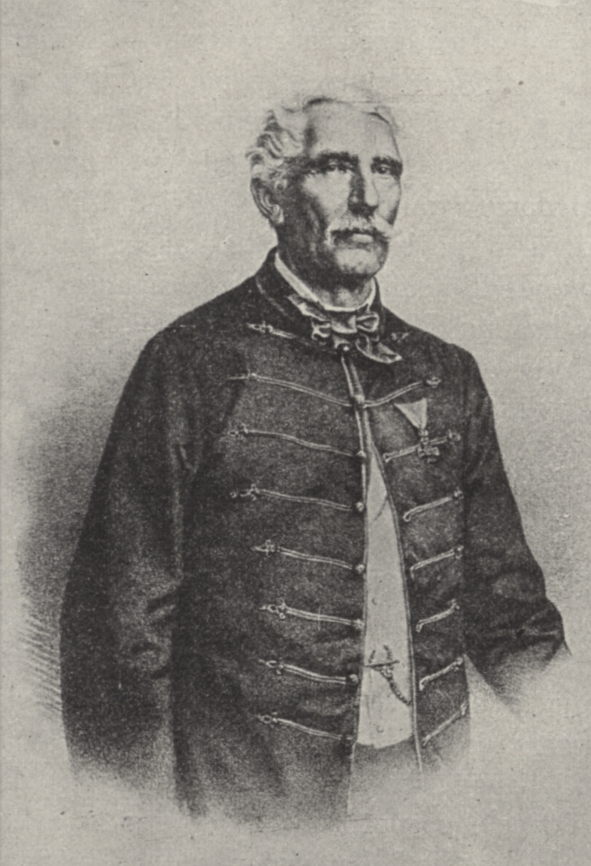
František Dittrich was born in Podskalí – i.e. here – in 1801. Being deprived of both parents and his inheritance at an early age, he started to work as a raft swimmer on the Vltava, ultimately making enough money to open a shop and an inn.
Involved in local life, he bought the town hall in Podskalí in 1839 (https://whatsinapraguestreetname.com/2024/08/31/prague-2-day-141-na-poricnim-pravu/) and organised a Czech cultural society.
On 11 March 1848, the radical association Repeal (which included both Czech and German-speakers) held an unauthorised protest meeting at Svatováclavské lázně / St Wenceslas Baths, where Dittrichova is located now.
Having found out via secret pamphlets that revolution was happening elsewhere in Europe, the group requested civic freedom, abolition of censorship, and language equality.
The St. Wenceslas Committee (later National Committee / Národní výbor), organised as a result of the meeting, prepared a petition – which rather fell by the wayside when Vienna itself exploded with revolutionary activity two days later.

Dittrich was one of the participants in the meeting and the Committee, and was also elected to Prague’s municipal council around the same time.
When hopes for greater Czech autonomy were dashed, Dittrich would withdraw from politics until 1859, and became deputy to the Mayor of Prague in 1863. His work focused on improving conditions in the local hospital (https://whatsinapraguestreetname.com/2024/08/31/prague-2-day-138-u-nemocnice/) and almshouse.

He was also instrumental in launching successful steam transport across the Vltava.
In 1870, he was elected mayor. In his three-year tenure, he oversaw construction of the Main Train Station, and, in 1871, conducted the city’s first civil marriage.
Dittrich died in 1875, and is buried in Olšany Cemetery.
Anyone looking for remnants of the baths on Dittrichova now will be disappointed. And the only commemorative plaque is behind what was, on the day I visited, a closed door.
The buildings where the baths once were now look like this.


The one that you can’t take your eyes off – if you’re like me – was created by architect Karel Lupíšek in 1928 as the Pension Institute of Employees of Health Insurance Companies in Czechoslovakia. Its four statues represent different professions.

 What's in a Prague street name
Leave a comment