Originally published on X on 13 April 2023.
Jiráskovo náměstí was built in 1905 as a result of modifications to the riverbank.
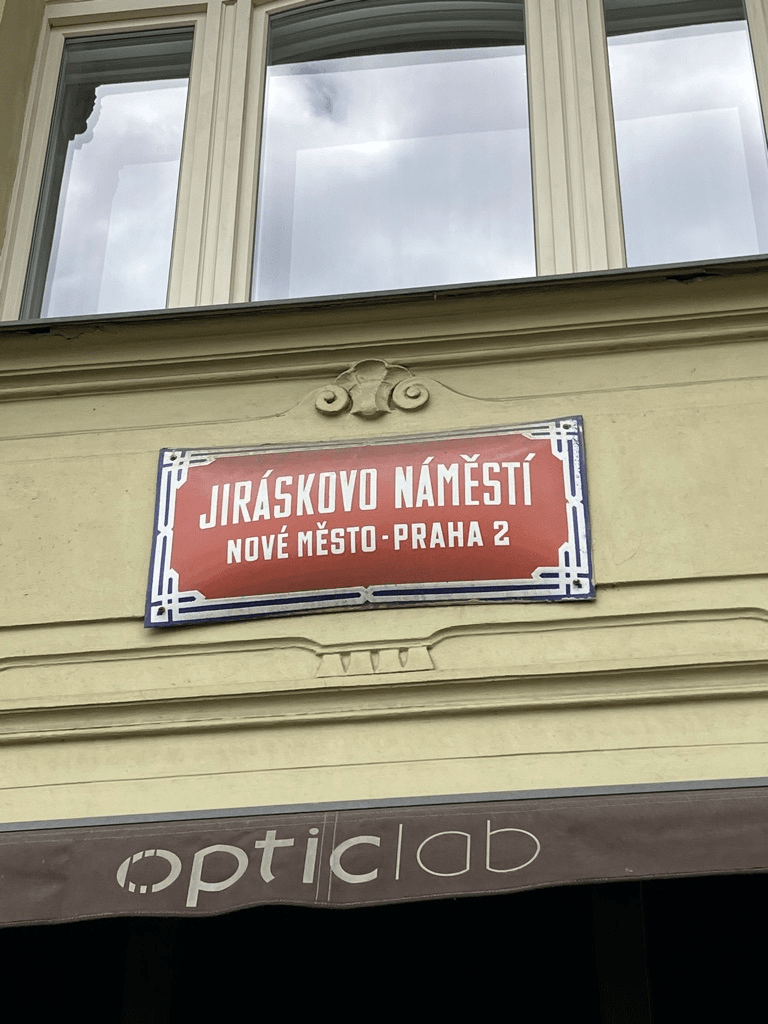
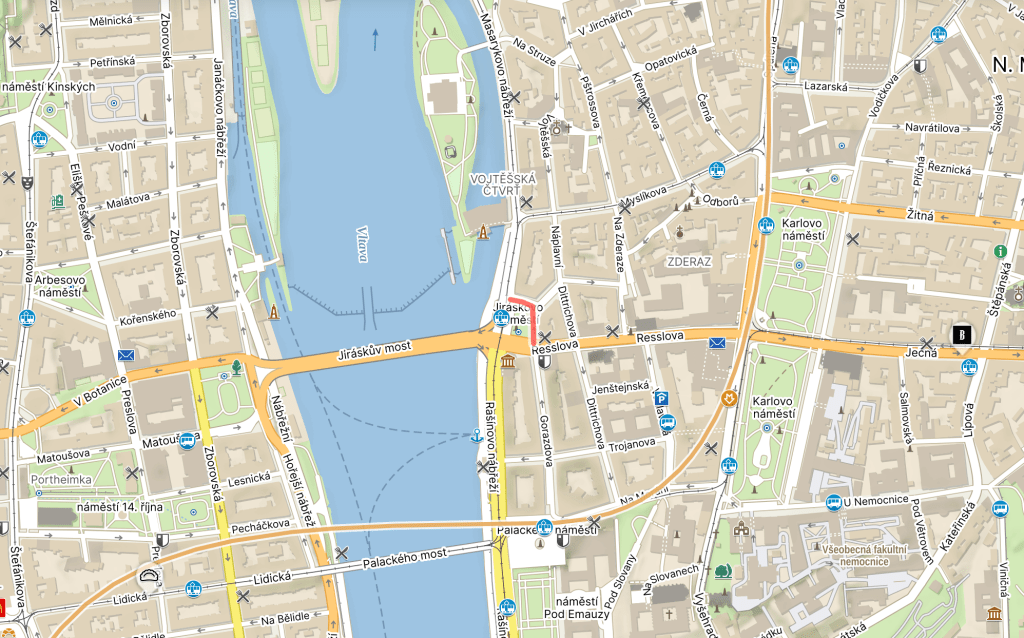
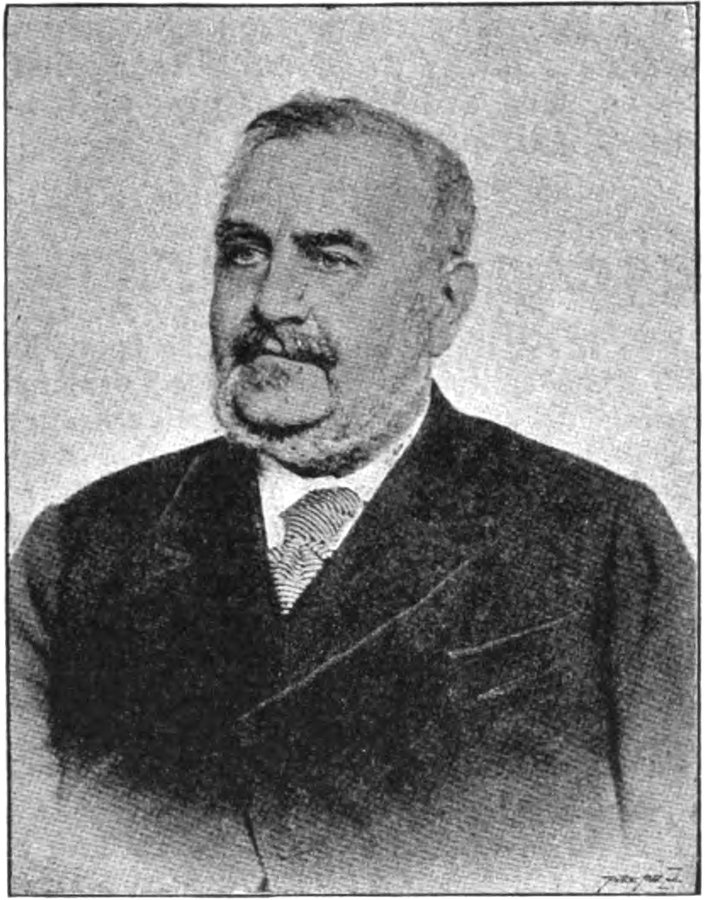
Until 1940, and again from 1945 to 1947, this was Riegrovo náměstí, after František Ladislav Rieger (1818-1903), politician, publicist, and early leader of the Czech nationalist movement.
Under the Nazi occupation, it was Máchovo náměstí, and you can read about Karel Hynek Mácha here: https://whatsinapraguestreetname.com/2024/07/07/prague-2-day-62-machova/
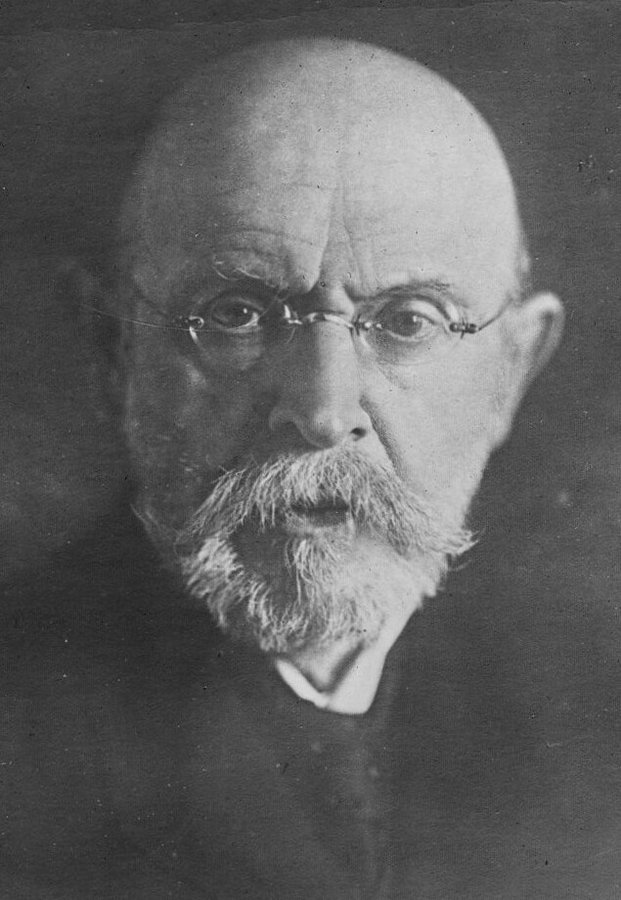
Alois Jirásek was born in Hronov, near Náchod, in 1851. After completing his history studies in Prague in 1874, he moved to Litomyšl, where he stayed for fourteen years, teaching Czech and history at a grammar school. It was also here that he wrote his first important works.
In 1888, he moved back to Prague, eventually settling into an apartment on the corner of the square that now bears his name and Resslova (https://whatsinapraguestreetname.com/2024/09/01/prague-2-day-153-resslova/).
He taught at the gymnasium on Žitná (https://whatsinapraguestreetname.com/2024/02/27/prague-2-day-36-zitna/), and became a member of the Czech Academy of Sciences in 1890. He’d stay at the school until 1909, when he retired and devoted himself to writing full-time.
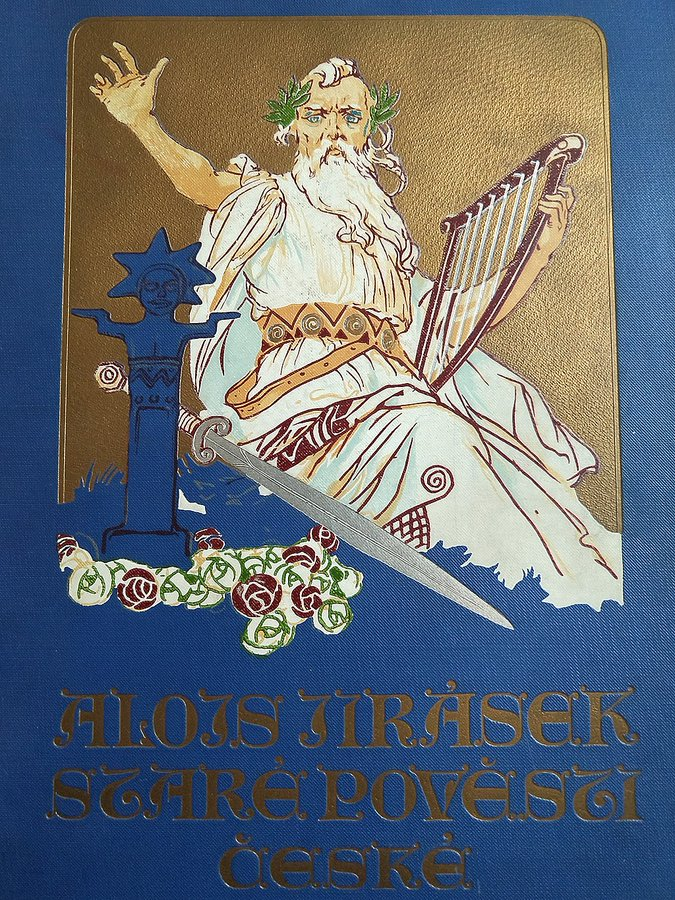
The work that you’re most likely to know of his is Staré pověsti české / Ancient Bohemian Legends (1894). It contains several of the stories that have been summarised in previous threads.
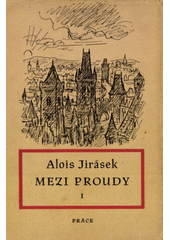
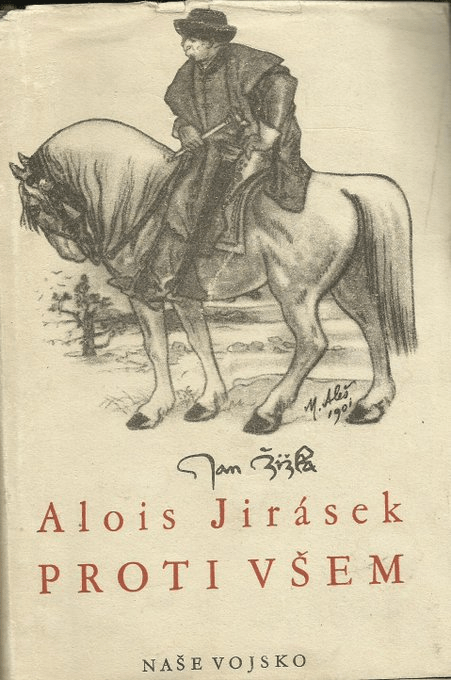
Jirásek also wrote at least nine novels about the Hussites, including Mezi proudy (Between the currents, 1887-90), featuring all kinds of famous Jans: Hus, Žižka and z Jenštejna, and Proti všem (Against all, 1893), covering the founding of Tábor and the Battle of Vítkov.
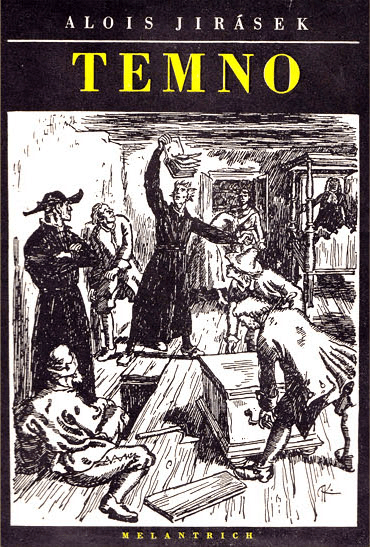
Jumping forward 200 years, his novel Temno (The Dark) covers Czech oppression by the Habsburgs following the Battle of Bílá Hora. Written in 1913 to 1915, it became the most famous book in the Czech lands during WW1.
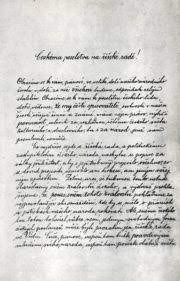
In May 1917, Jirásek was one of the key signatories of the Manifesto of Czech Writers, a public declaration in favour of Czech self-determination.
In December 1918, when Masaryk arrived at the main train station in what was now the capital of an independent Czechoslovakia, Jirásek made a speech: https://aloisjirasek.cz/o-vitani-tgm/.
Jirásek was also active in politics, being a senator for the right-wing Czechoslovak National Democracy from 1920 to 1925.
Jirásek died in Prague in 1930, and is buried in his native Hronov. I’m glad we weren’t alive at the same time, because I feel that he would’ve come up with the idea for What’s In a Prague [x] Street Name long before I did.
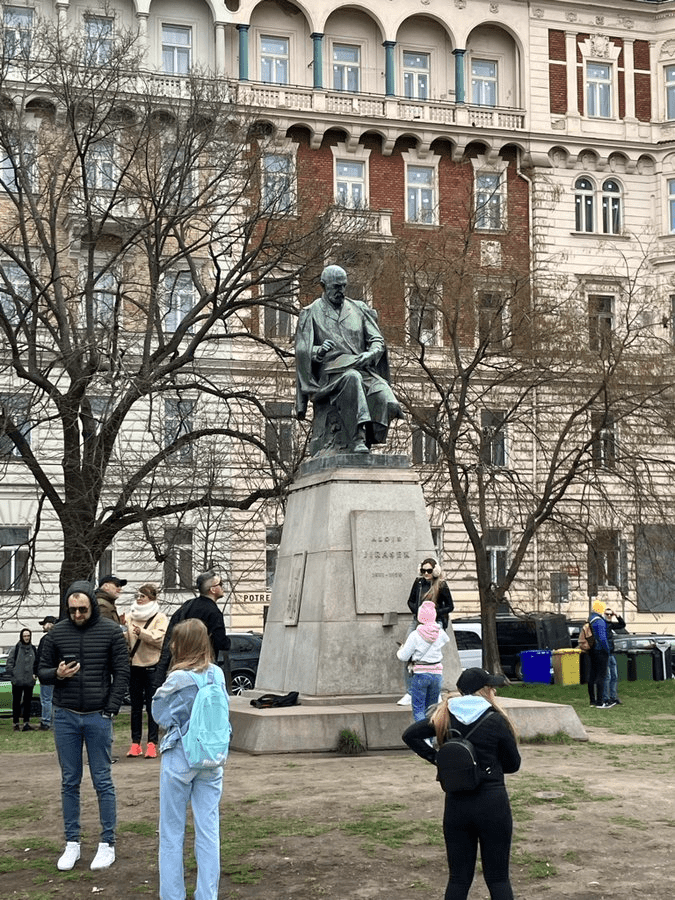
There’s a statue of Jirásek on the square itself, where the overall impression is somehow like a real-life Where’s Wally / Waldo / Valdík book where they didn’t have enough budget to get a few more people.

 What's in a Prague street name
Leave a comment