Originally published on X on 25 April 2023.
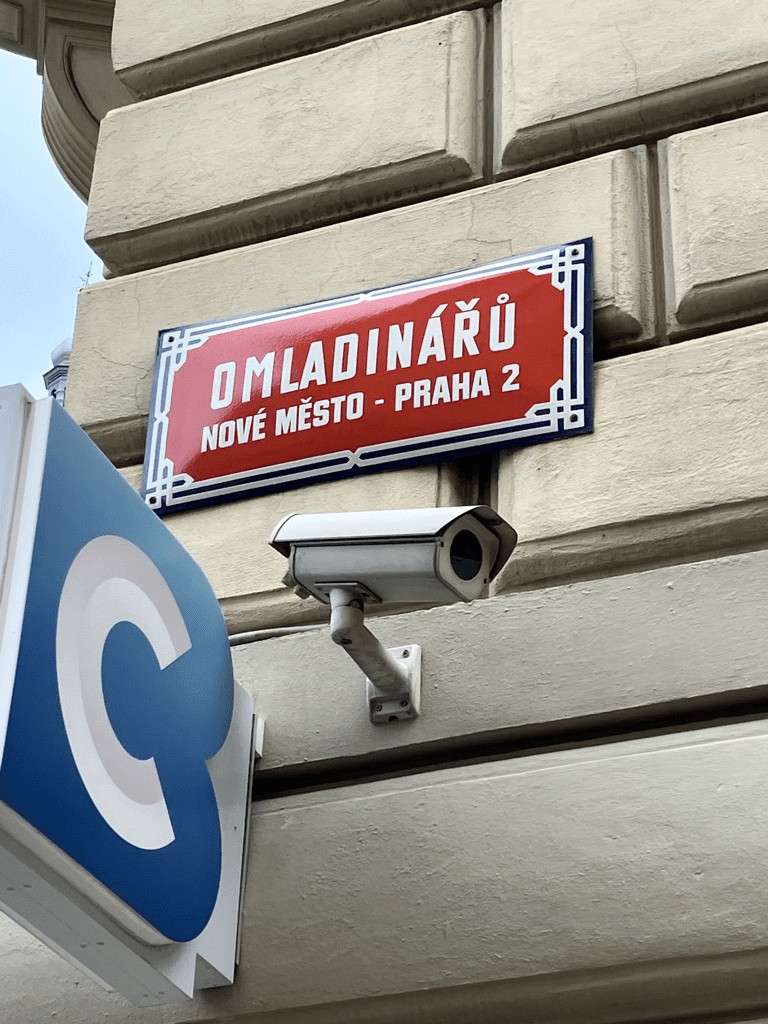
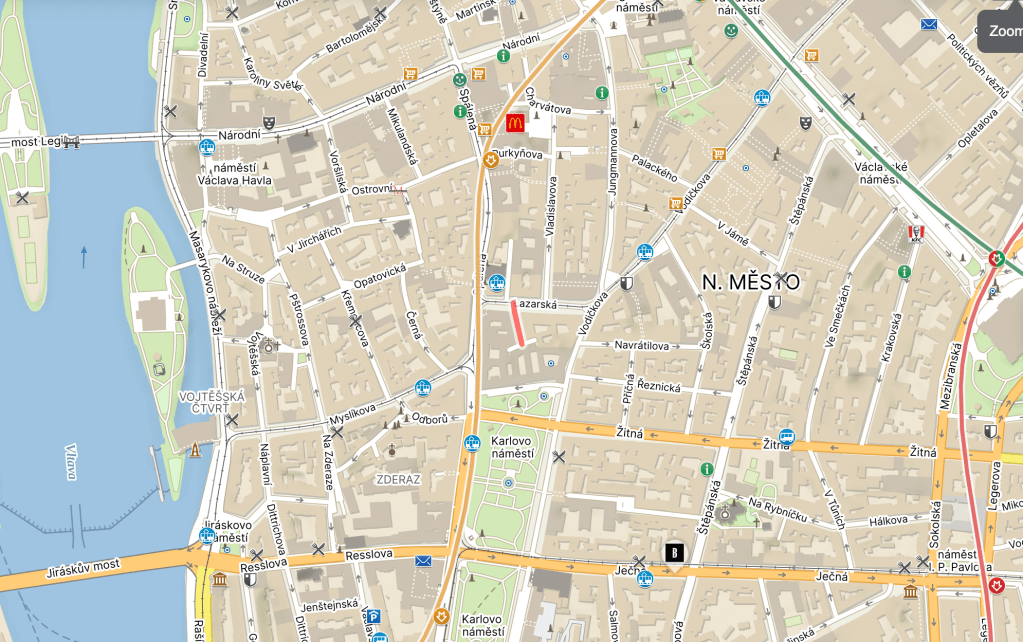
We don’t know when the street was built. What we do know is that the road was known as Malá Lazarská (https://whatsinapraguestreetname.com/2024/09/01/prague-2-day-165-lazarska/) until 1909, then becoming part of Lazarská itself until 1934.
In 1890, an eleven-point plan, known as Punktace, was drawn up, aiming at Czech-German reconciliation. The Punktace would’ve divided the regional administration into Czech, German and mixed areas.
The Young Czechs, who hadn’t taken part in the negotiations, declared the plan unacceptable, and the Old Czechs, who had, would be soundly defeated in the 1891 elections.
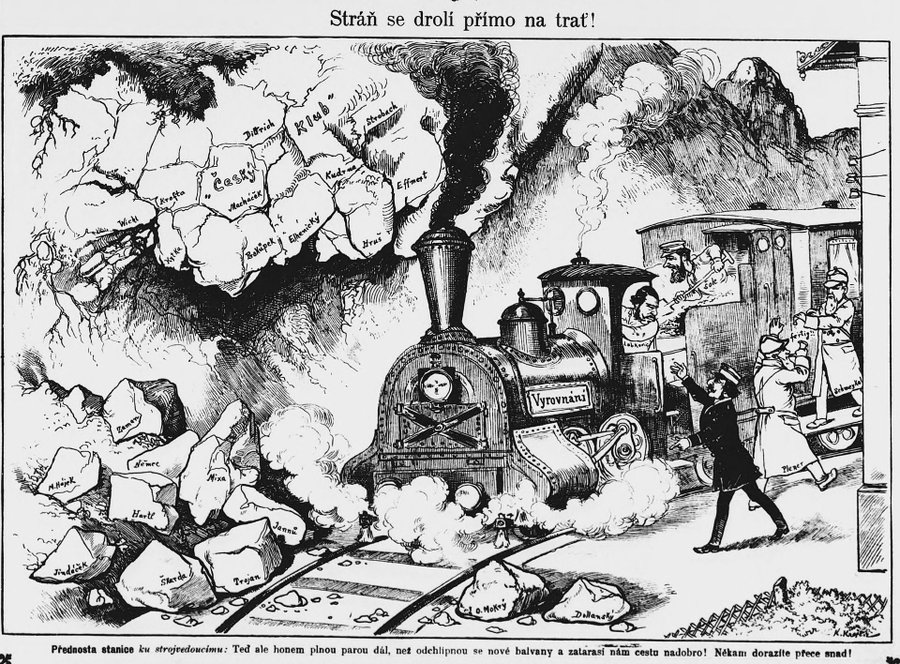
Scared of a plan that’d basically stop Bohemia from existing, people started illegal demonstrations in 1892.
In one, protestors tried to pull down a statue of Jan Nepomucký (presumably the one on Charles Bridge); another ended up with a fight with police at Olšany Cemetery.
The police started to assume there was a secret organisation planning all these protests, especially as many of the leaflets being distributed were published on an expensive device called a hectograph, which was quite hard to get your hands on.
In August 1893, celebrations for the birthday of Emperor Franz I went as well as you might expect – demonstrators shouted so loudly that the military band on Old Town Square was drowned out, a restaurant named after the Emperor was trashed, and Franz got verbal abuse.
This would lead the authorities to declare martial law in Prague in September.
Several people were arrested, including Alois Rašín (https://whatsinapraguestreetname.com/2024/08/28/prague-2-day-125-rasinovo-nabrezi/), and a 20-year-old called Rudolf Mrva, who named several others to the police.
Arresting one of the people named by Mrva, a journalist and left-wing activist called Jan Ziegloser (1875-1955), the police found a hectograph, as well as Ziegloser’s diaries, in which he wrote about the youth of Prague and their politics.
He called the youth the omladina. This, combined with conflicting statements by those arrested, was enough for the police to conclude that there was an organisation with that name.
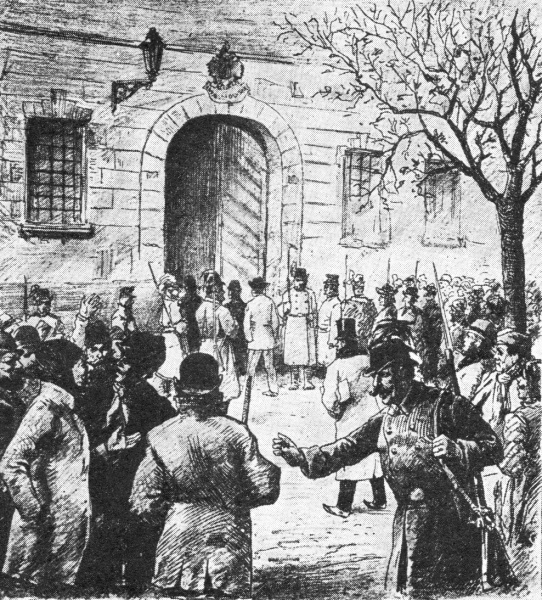
The detainees (38 of them, all aged between 16 and 31) were held in the New Town prison (part of the Town Hall on Karlovo náměstí (https://whatsinapraguestreetname.com/2024/09/01/prague-2-day-164-karlovo-namesti/)).
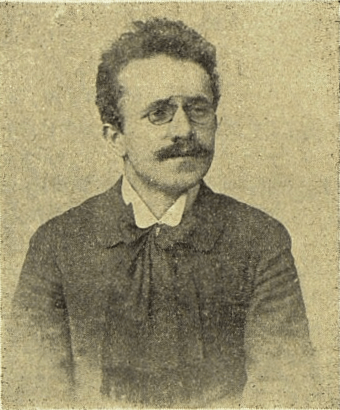
Mrva would be murdered in December 1893 by two of his friends, Otakar Doležal and František Dragoun, both from Žižkov.
The ‘Omladina Trial’ took place at the prison in February 1894. The longest sentence – for Josef Ziegloser – was eight years, but all 68 people tried got sentenced to at least a few months (and found out via smuggled newspapers).
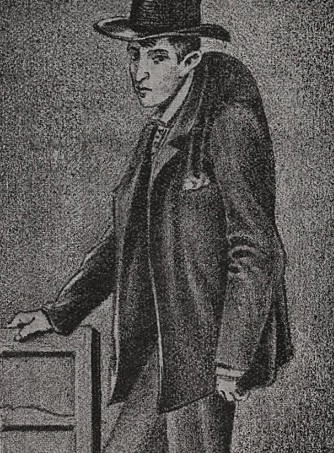
Doležal and Dragoun were tried in March, but were acquitted – and later confessed to killing Mrva (pictured).
In late 1895, an amnesty was announced. All prisoners had been released by November, except for two who had died of tuberculosis in prison.
One of the prisoners, Václav Čížek, who had been the most vocal of the defendants during the trial, shot himself on Wenceslas Square three days later.
All because of the trial of a group that didn’t actually exist.

 What's in a Prague street name
Leave a comment