Originally published on X on 7 August 2023.
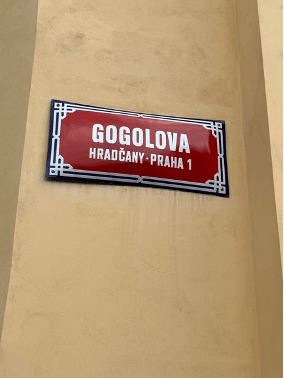
Nikolai Vasilyevich Gogol was born in Velyki Sorochyntsi, now in Poltava Oblast, in 1809, supposedly descended from an ancient Ukrainian Cossack family. His father wrote poetry and plays in both Ukrainian and Russian.
In 1820, he joined a school in Nizhyn (now in Chernihiv Oblast) and started writing. Graduating in 1828, he moved to St Petersburg, where his attempts to become a successful writer were initially unsuccessful.
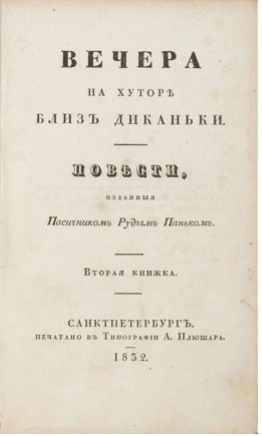
His first success came in 1831, with the publication of Evenings on a Farm Near Dikanka, a collection of short stories influenced by his upbringing in Ukraine.
Developing an interest in Ukrainian Cossack history, Gogol published his short story Taras Bulba, about the Zaporozhian Cossacks, in 1835.
He struck up a friendship with Alexander Pushkin, whose death in 1837 had a huge effect on his mental state. Gogol had left Russia in 1836 and would spend much of the next few years in Rome.
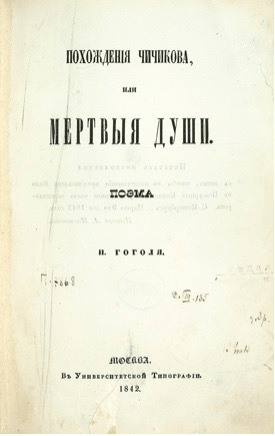
In 1839, he returned to Russia to publish his novel, Dead Souls, a satire of the Tsarist bureaucracy (and yet Tsar Nicholas I became a fan). Censorship meant that it was first published under the less controversial title of The Adventures of Chichikov.
Part of Dead Souls had actually been drafted during a visit to Mariánské Lázně in the same year, where Gogol had gone in the hope of curing some serious stomach-intestinal problems he had had.
After a pilgrimage to Jerusalem in 1848, Gogol returned to Russia and befriended a priest who told him that his literary work was sinful.
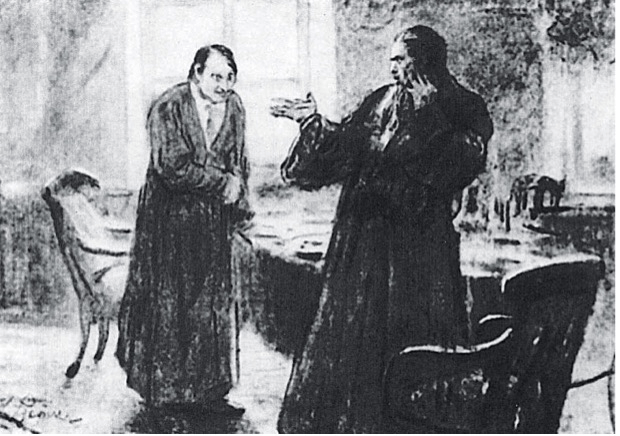
Terrified that he was heading for eternal damnation, Gogol burned his manuscripts, including the second part of Dead Souls, in February 1852, and took to his bed, refusing any food.
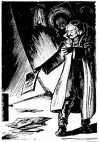
He died nine days later, aged just 43. It has been suggested that he had suffered from schizophrenia.
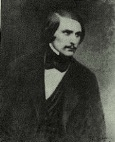
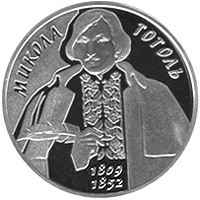
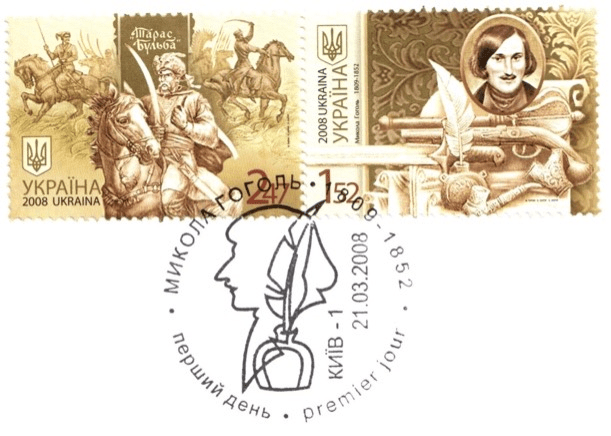
Gogol is well represented on stamps throughout the world, as well as some coins. Here are some Ukrainian examples.
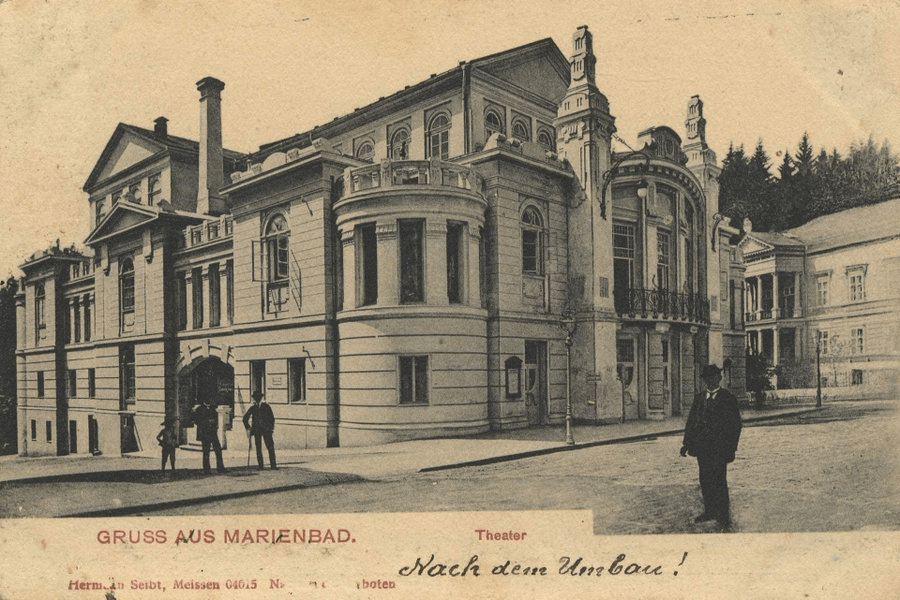
In 1952, the Municipal Theatre in Mariánské Lázně would be renamed the N. V. Gogol Theatre, although it has since reverted to its previous name.
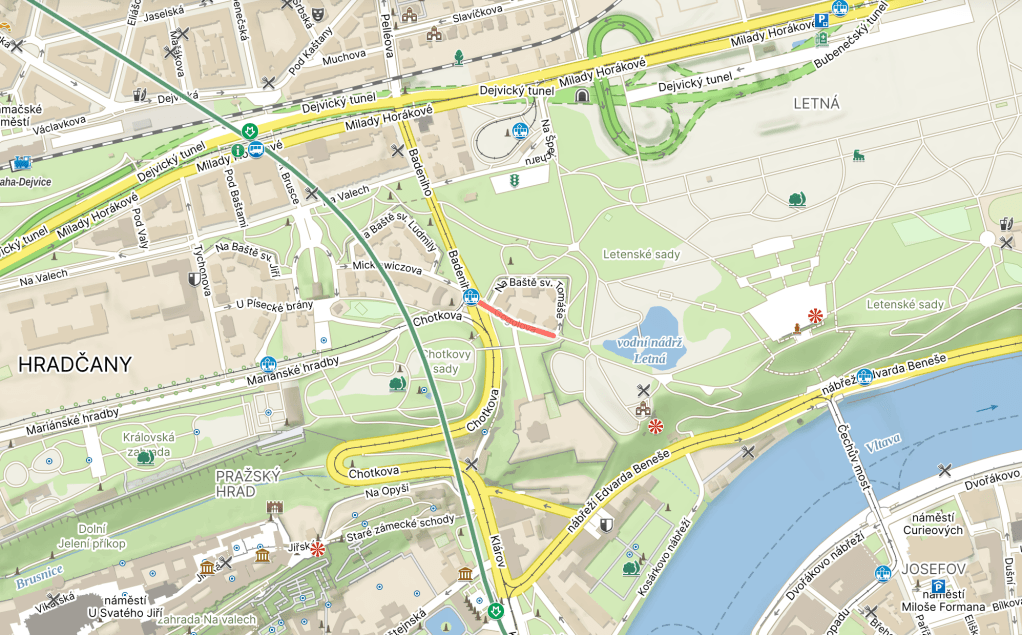
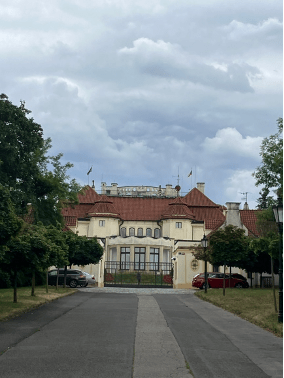
Gogolova, meanwhile, is the site of Kramářova vila, built for Karel Kramář – who would later be the first PM of Czechoslovakia – between 1911 and 1914.
Falling into disrepair in the Communist era, it was renovated between 1994 and 1998, and, since then, has served as the official residence of the Czech Prime Minister.

 What's in a Prague street name
Leave a comment