Originally published on X on 12 September 2023.
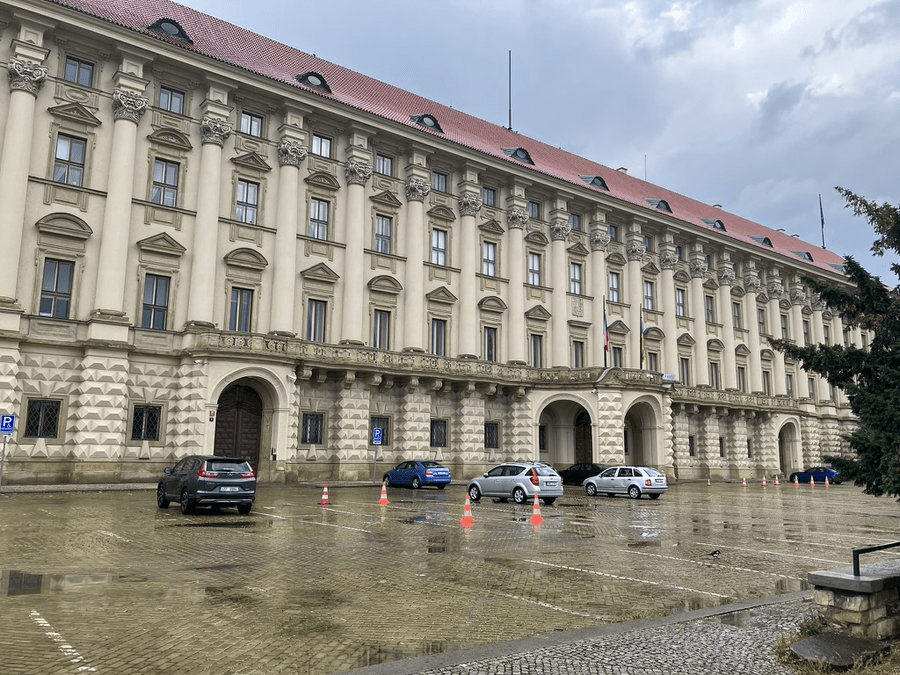
Černínská was built around or before 1700.
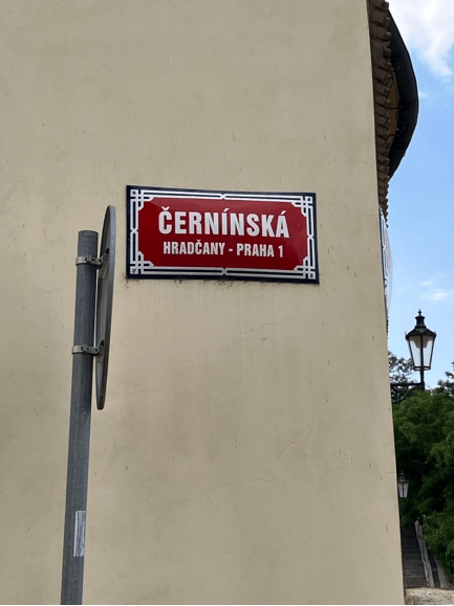
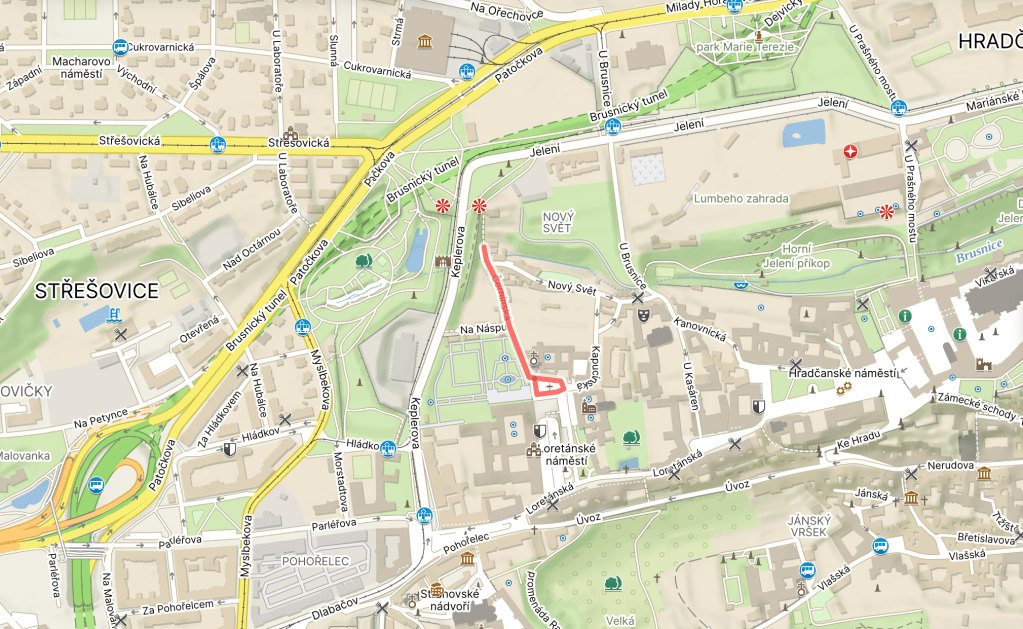
From the 1700s, this was known as Nový Svět (New World), as were current-day Nový Svět and Kapucínská (https://whatsinapraguestreetname.com/2024/09/07/prague-1-day-16-kapucinska/). It then became Zadní (Lower) Nový Svět in the early 1800s, later being treated as part of Kapucínská before gaining its current name in 1870.
Humprecht Jan Černín was born in Radenín (near Tábor) in 1628, into the Nedrahovice branch of the noble Černín family.
Being a noble had benefits – his studies with the Jesuits meant he got to spend time in Florence, Rome, Paris and Brussels, and, in 1651, he inherited six estates from his late uncle.
Černín served as chamberlain to Archduke Leopold Habsburg (the future Leopold I) from 1650, later becoming a viceroy of the Kingdom of Bohemia, an imperial envoy in Venice, and, in 1675, a member of the Order of the Golden Fleece, the highest Habsburg honour.
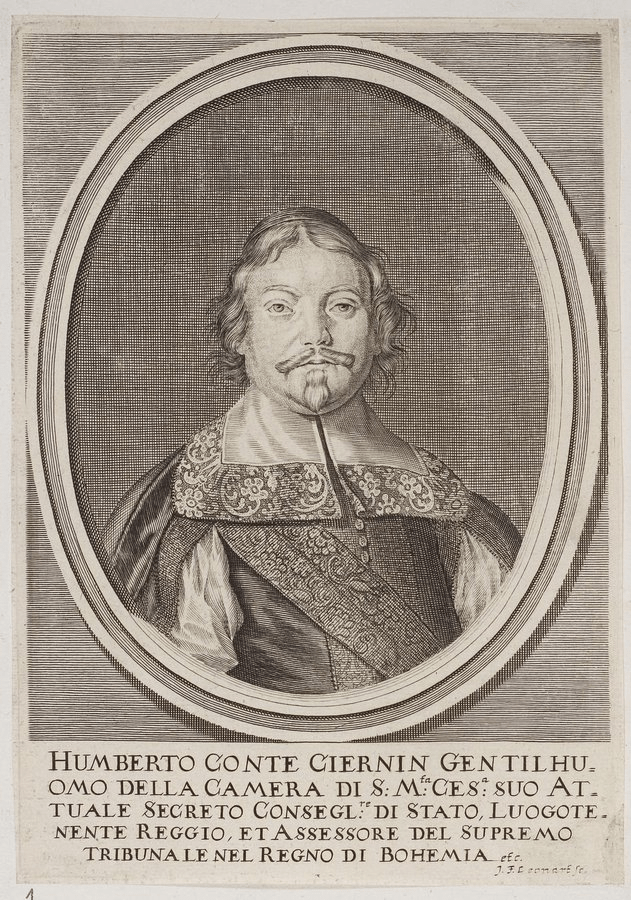
His wealth and travels led him to become a collector of art, with a particular interest in Old Testament scenes, Greek mythology and depictions of modern literature. In the 1660s, he moved back to Prague (with his collection), and commissioned a palace to be built.
While good progress was made on the construction, Černín died at Kosmonosy in 1682, and therefore never saw it in its completed state.
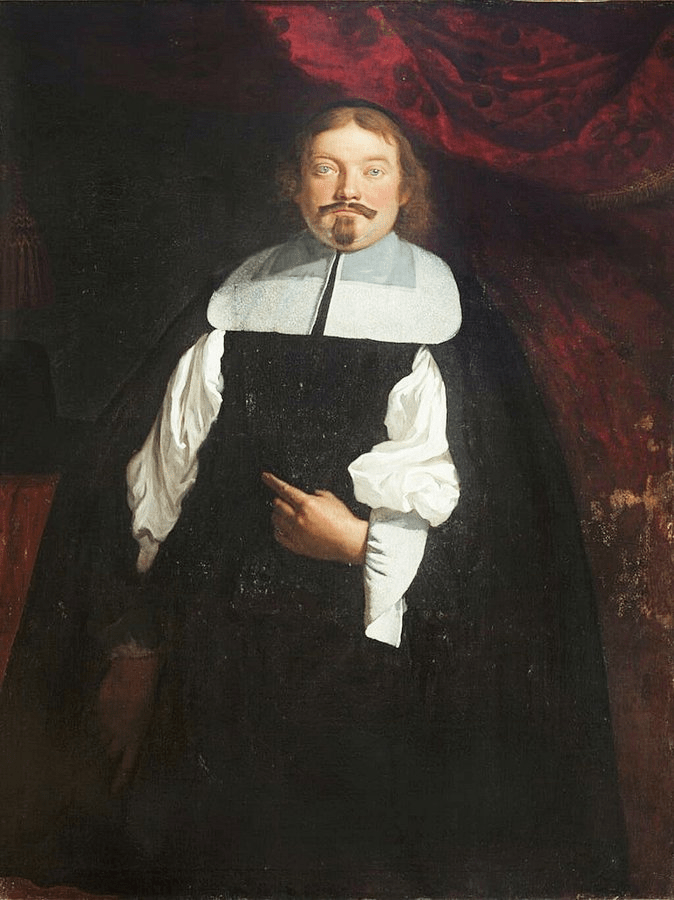
(Painting by Karel Škréta, covered in the Prague 2 series: https://whatsinapraguestreetname.com/2024/02/18/prague-2-day-34-skretova/)
Černín Palace was badly damaged both during the Wars of the Austrian Succession (1740s) and the Battle of Prague during the Seven Years’ War (1757).
It was given a Baroque reconstruction, and, from the 1770s, played various roles (as barracks, as an art gallery, as a homeless shelter and as an infirmary, among others).
In 1934 – following reconstruction by the architect Pavel Janák – it became the Ministry of Foreign Affairs for Czechoslovakia. It still serves the same purpose for the Czech Republic today.
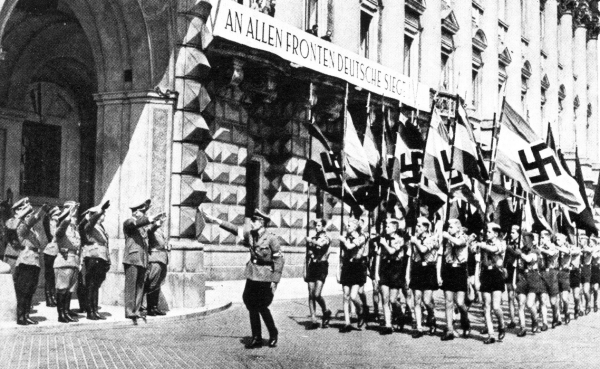
During the Nazi occupation, it was the office of the Reichsprotektor.
A similarly ‘we’d rather not remember this’ moment came in 1948, when it was where Jan Masaryk, who had an apartment here, died in unconfirmed circumstances (https://whatsinapraguestreetname.com/2024/03/17/prague-2-day-46-jana-masaryka/).
Here’s some footage of the palace from earlier in the same year, including Masaryk:
More cheerfully, the palace was also where the Warsaw Pact was dissolved, on 1 July 1991: https://www.nytimes.com/1991/07/02/world/death-knell-rings-for-warsaw-pact.html
Nice little collection of images of that moment here: https://www.imago-images.com/offers/437034/Archive/Archivbilder-zur-Politik/Warsaw-Pact-dissolution-decided,-30th-anniversary-on-1-July-?db=stock
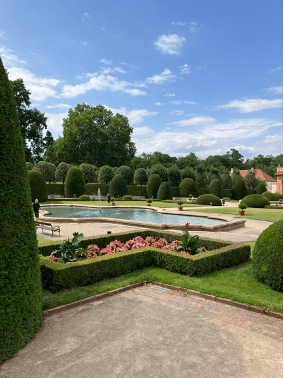
Nice gardens too.


 What's in a Prague street name
Leave a comment