Originally published on X on 28 September 2023.
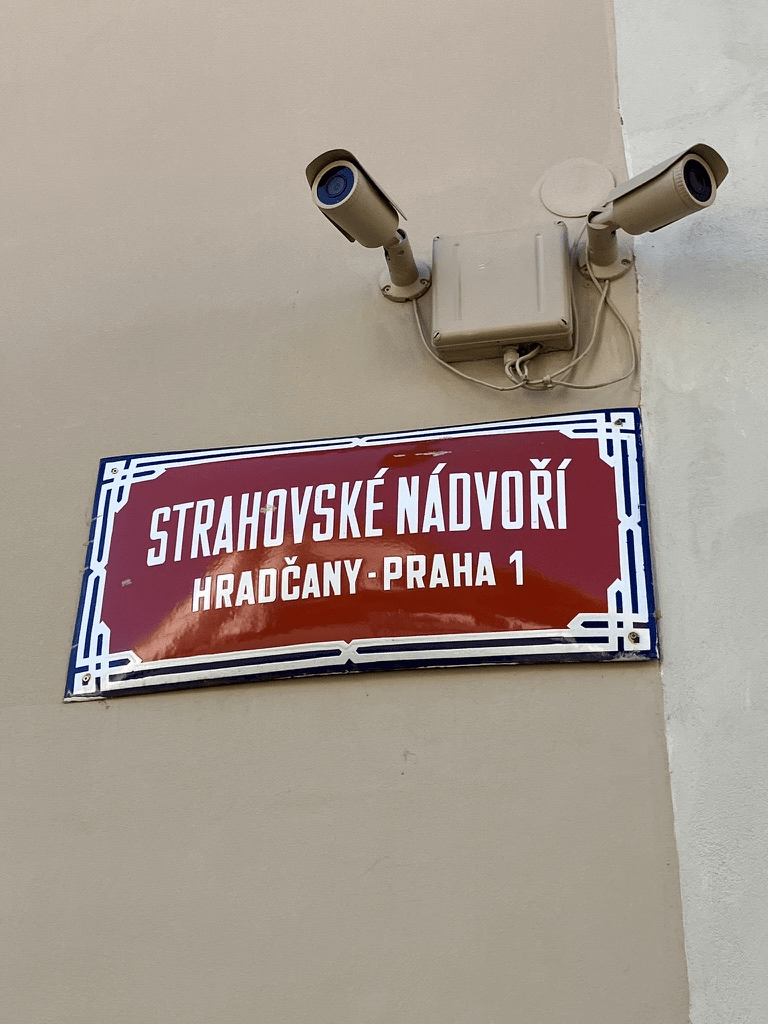
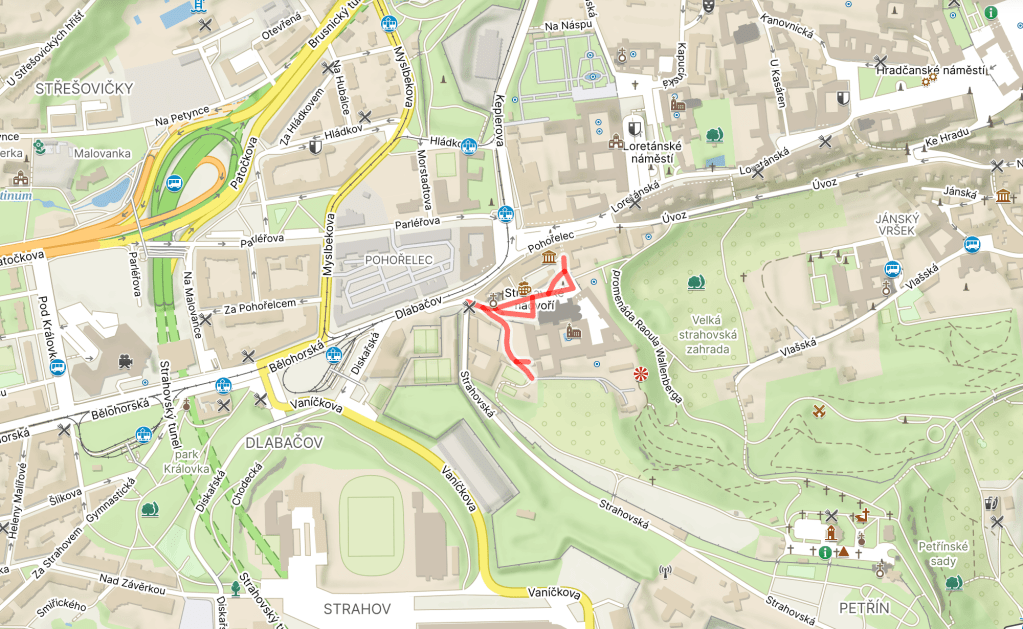
For the beginnings of Strahov, take a look at yesterday’s thread and pretend it’s 1143: https://whatsinapraguestreetname.com/2024/09/08/prague-1-day-29-strahovska/.
A little bit of tribute should also be paid to Jindřich Zdík, bishop of Olomouc from 1126 to 1150, who was as instrumental in founding the monastery as Vladislav II was.
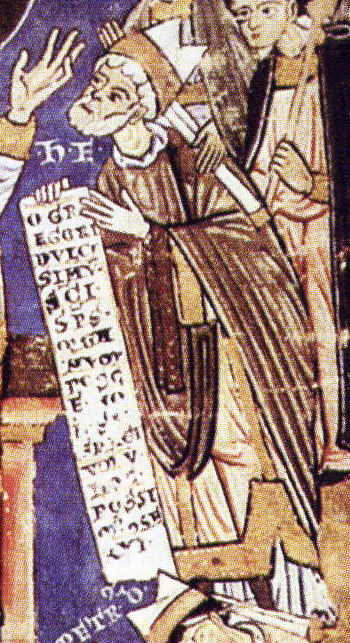
The first inhabitants of the monastery were Premonstratensian monks from Steinfeld (now in Germany on the French border). The Premonstratensian order is named after its place of origin, Prémontré, in Northern France.
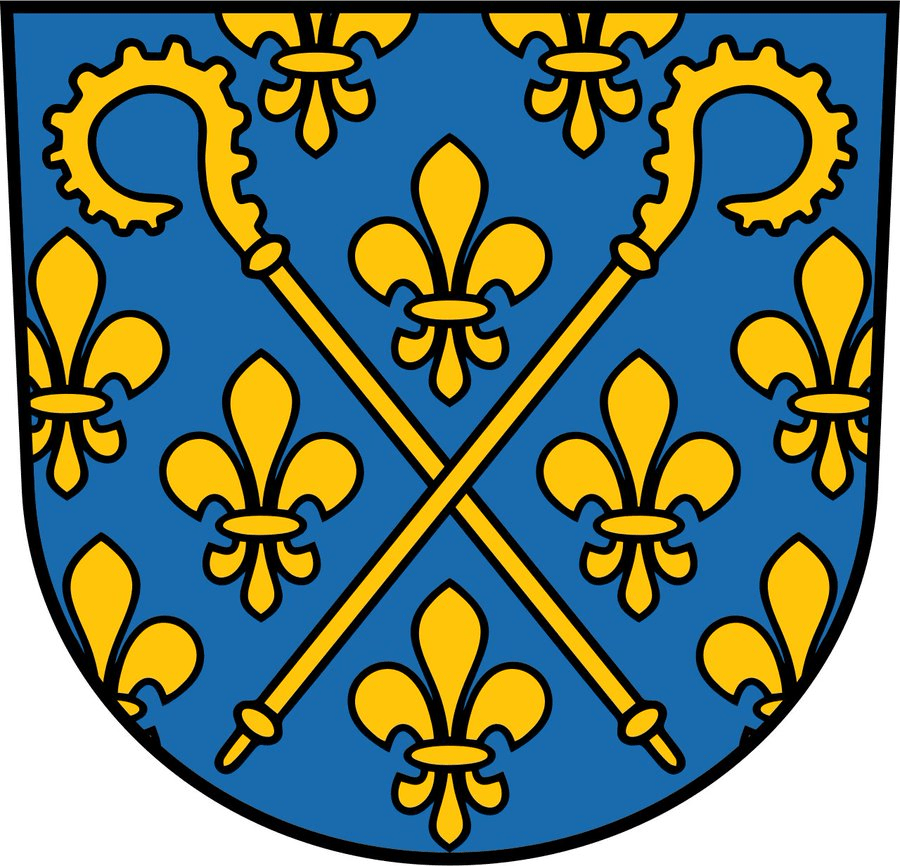
The remains of their founder, Norbert of Xanten, who died in 1134, would be transferred to Strahov five centuries later.
(He’s on Charles Bridge too)
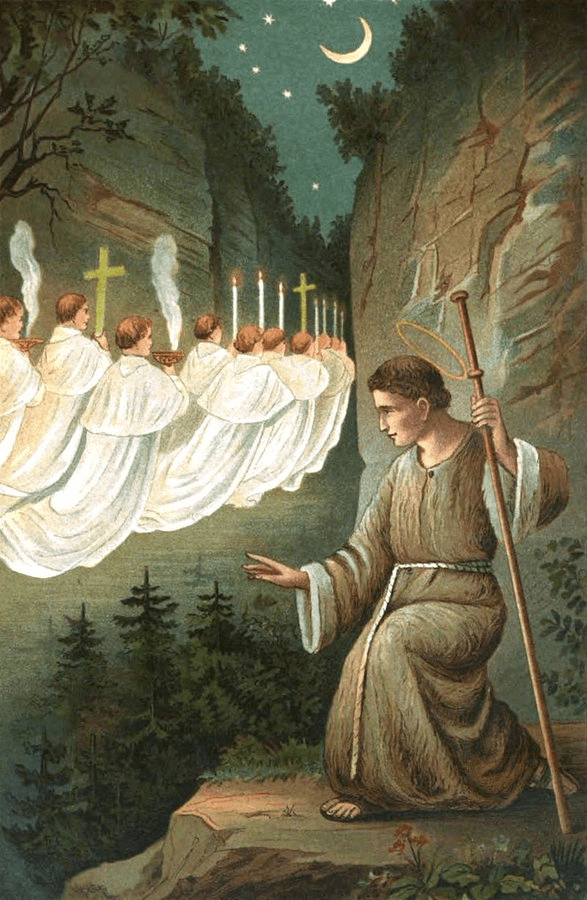
The 1140s version of the monastery was made of wood; by the end of the century, it was replaced by a stone version.
Much like every third building I mention in these posts, it suffered extensive fire damage in 1258, and again in the 1300s, and, in the 1420s, got treated with all the respect and care that you would expect of the Hussites.
It wasn’t given a proper reconstruction until the early 1600s, only for the Swedes to ransack it and take much of the library with them in 1648. In the 1670s, architects Giovanni Domenico Orsi and Jan Baptista Mathey saw to its reconstruction.
Strahov’s monks survived Joseph II’s reforms in the 1780s, but the communists eventually closed it down in 1950, and sent many of the monks to concentration camps.
Restoration, and a reopening, would occur in 1992-3.
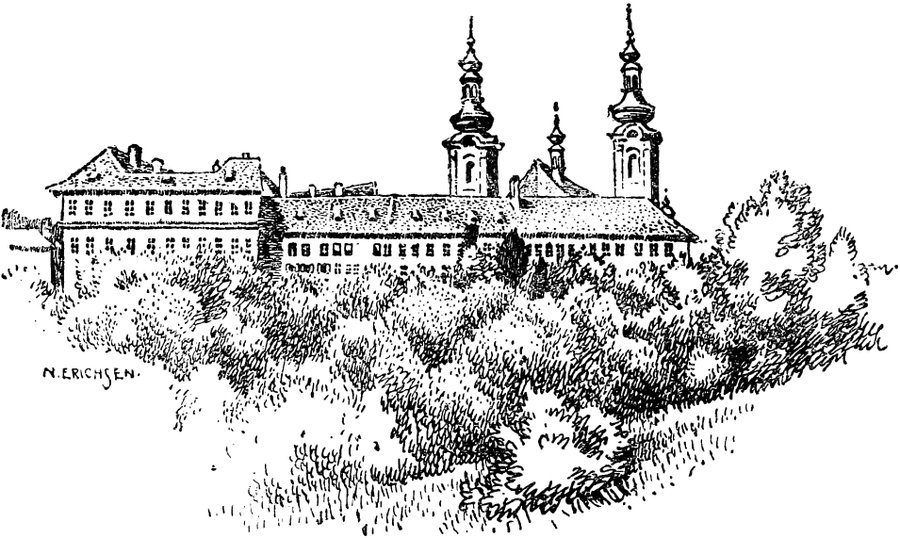
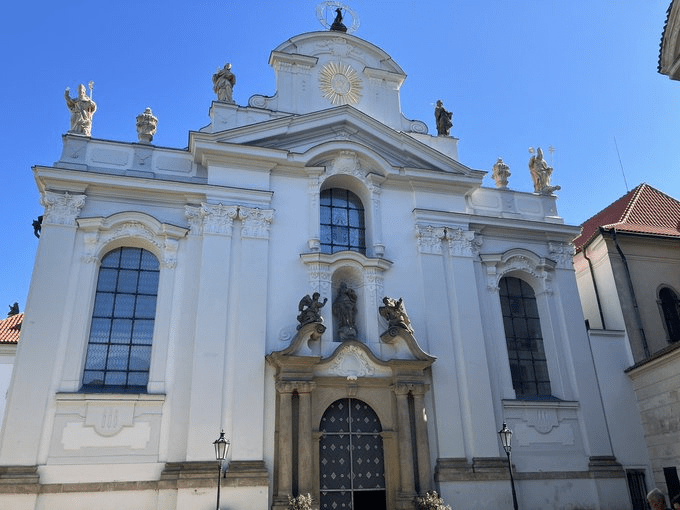
One highlight of Strahov is the Basilica of the Assumption of the Virgin Mary (Klášterní bazilika Nanebevzetí Panny Marie), whose current, baroque form was designed by Italian architect Anselmo Lurago following damage caused by French and Prussian bombardment in 1742 & 1751.
Their YouTube channel does a good job of publishing some of its services:
The Church of St Roch is impressive too, and the whole courtyard is nice and (relatively) quiet.


But what Strahov is really famous for is its library, completed in 1783 and housing a pretty mind-blowing 200,000 books.
Proving that Strahov doesn’t do small numbers, its gallery includes 1,500 paintings from the 14th to 19th centuries.
Reviews of the library online highlight how beautiful it is, but also that the tour is quite short and doesn’t allow you to see very much of it. So here’s a 3D tour instead: https://strahovskyklaster.pano3d.cz
Pretty stunning even from a Mac.
The reason for the tour not being everything people might want it to be? The books need a special microclimate in order to stay in good condition, and your breath is not part of that microclimate.

 What's in a Prague street name
Leave a comment