Originally published on X on 30 September 2023.

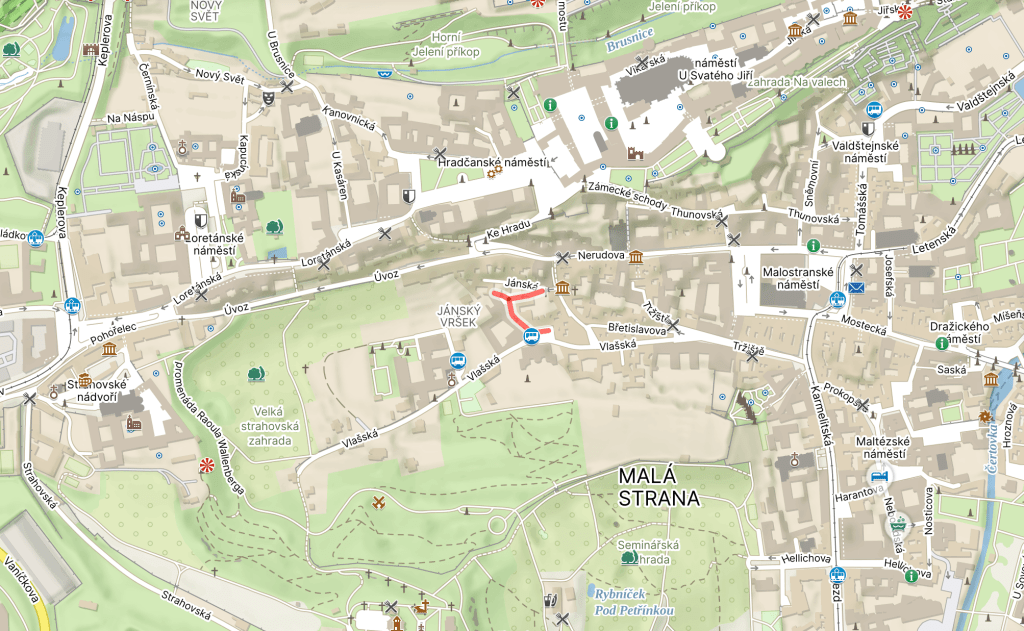
Once upon a time, there was a Renaissance house in this street, owned by, amongst others, the House of Martinice, a noble family who claimed to have originated from the ancient Vršovci clan.
A descendant of that family, Heinrich Clam-Martinic, would end up being one of the last Prime Ministers of the Austro-Hungarian Empire (he held the position for six months from 1916 to 1917).

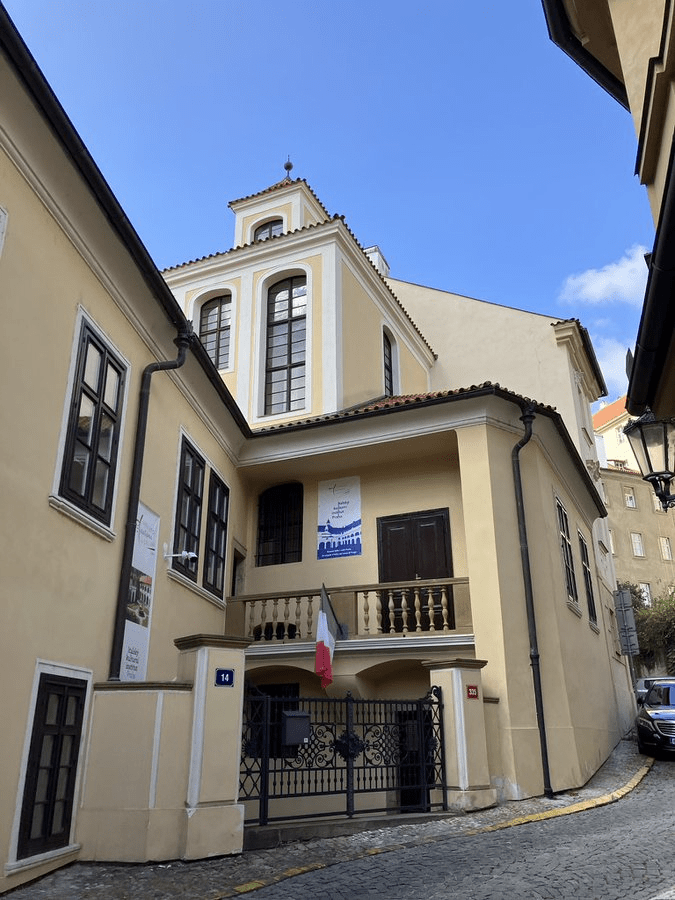
Later in the 17th century, the house was given a Baroque makeover, followed by an even more significant one in 1723-6.
The book I have in front of me says the building was owned by one Count Johann Karl von Sporck (1722-1790), and has been known as Šporkův palác ever since.

I have no reason to refute this, but it’s interesting that the blue plaque in the first post refers to František Antonín hrabě Špork / Franz Anton von Sporck (1662-1738), who I assume was a relative but haven’t been able to work out exactly which one.
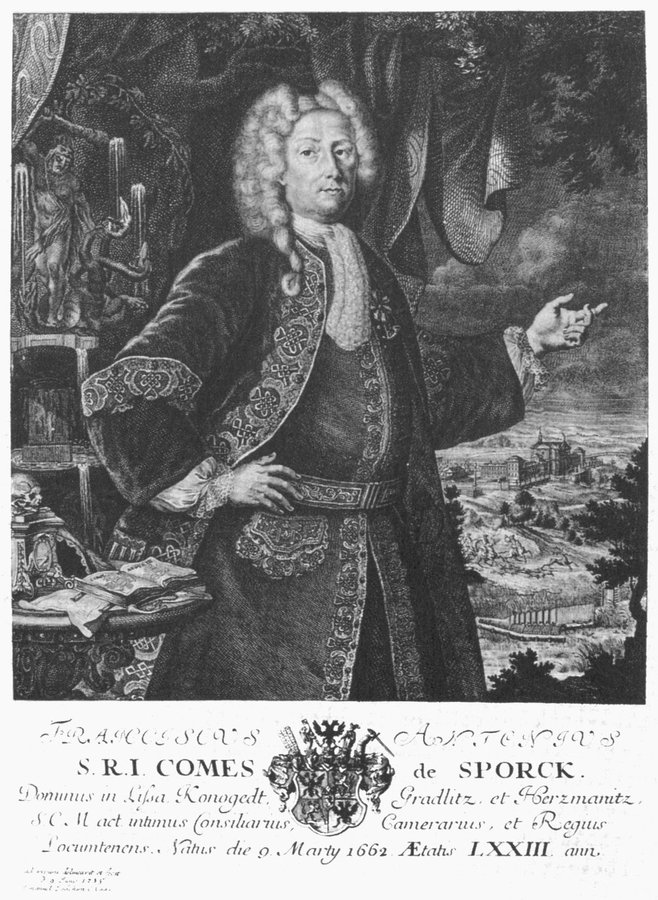
We do know that Franz Anton was a big deal, though, largely thanks to the Habsburgs and their insistence on dispossessing Protestants and giving their property to Catholics instead after Bílá Hora (1620).
He inherited enough properties from his family to be able to acquire the village of Kuks (near Hradec Králové) and turn it into a properly Baroque spa resort (largely destroyed by a flood in 1740).

Heading back to Prague 1, Šporkův palác became the property of the Congregation of the Sisters of Mercy of St. Charles Borromeo in the late 19th century – and still is.

Just next door is the Vlašský špitál, which is best explained by pointing you back to yesterday’s https://whatsinapraguestreetname.com/2024/09/08/prague-1-day-31-vlasska/. Fittingly, this is now the location of the Italian Cultural Institute.

 What's in a Prague street name
Leave a comment