Originally published on X on 11 October 2023.
We’re very much in ‘your friends and family who only visited Prague once have walked along here’ territory now.


Jan Nepomuk Neruda was born on Újezd in Malá Strana in 1834. Four years later, his dad opened up a shop at U Dvou slunců (The Two Suns) on Ostruhová street – which is today’s Nerudova.
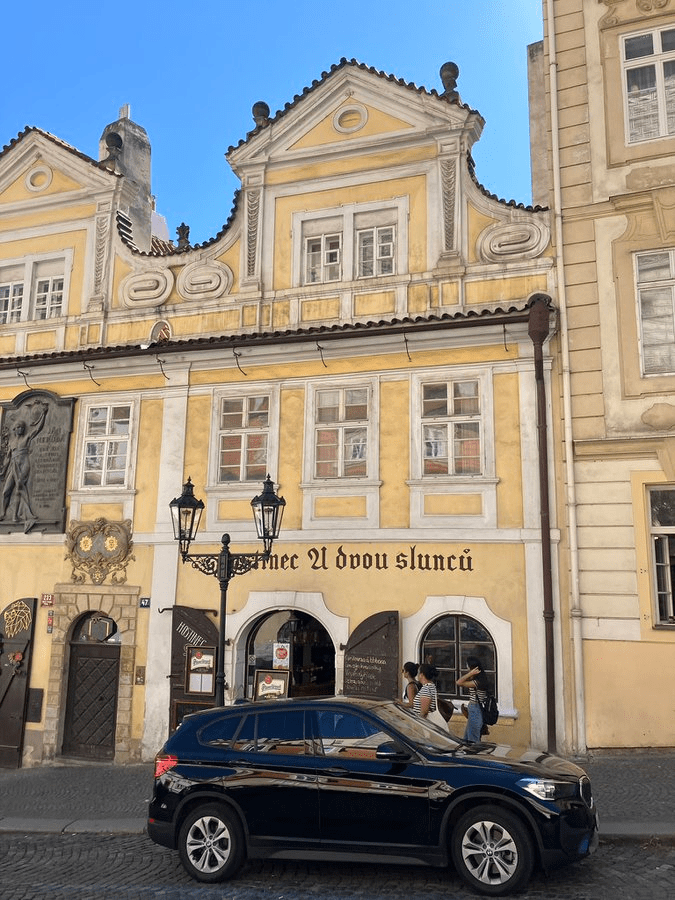
An ostruh is a spur – and these were produced on the street once upon a time.
He and his mother moved to another house on the street, U tří černých orlů (Three Black Eagles), when his father died. Neruda would live with her until her death in 1869.
Quitting his law studies, he started to work for local newspapers, writing for, amongst others, Tagesbote aus Böhmen, Prager Morgenpost, Čas and Hlas (being a member of the editorial staff at the latter two).
In 1858, the Májovci – a group of writers taking their name from Karel Hynek Mácha’s poem Máj (https://whatsinapraguestreetname.com/2024/07/07/prague-2-day-62-machova/) – published their first almanac. Nerudova was one of the key contributors.
When Hlas merged with Národní listy in 1865, Neruda became the resident columnist. His columns on Prague society would lead to a five-volume series of books, Fejetony (volume four was actually about Paris, and volume five was also about his travels).
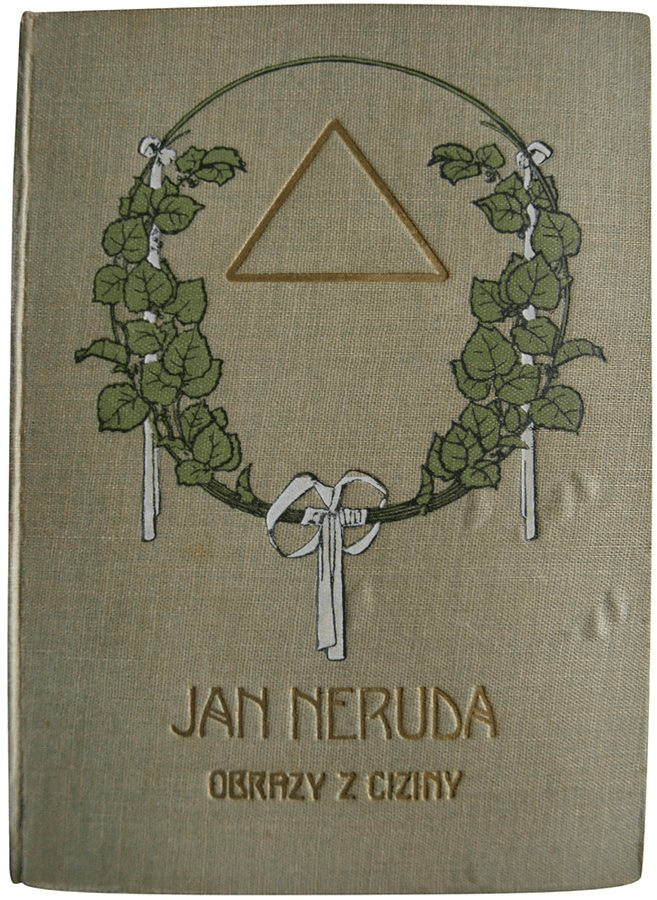
He also wrote poetry which largely fell on deaf ears until a couple of decades after his death, translated Hungarian works into Czech, and was an avid collector of coins.
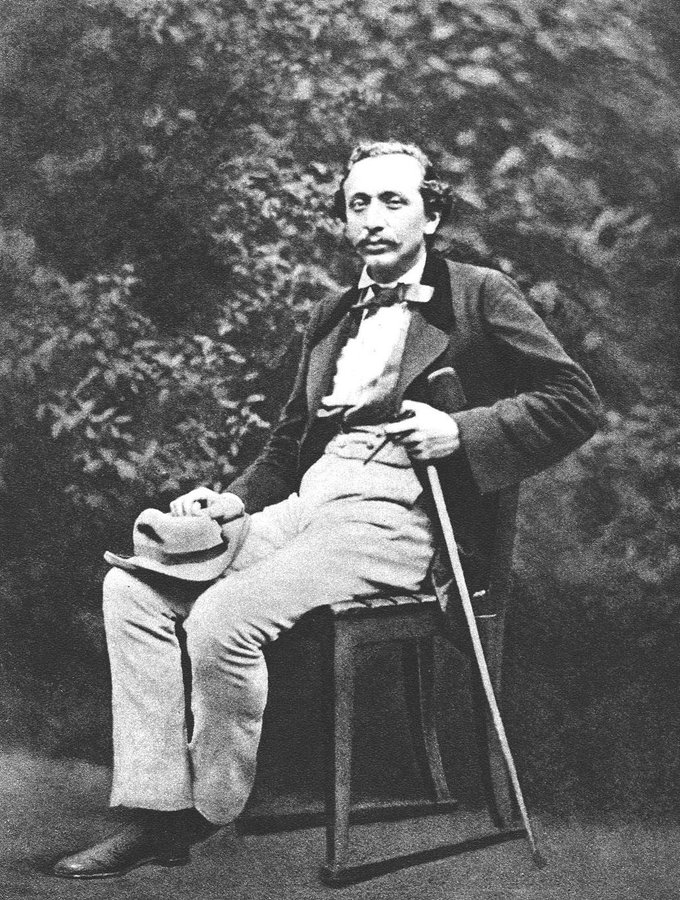
Sadly, his columns also betray significant anti-Semitism, which may be one reason why, when the Nazis occupied Bohemia and Moravia, they changed the German name of the street but kept the Czech one as it was.
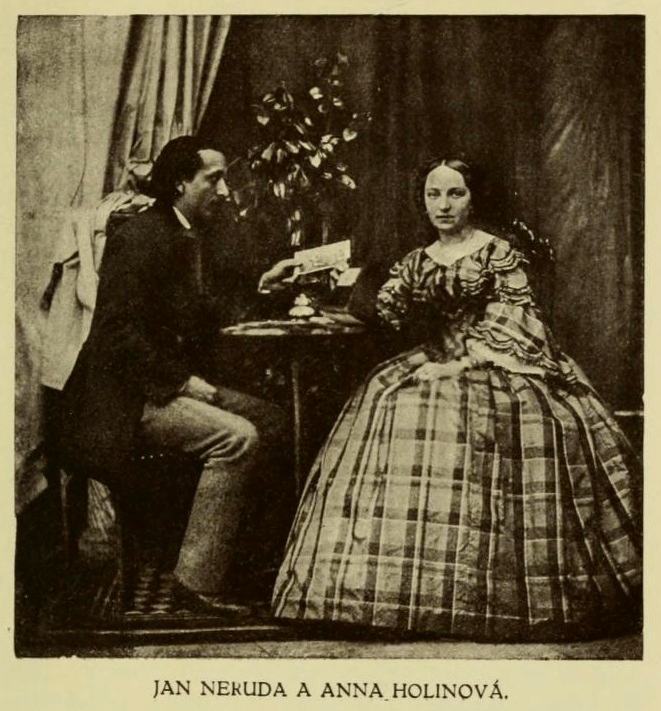
Neruda never married (he’s pictured with his first love, Anna Holinová), struggled financially for much of his life, and developed both misanthropy and an addiction to alcohol.
In 1888, he slipped on ice and shattered his kneecap, and, while he continued to write for Národní listy, he worked exclusively in *puts on best Czech accent from March 2020* home office mode after that.
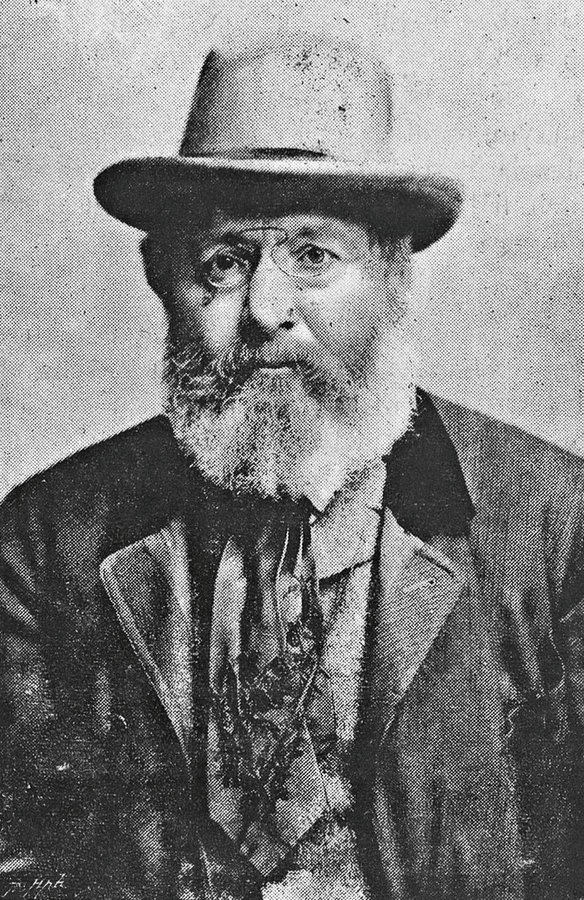
He died in 1891, aged 57, and is buried at Vyšehrad.
Here is one of his most famous poems, put to music by Radůza in 2007:
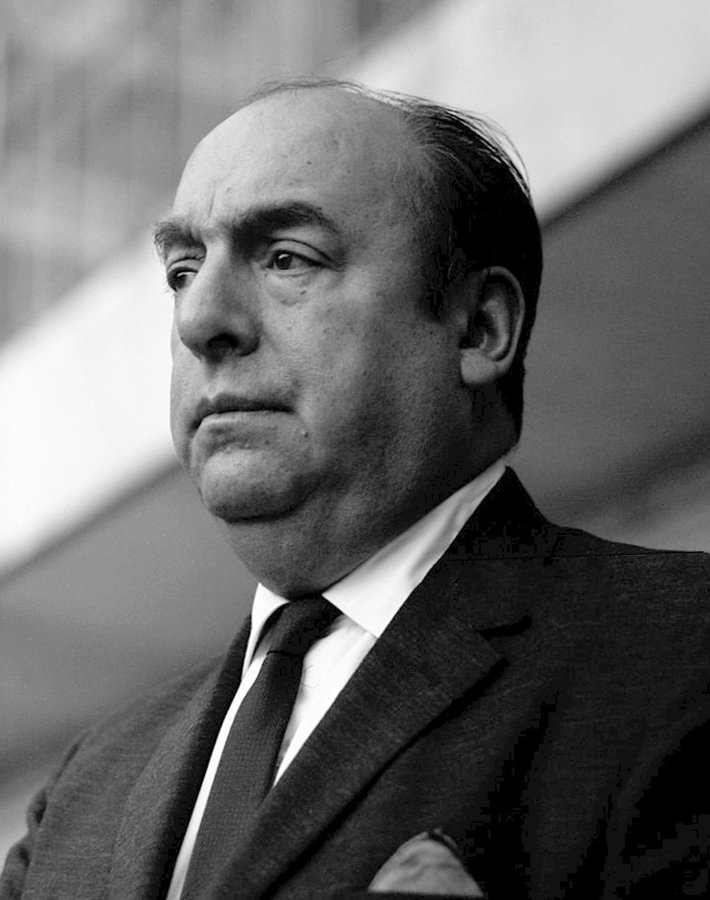
Many believe that Nobel Prize-winning Chilean poet Pablo Neruda chose his pseudonym after Jan Neruda, but I wonder how likely it is that the latter’s work would have been available in translation in Chile prior to the former adopting the name pseudonym around 1920.
In the ‘houses on Nerudova that Neruda didn’t live in’ corner, Bretfeld Palace (no. 35) used to be a social centre, where its founder (and rector of Charles University), Josef Bretfeld (1729-1820), welcomed, among others, Wolfgang Amadeus Mozart and Giacomo Casanova.

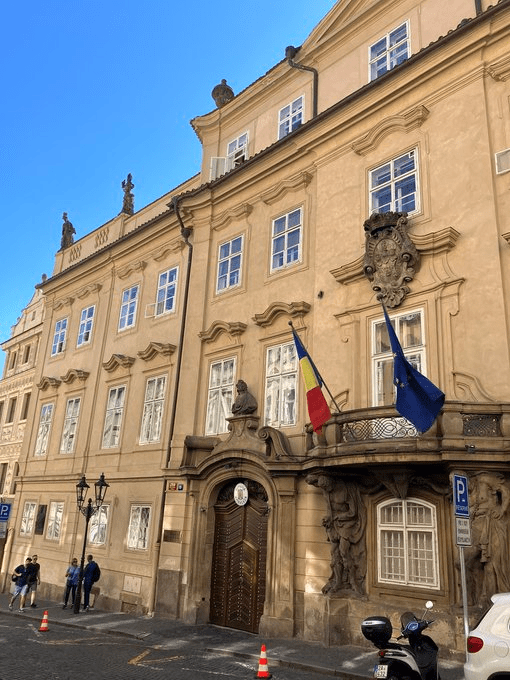
Morzin Palace, at number 5, has hosted the Romanian Embassy since 1925, and includes a plaque to Michael the Brave / Mihai Viteazul, one of the country’s greatest national heroes.

And just opposite, Kolovrat Palace has hosted the Italians since 1924 (1924-5 clearly being big years for embassy-founding).

I read that the interior is kind of buggered by recent renovations, but I don’t have photographic evidence.
Kinský Palace, at number 15, was owned by the Ministry of Defence in the late 20th century, and now acts as accommodation for members of parliament.

Žižkov had its own Nerudova running concurrently with this one until 1947: https://whatsinapraguestreetname.com/2023/01/14/prague-3-day-136-jezkova/.

 What's in a Prague street name
Leave a comment