Originally published on X on 22 October 2023.


Albrecht Václav Eusebius z Valdštejna – usually called Albrecht von Wallenstein in English texts – was born in the Heřmanice Fortress, near Jaroměř, in 1583.
His father was a nobleman who had fallen on hard times, and, by the age of eleven, Albrecht had become an orphan and had to go and live with his mother’s side of the family.
In 1600, Albrecht quit his studies, with a list of achievements including getting involved in brawls, nearly beating his servant to death, and allowing a local murderer to escape.
He went travelling around Europe and continued his studies in Italy.
Returning to Bohemia, he fought in the army of Emperor Rudolph II, and converted to Catholicism, possibly realising, in these Counter-Reformation times, that being a Catholic would be more useful career-wise than being a Protestant.
In 1609, Valdštejn married a wealthy young widow, Lucretia of Víckov, whose first husband had owned Holešov, Lukov, Rymice and Vsetín – all of which passed to Valdštejn when she died in 1614.
So rich that he was able to employ 200 horsemen, he allowed Ferdinand of Styria – later Ferdinand II – to use these in the Friuli War against Venice in 1617.

The Estates Uprising in Bohemia would break out in the following year; the Estates didn’t want Ferdinand as their king, and elected Frederick V of the Palatinate instead.
In 1619, the rebel Estates seized Valdśtejn’s lands; he would recover these in 1620, as a reward for his faithfulness to Ferdinand, and his contribution to the Battle of Bílá Hora (he didn’t fight himself, but his cuirassiers, hired from the Netherlands, did).
Also gaining properties confiscated from Protestants, Valdštejn inherited the estate of Frýdlant in 1625, and, from 1627, practically ruled this as a separate country, the Duchy of Frýdlant, with its own noblemen and its own coins.
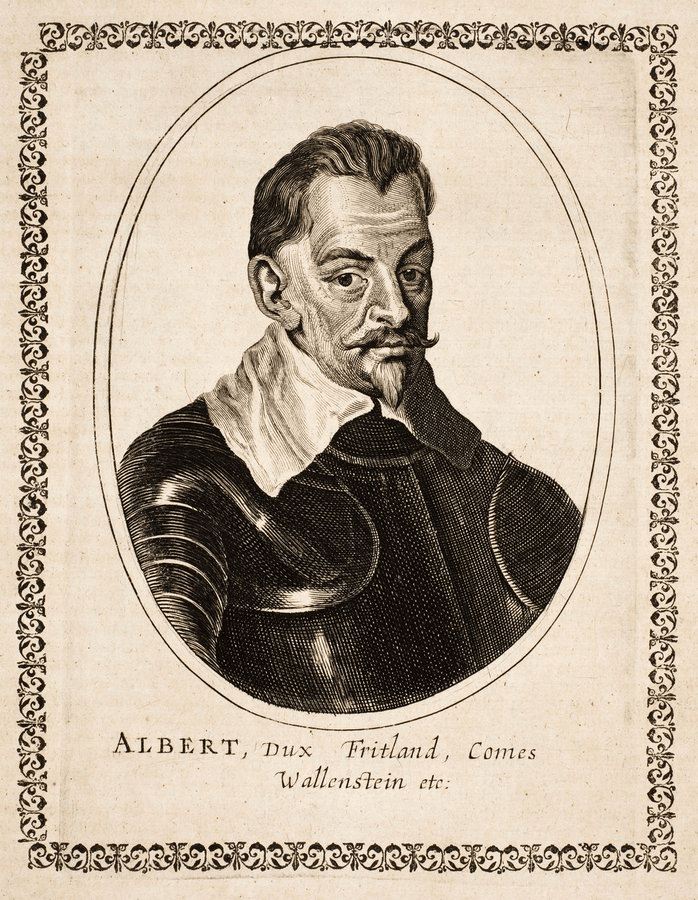
Setting up his capital in Jičín, Valdštejn would also see to that city’s development (https://whatsinapraguestreetname.com/2023/02/26/prague-3-day-158-jicinska/).
By 1625, Valdštejn’s wealth was so great that he was able to not only make loans to Ferdinand II, but also provide him with an entire army, eventually consisting of about 50,000 men.
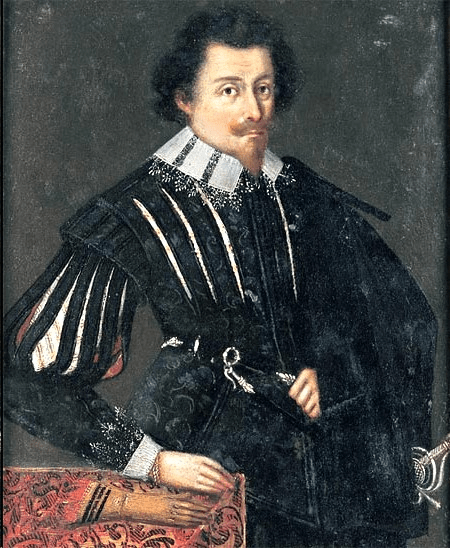
While Valdštejn had multiple successes in the Thirty Years’ War (and presumably made himself hugely hated amongst the Poles, Swedes, Danes and Germans in the process), Ferdinand suspected that he wanted to take over the entire Holy Roman Empire, and dismissed him in 1630.
It would be all of two years before Valdštejn’s services were required again, though, but, in 1633, Valdštejn decided to turn against the Habsburgs, and entered into negotiations without them with the enemy (incl. Saxony, Sweden, Brandenburg and France).
In February 1634, Ferdinand signed a patent, ordering that Valdštejn be removed; he was charged with high reason in the same month.
Hoping to meet up with the Swedes, who he had been making overtures to, and thinking he’d be safer the further he was from Prague, Valdštejn escaped from Plzeň to Cheb on 23 February.
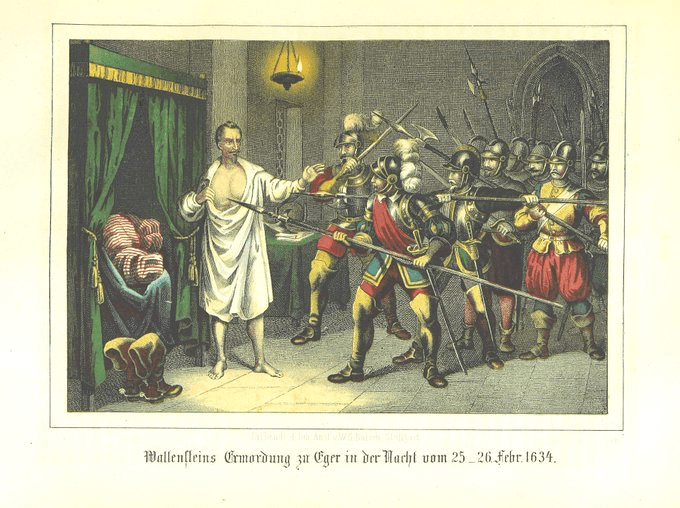
However, two days later, he was assassinated by some Scottish and Irish officers in his force (showing just how pan-European the Thirty Years’ War had become).
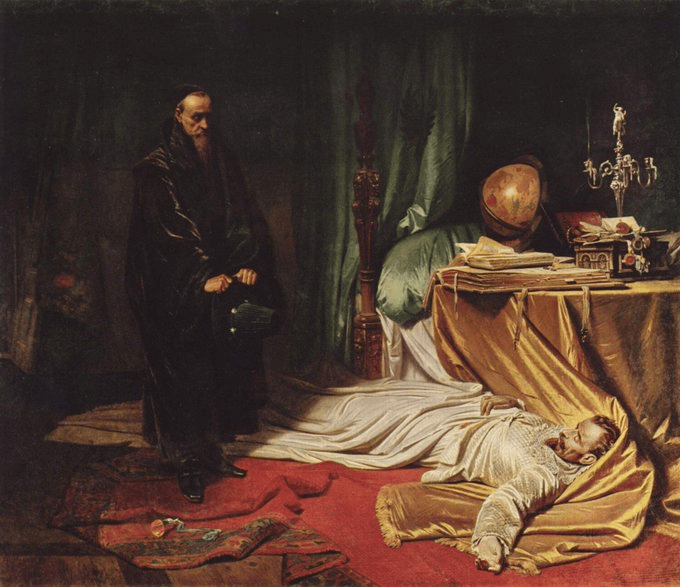
A trilogy of plays by the German writer Friedrich Schiller (1759-1805) – Wallensteins Lager, Die Piccolomini, and Wallensteins Tod – are commonly known as Wallenstein.


They were on my suggested reading list at university; I never read them. Proof, once again, that we should all do our undergrad degrees twenty years later than we do.
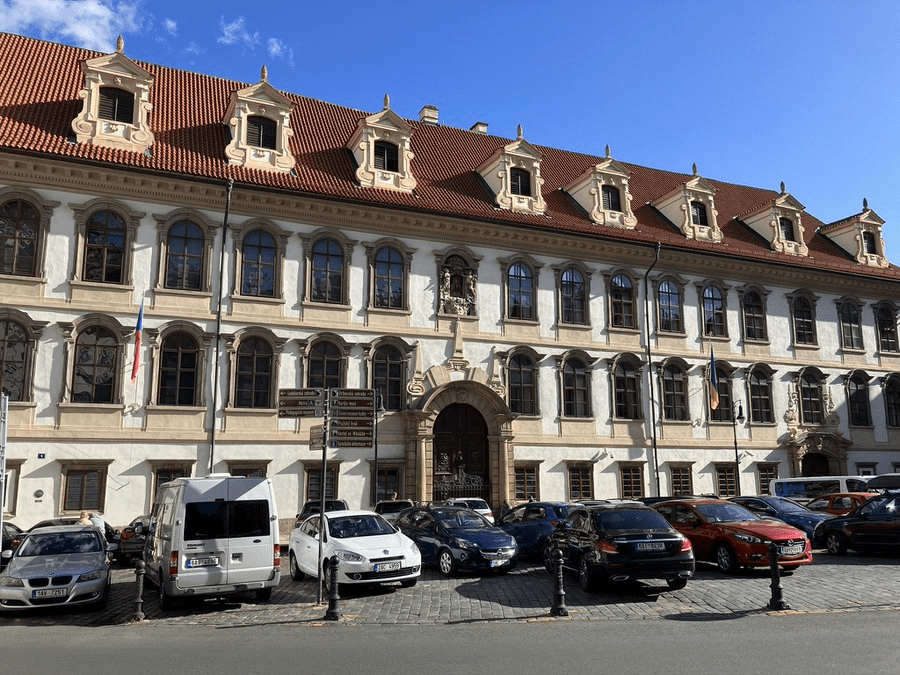
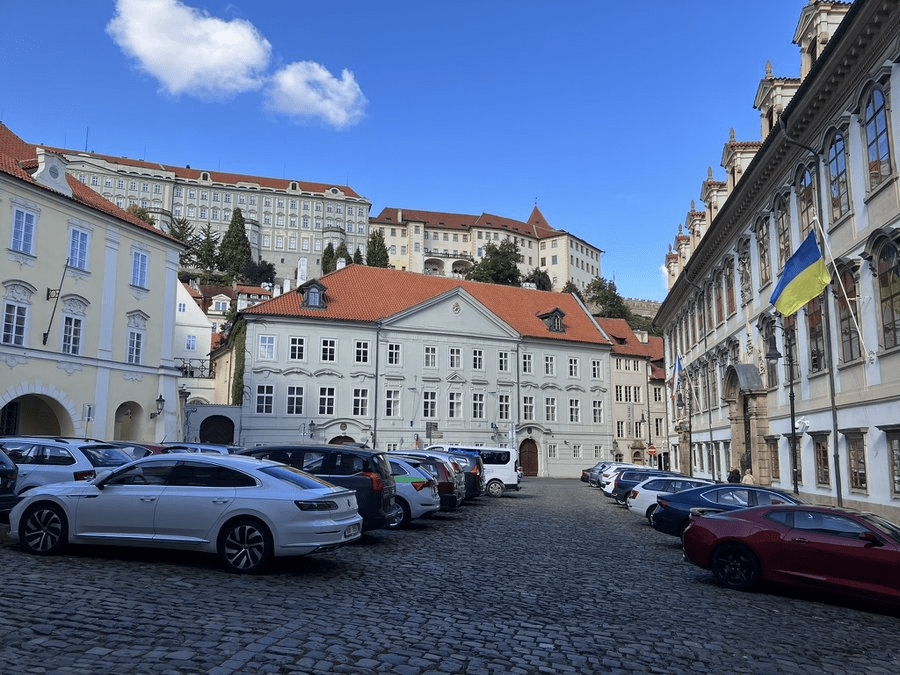
On the square, Wallenstein Palace was commissioned by Valdštejn in the 1620s, and would remain in the family’s hands until 1945. It now hosts the Czech Senate.
The Aueršper Palace, at number 1, was built in the late 17th century. It’s now used by the Czech Parliament, which seems to have access to more buildings than even Valdštejn did.
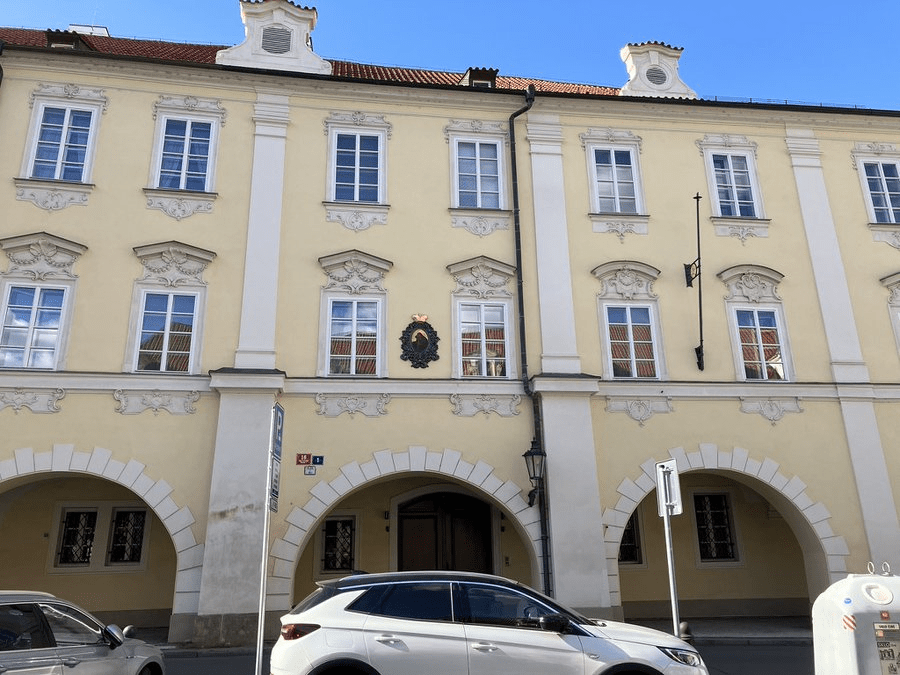
While Ledebour Palace, at number 3, was created in the 1600s after the merger of five individual houses. In communist Czechoslovakia, it hosted the Ministry of Information; it now hosts the National Monument Institute, which aims to preserve monuments across the country.

 What's in a Prague street name
Leave a comment