Originally published on X on 30 October 2023.

Adolf Kosárek was born in Herálec, near (Havlíčkův) Brod, in 1830, and went to school in Kutná Hora before working as a clerk.
He did drawing and painting in his spare time, eventually attracting the attention of Friedrich Prince zu Schwarzenberg, who had become Archbishop of Prague around the same time (approximately 1850).
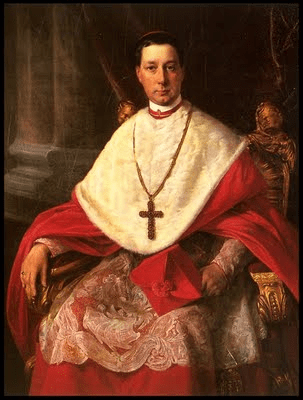
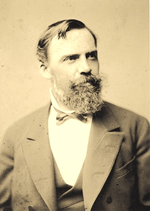
Schwarzenberg provided financial support which helped Kosárek to enrol at the Prague Academy of Fine Arts. Kosárek excelled here, particularly in landscape painting classes taught by Max Haushofer (pictured).
In 1855, Kosárek opened a studio on Valdštejnská (https://whatsinapraguestreetname.com/2024/09/08/prague-1-day-47-valdstejnska/). He would eventually get engaged (and married) to the landlady’s daughter, Františka.
However, he never became rich from his paintings, which tended to get sold for low sums. It seems that his hard work and financial difficulties ultimately took a toll on his health.
In 1859, about a year after getting married, Kosárek died of tuberculosis. He was 29.

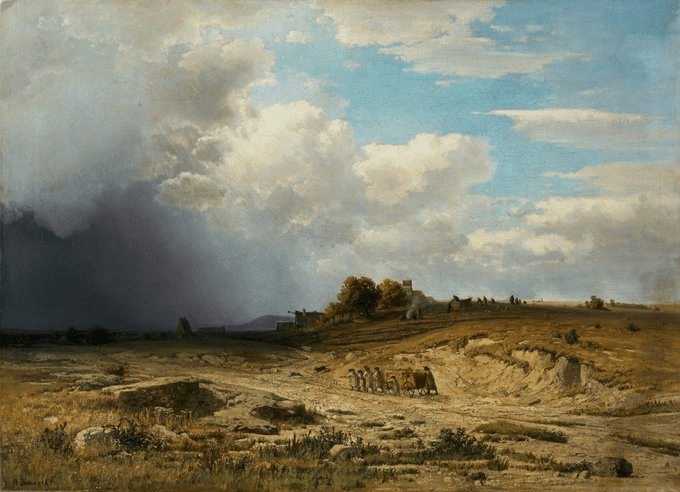
It would take until 1924 for an exhibition entirely devoted to his works to be held, but, nowadays, Kosárek is regarded as the father of Czech landscape painting.
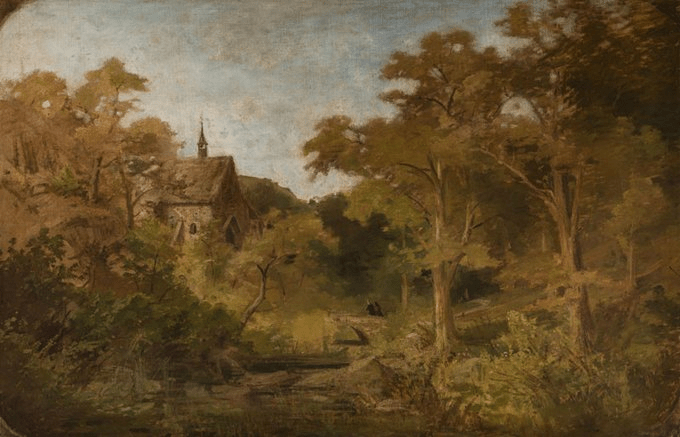
Here you have ‘Lonely Landscape (Peasants; Wedding)’, ‘Autumn landscape near Pardubice’, ‘Chapel in the Woods’ and ‘Landscape with a wagon with a white sail’.


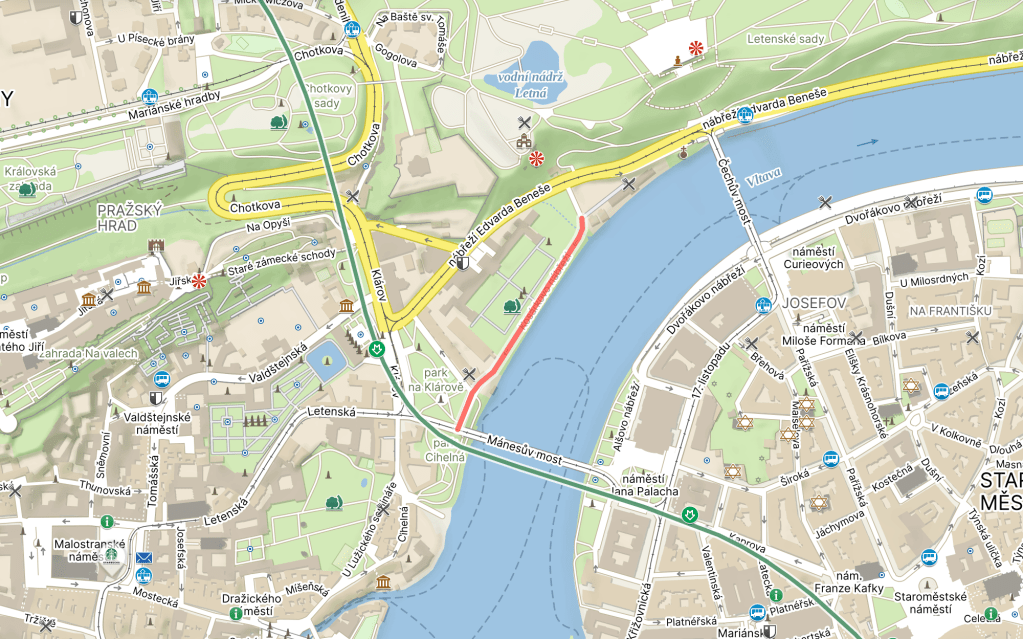
The street was originally called ‘U Vltavy’, before being renamed ‘Strakovo nábřeží’ in honour of Jan Petr Straka and the Strakov Academy (on https://whatsinapraguestreetname.com/2024/09/08/prague-1-day-53-nabrezi-edvarda-benese/). It’s had its current name since 1961.
The most well-known address in the street is possibly the half-timbered toll house (hrázděný mýtní dům), which served this purpose until 1914.


 What's in a Prague street name
Leave a comment