Originally published on X on 5 November 2023.
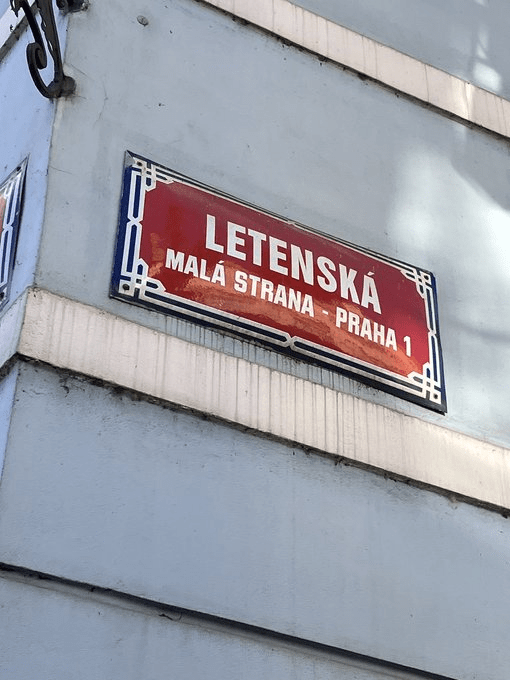
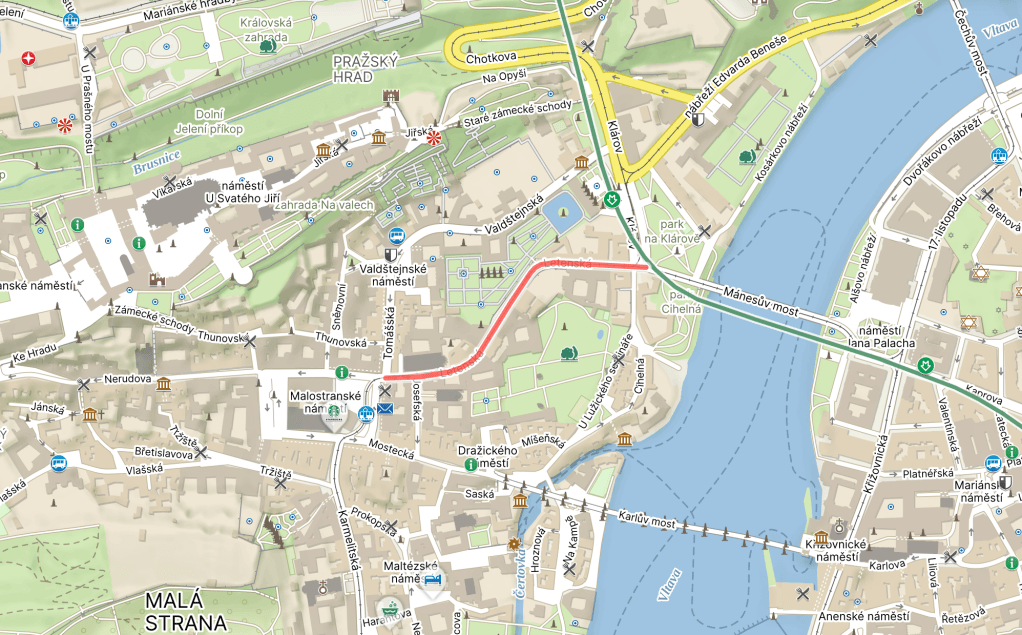
Letná, originally called Leteň, or Letná pole (Summer Fields), was originally an area of vineyards and gardens, first mentioned in writing in 1261, when Přemysl Otakar II, who had just been crowned, held a banquet there.
A future king, Sigismund of Luxembourg / Zikmund Lucemburský, would use Letná as the location of a military camp in 1420 during the Hussite Wars, starting a trend which other armies would follow for centuries.
It wasn’t until the late 19th century that Letná started to become settled to any real extent, as Bubeneč and Holešovice both expanded from opposite sides.
Letná was the scene of the first Czech electric railway (in 1891, as part of the Jubilee Exhibition), and of the first Prague cablecar (around the same time). Transport would get easier when the Letná tunnel was opened in 1953 (by which time the railway & cablecar were long gone).
Letná also became an important gathering place. It had Prague’s first racetrack, had Slavia’s first stadium, and was very well suited to anything involving the Sokols (https://whatsinapraguestreetname.com/2024/08/26/prague-2-day-114-sokolska/).
In Communist times, Letná was used to celebrate communism on 1 May; in 1989, it would be used to demonstrate against it (successfully):
And to welcome the Pope to a non-Communist Czechoslovakia in 1990 (yes, that is a nearly three-hour video):
And, in 2019, to protest against the man indirectly responsible for Schillerka’s TikTok account (this was not the subject of the protest): https://www.bbc.com/news/world-europe-48737467
I’ve kept the story of Letná fairly superficial here, as: a) I’m going to have to write posts about Letná at some point; and b) it’s actually in Prague 7, which this street is not.
Highlights of Letenská itself include the late-Baroque Windischgrätz Palace, which looks out onto Vojanovy sady (https://whatsinapraguestreetname.com/2024/09/08/prague-1-day-58-u-luzickeho-seminare/).
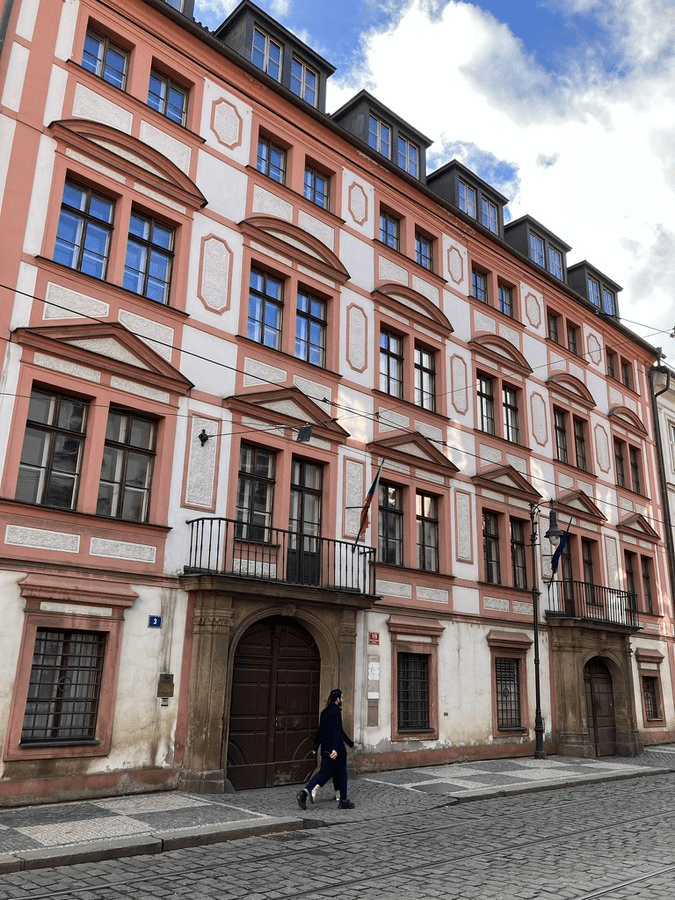
And, next door, Thurn-Taxis Palace, currently rented out to the Anglo-American University of Prague.
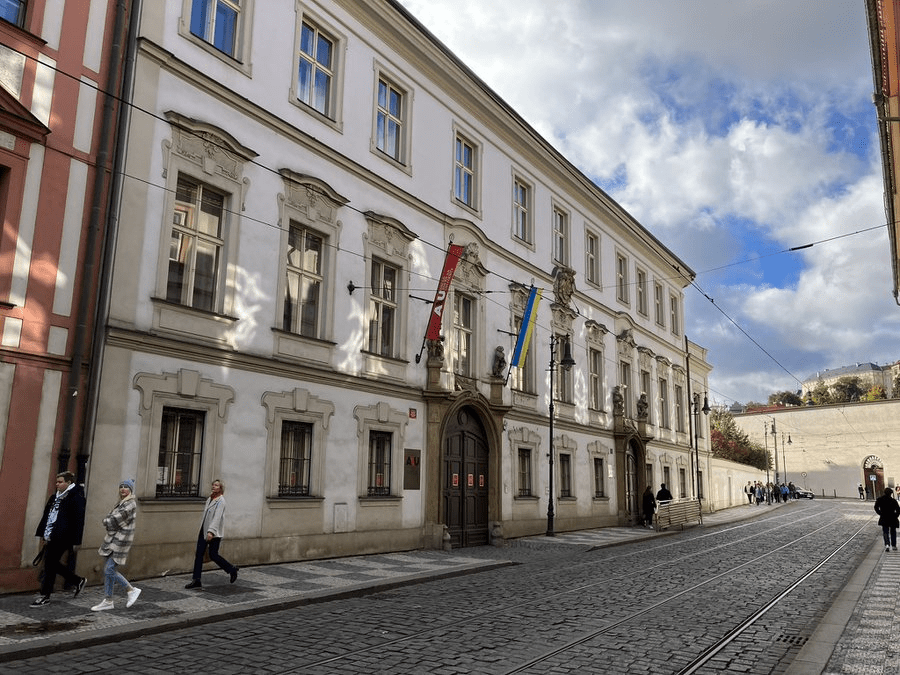
While this slightly austere-looking wall masks the Monastery of the Discalced Carmelites (more on them here: https://whatsinapraguestreetname.com/2024/09/08/prague-1-day-39-karmelitska/).
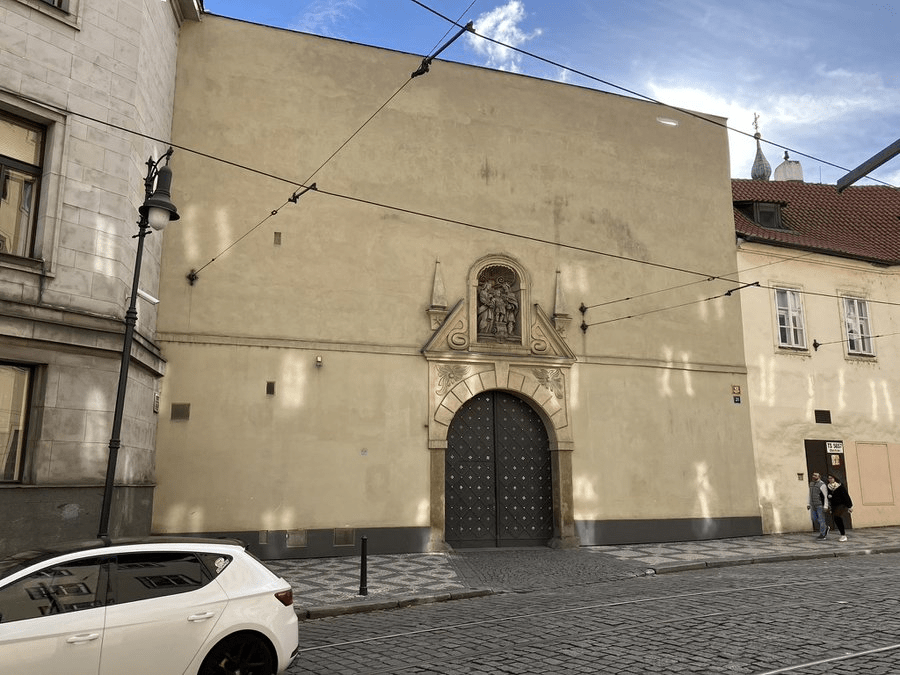
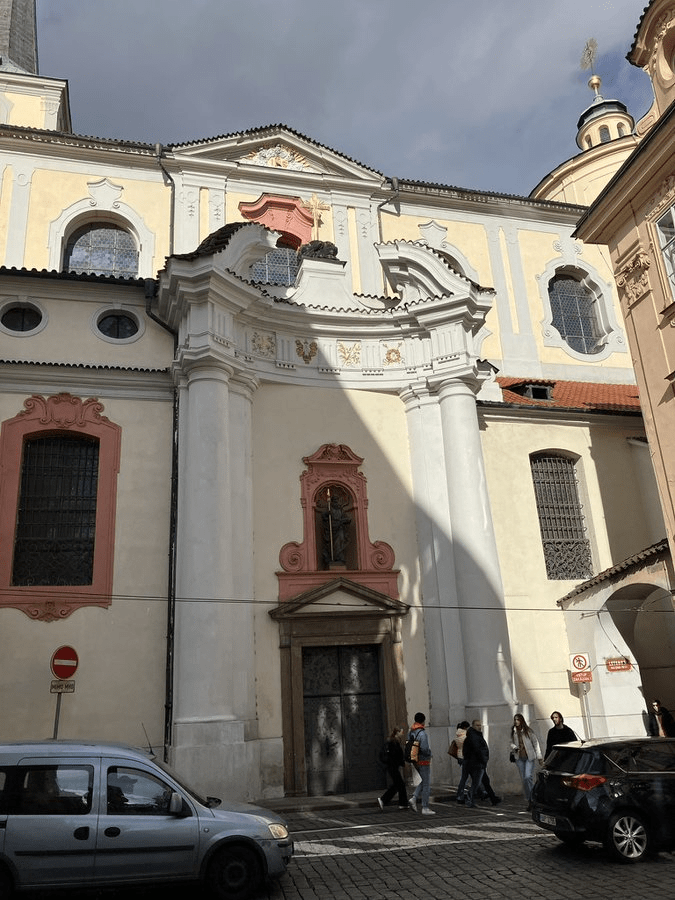
And next door is the Church of St Thomas, discussed on https://whatsinapraguestreetname.com/2024/09/08/prague-1-day-44-tomasska/.
Finally, if we’re talking about Letná, why not brighten up your Sunday with this photo of the statue of Stalin that was once there being blown up: https://commons.wikimedia.org/wiki/Category:Stalin_Monument_in_Prague#/media/File:Blowing_up_the_Stalin_Monument.jpg
Works for me.

 What's in a Prague street name

Leave a comment