Originally published on X on 20 November 2023.
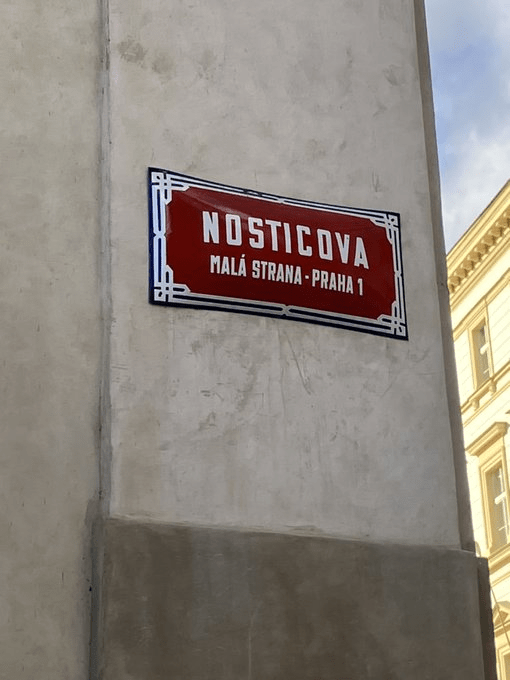

The Nostitz / Nostic family were first mentioned in 1280, originating in Upper Lusatia (now in Germany – take a look at https://whatsinapraguestreetname.com/2024/02/14/prague-2-day-28-luzicka/ for a primer).
Around 1600, the family started to make a career at the Bohemian court; their conversion to Catholicism would be useful to them, as, after the battle of Bílá Hora in 1620, they acquired a large number of formerly Protestant properties.
In 1660, Jan Hartvík of Nostic, Supreme Chancellor of Bohemia, had two houses knocked down and replaced by a Baroque palace, which was completed in 1676. The family would own the palace until 1945.

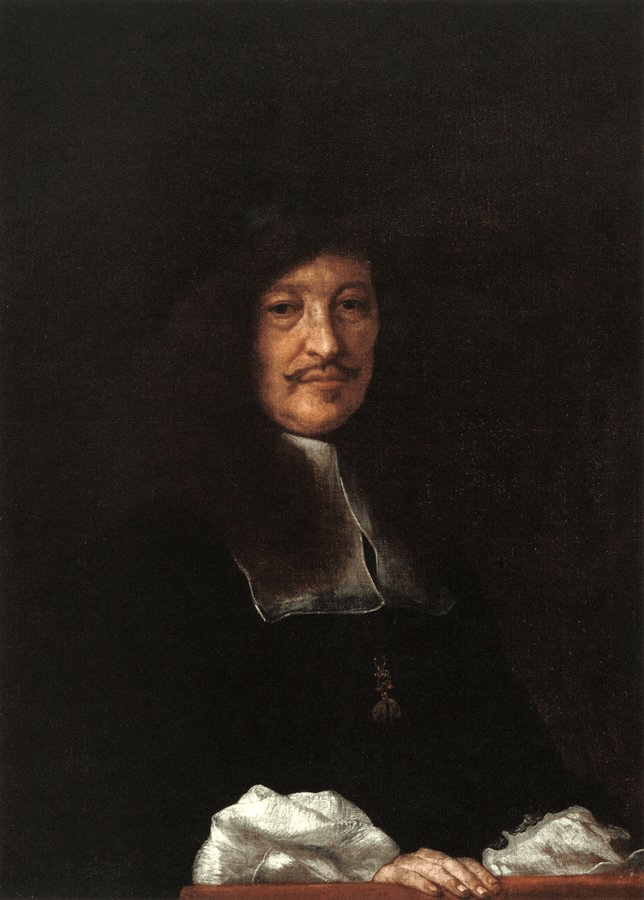
Here’s Jan, as painted by Karel Škréta (https://whatsinapraguestreetname.com/2024/02/18/prague-2-day-34-skretova/).
The Nostic family were also well-known for their art collections. Originally located in this palace, the majority of the collected works are now at the National Gallery: https://www.ngprague.cz/en/about/collections/collection-of-old-masters
In 1918, when Czechoslovakia was formed, the building was used by the Ministry of Education and Culture. Nowadays, it’s still a Ministry, but without Slovakia and without Education.

The Dutch Embassy also used part of the property until 1996 (the land of ‘how many political parties in Parliament, exactly?’ now has its embassy in Bubeneč).
If you want to go inside the Ministry of Culture, 28 September, AKA Czech Statehood Day, may be your best/only opportunity: https://www.npu.cz/cs/akce/kalendar/100755-den-otevrenych-dveri-ministerstva-kultury-2023
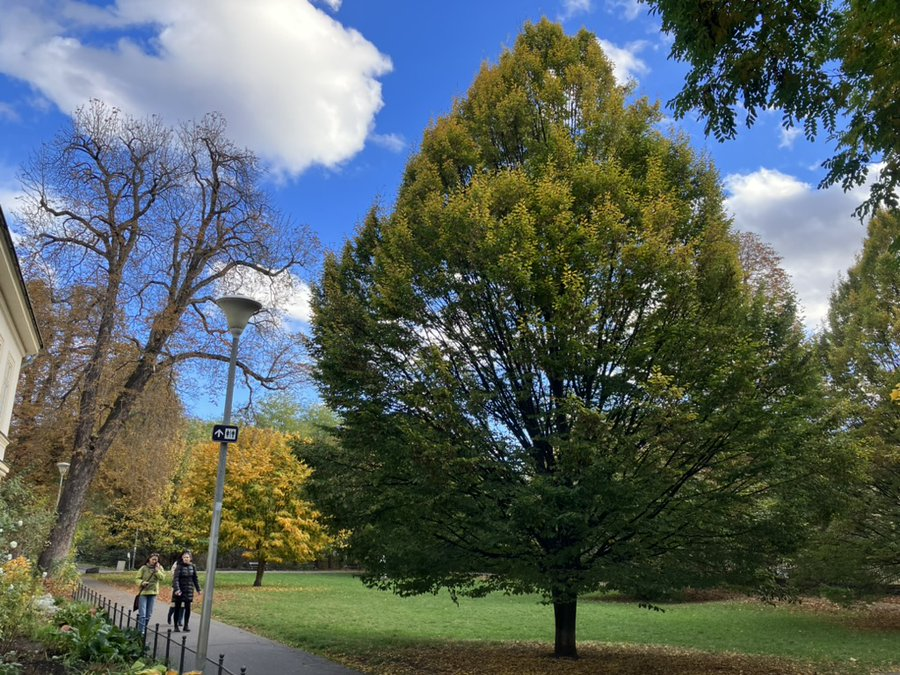
Much more easily accessible, of course, is the Nostic Garden / Nosticova zahrada, which you’ll pass through when walking from the palace to the busier parts of Kampa.

 What's in a Prague street name
Leave a comment