Originally published on X on 27 November 2023.
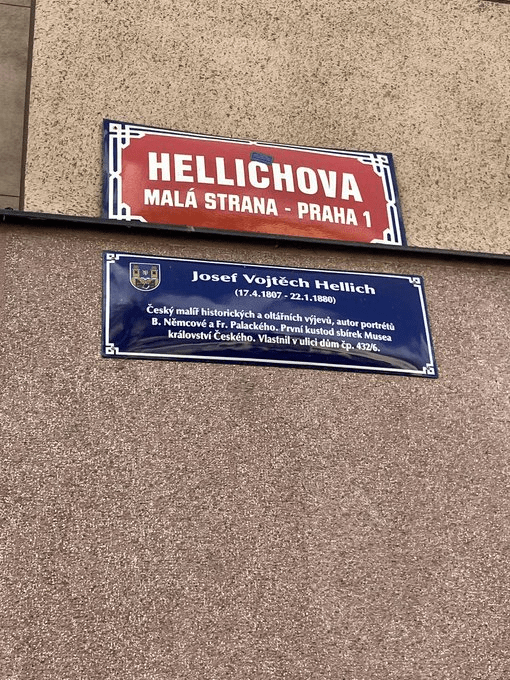
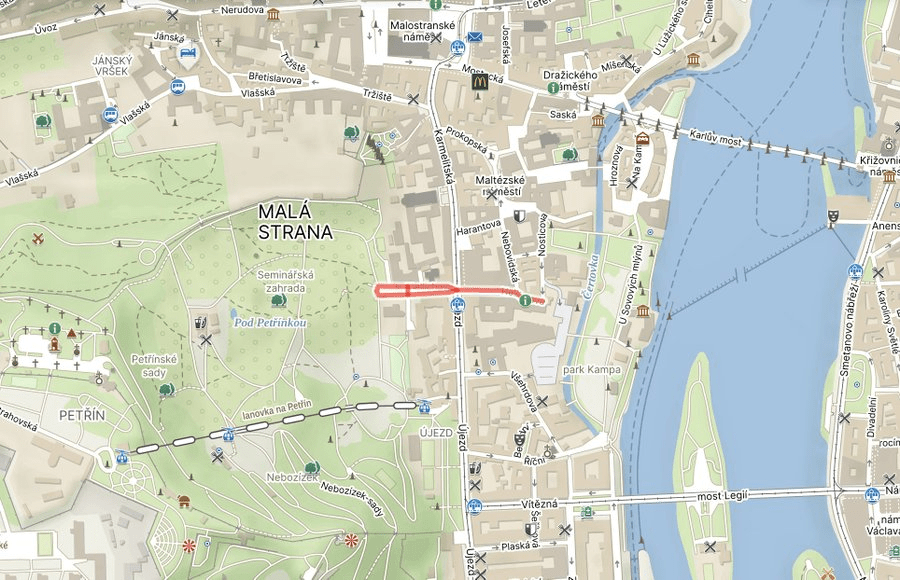
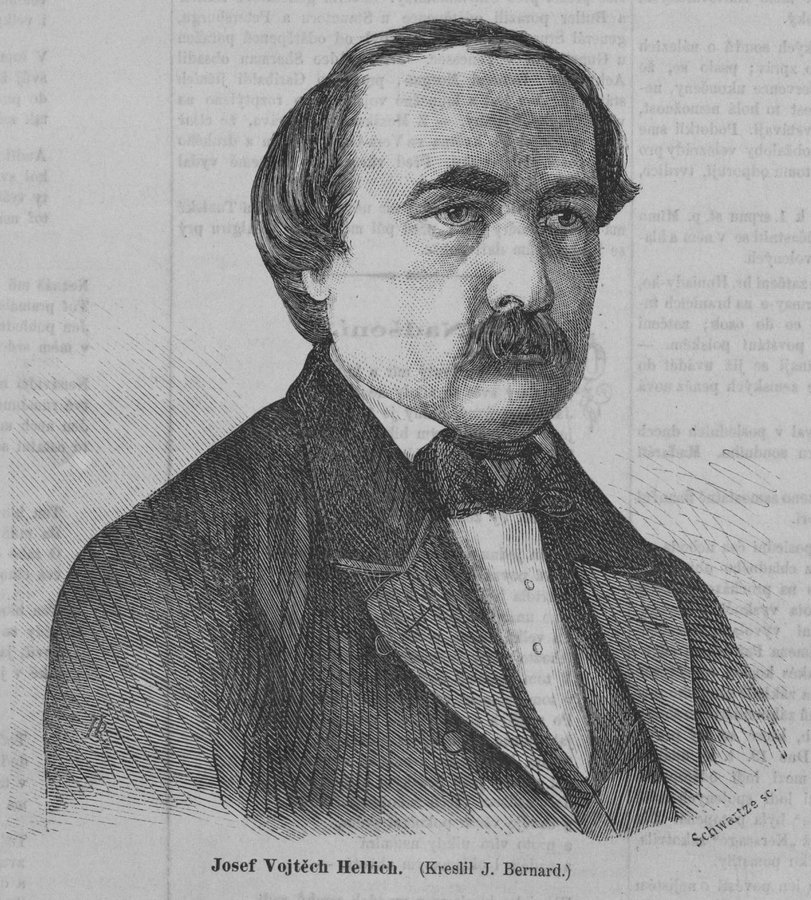
Josef Vojtěch Hellich was born in Choltice, 15 kilometres south-west of Pardubice, in 1807.
He studied drawing and painting at Prague’s Academy of Fine Arts from 1825 to 1829, and then continued his studies in Vienna until 1833.
After that, he went on a study tour, starting in Munich, and then going to England, France, Italy and Switzerland. In Rome, he would befriend František Palacký (https://whatsinapraguestreetname.com/2024/08/31/prague-2-day-145-palackeho-namesti/).
Palacký would help Hellich (who returned to Prague in 1840) to get a job at the National Museum; Hellich worked as the custodian and documenter of the Museum’s archaeological collection.
Although Hellich worked hard to publicise the Museum and the importance of preserving Czech cultural heritage, he was also becoming a renowned painter in his own right, and left the Museum once he was earning sufficient commission to do so.
He painted about 320 paintings his lifetime, about 90% of which were altarpieces for churches.
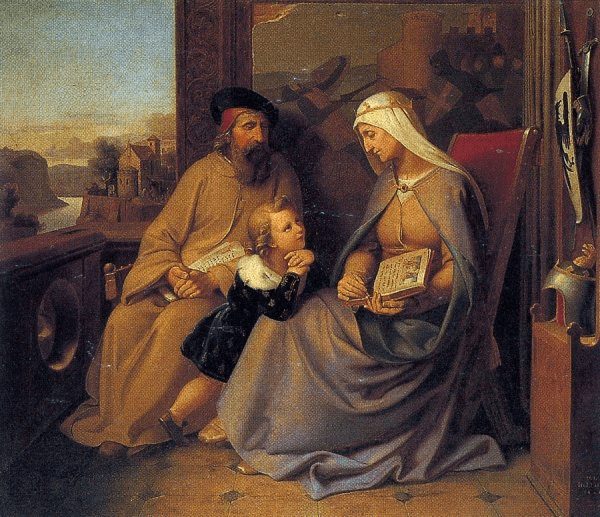
Here, for example, is his painting of Saint Ludmila teaching her grandson, Saint Wenceslas. It’s at the church in Tetín (albeit as a copy).
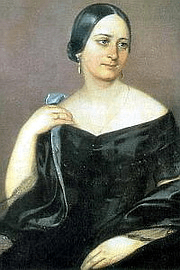
The most famous of his works, though, could well be his portrait of Božena Němcová (https://whatsinapraguestreetname.com/2024/08/25/prague-2-day-110-bozeny-nemcove/).
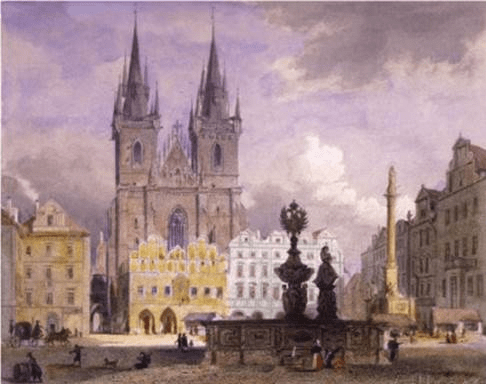
This is his painting of Old Town Square, including the long-gone Krocín’s Fountain (dismantled in 1862).
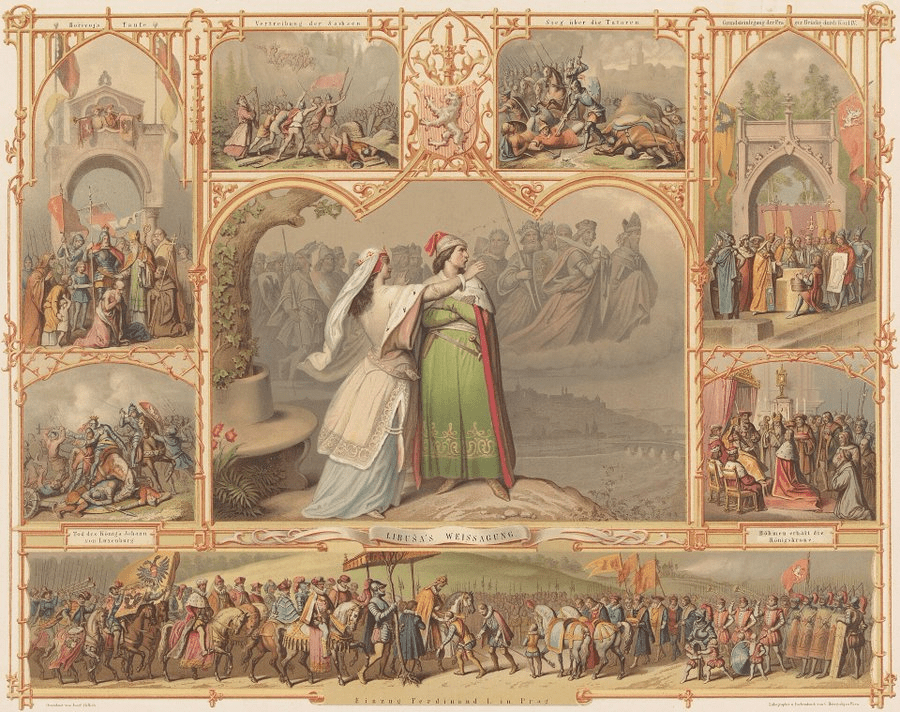
And I like this depiction of multiple scenes from Czech history, with Libuše and Vyšehrad taking centre stage (https://whatsinapraguestreetname.com/2024/08/23/prague-2-day-93-libusina/).
Hellich died in 1880 after contracting typhoid. He’s buried in the Malá Strana Cemetery.
For anyone wondering why we haven’t got round to discussing the Malá Strana cemetery yet – that’s mainly because it’s in Smíchov, in Prague 5. So there may be a bit of a wait.

 What's in a Prague street name
Leave a comment