Originally published on X on 19 December 2023.
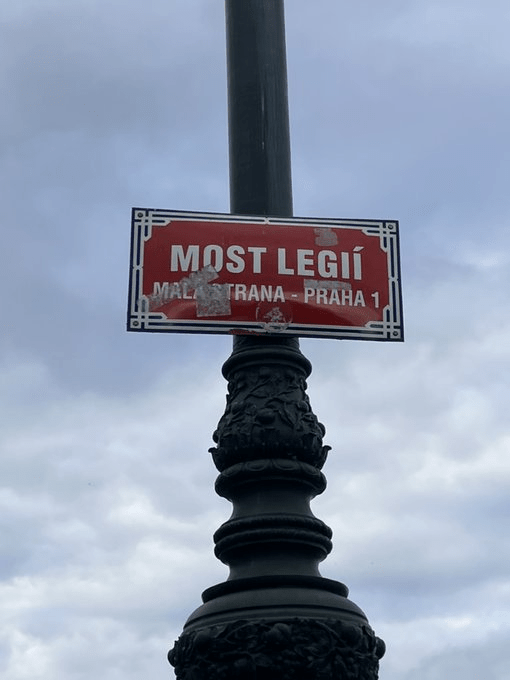
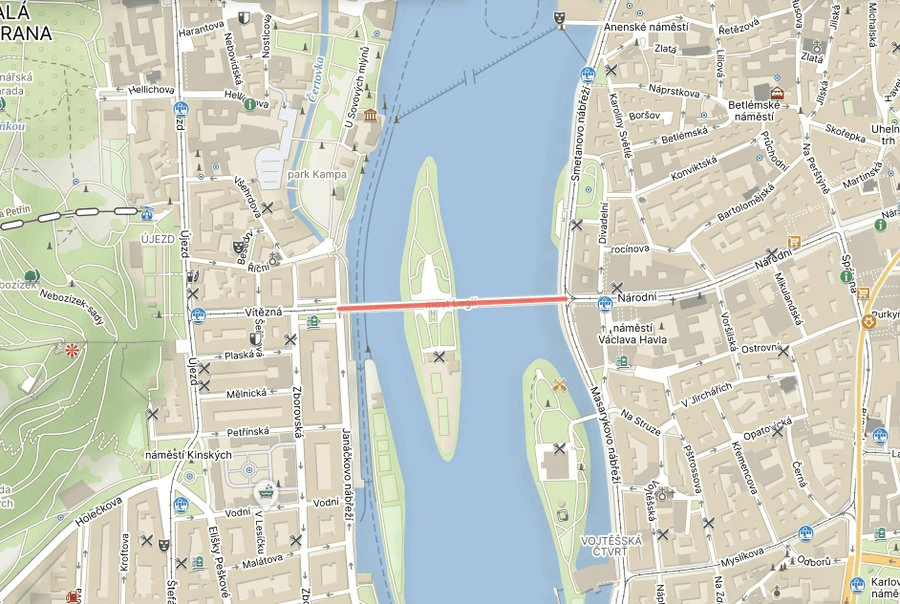
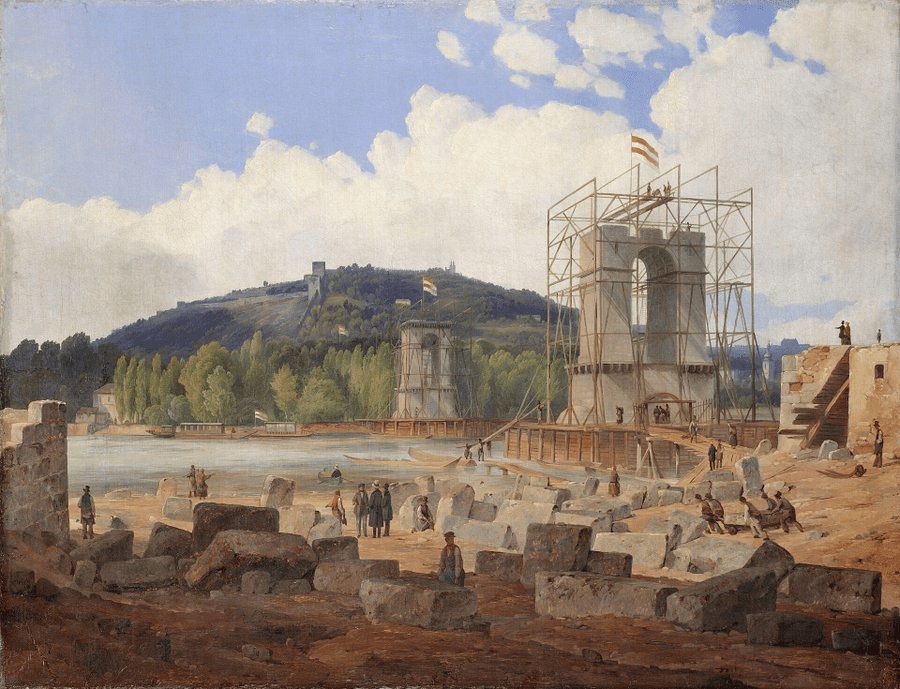
Between 1839 and 1841, a chain bridge was built here – at the time, it was the second bridge across the Vltava (after Charles).
Pretty incredible 1840 painting (by Karel Würbs) of its construction below.
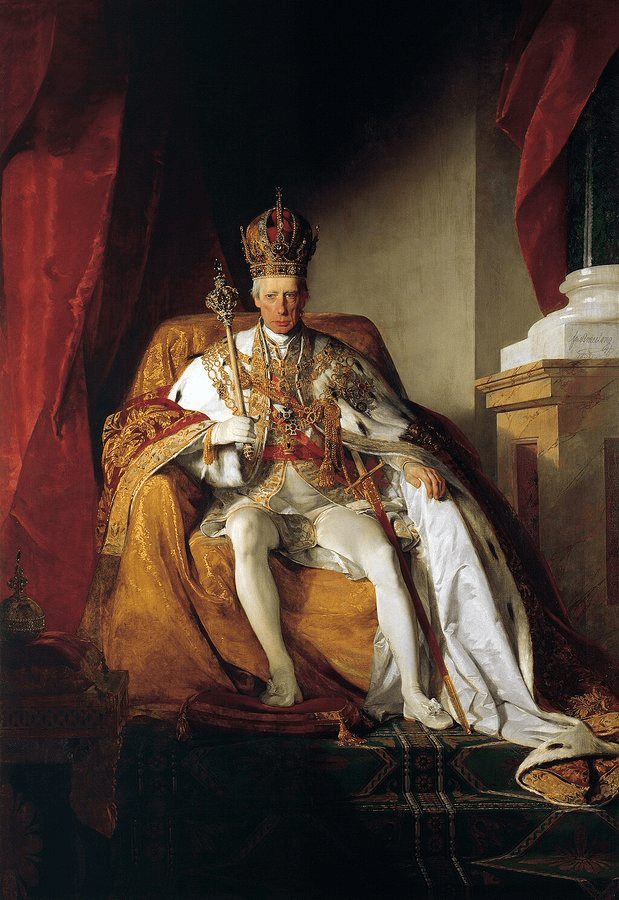
It was called the Emperor Francis I Bridge, after the man you will either refer to as Francis I (the first Emperor of Austria, 1804-35) or as Francis II (the last Holy Roman Emperor, 1792-1806).
The bridge was good at connecting places – Smíchov was suddenly way less remote than it had been – but less good at tolerating large amounts of traffic.
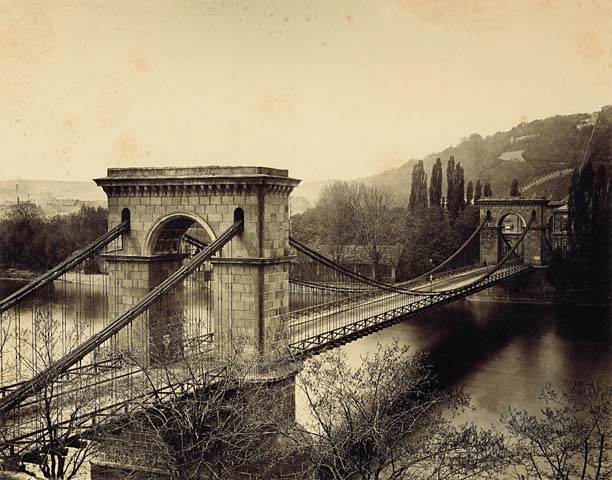
It was closed down in 1898, and work began on a stone replacement which was also named after Francis I slash II. The opening, in 1901, was attended by Franz Joseph I.
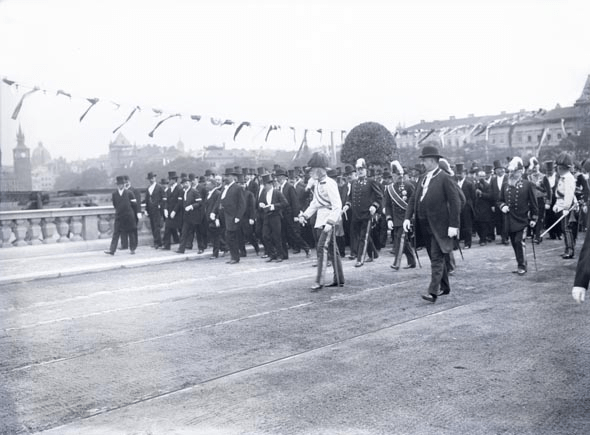
13 years later, war would break out, a war that would ultimately result in this bridge never being named after or inaugurated by Habsburgs ever again.
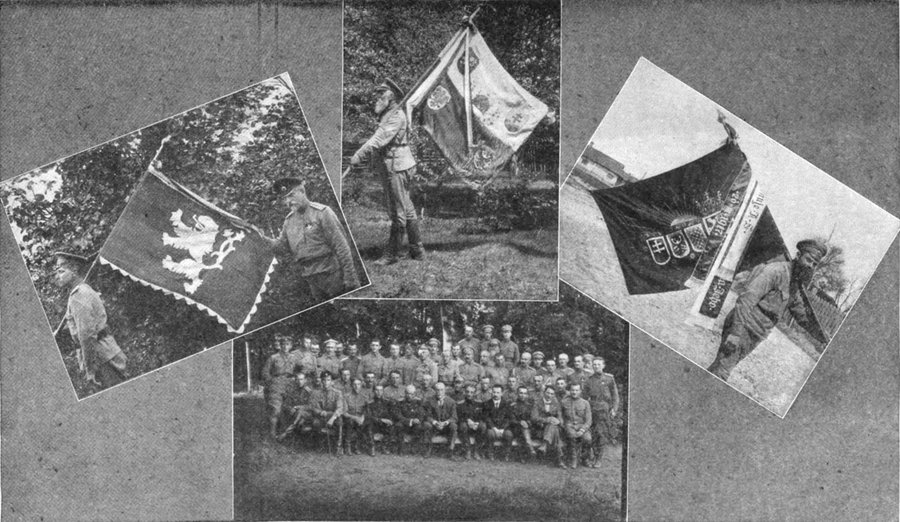
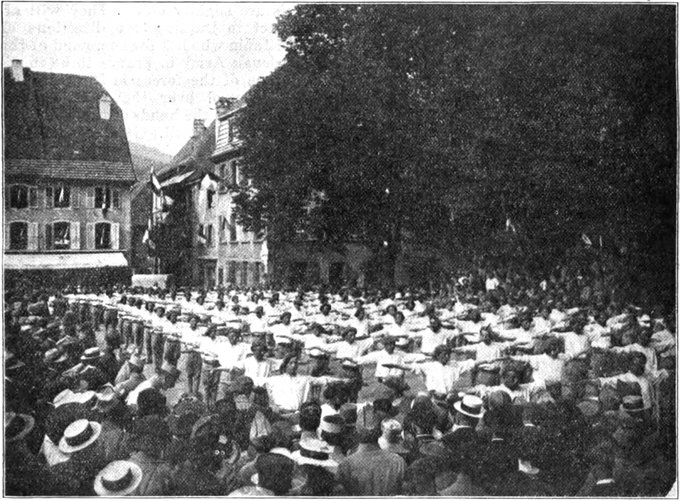
In 1914, a Czechoslovak battalion was formed in Russia (pic 1) and would serve as the Russian Third Army, while France (pic 2) also permitted Czechs and Slovaks to join the Foreign Legion.
The first significant action of the Czechoslovak formations in Russia would be the Battle of Zboriv, a victory of the Russian Provisional Government against Austria-Hungary (Zboriv is about 85 km away from L’viv), in July 1917.
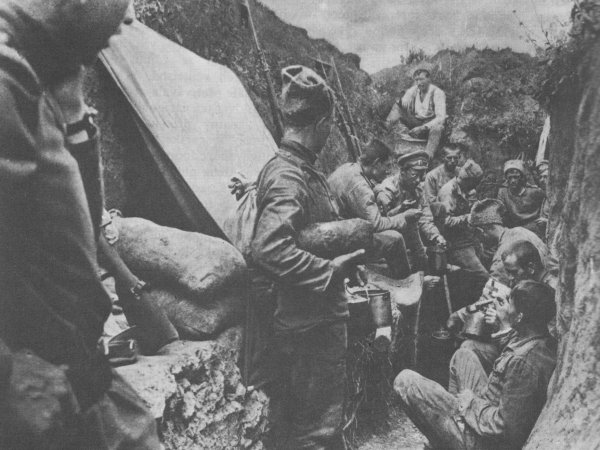
As a result of their success, they were given permission to recruit prisoners of war – greatly increasing their numbers – and also to be turned into a legion. An autonomous Czechoslovak legion would also be formed in France at the end of the year.
However, in November 1917, the Bolsheviks came to power and Lenin withdrew Russia from the war. Tomáš Masaryk determined that the Legion should make its way to France and continue fighting the Central Powers.
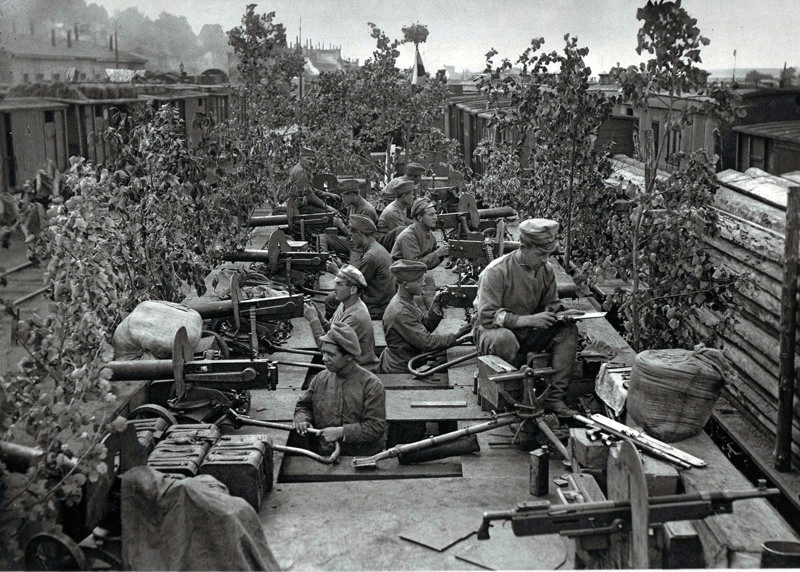
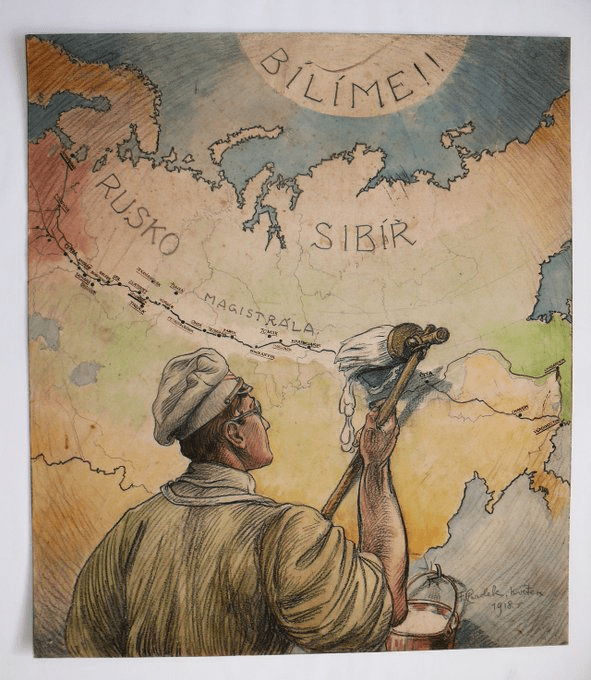
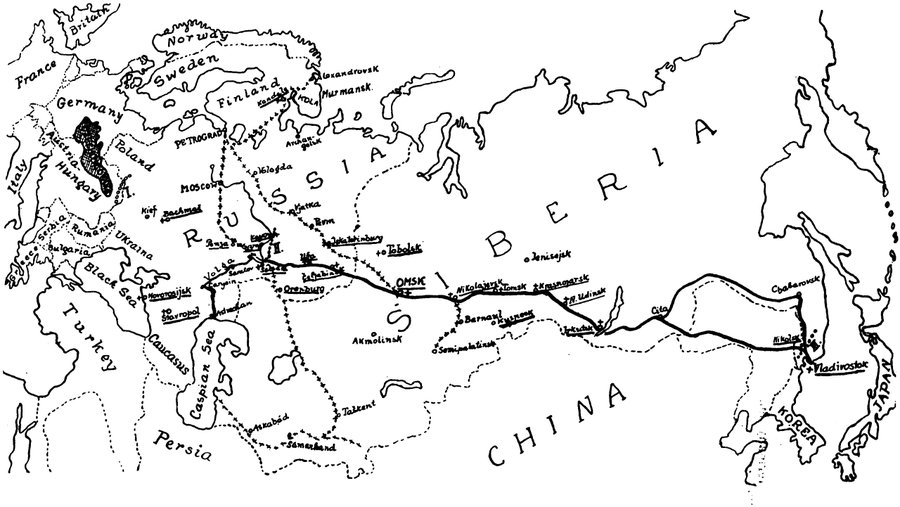
Given that the areas to the west of Russia were occupied by German soldiers, Masaryk decided that they should evacuate via that well-known midpoint between Moscow and Paris, Vladivostok.
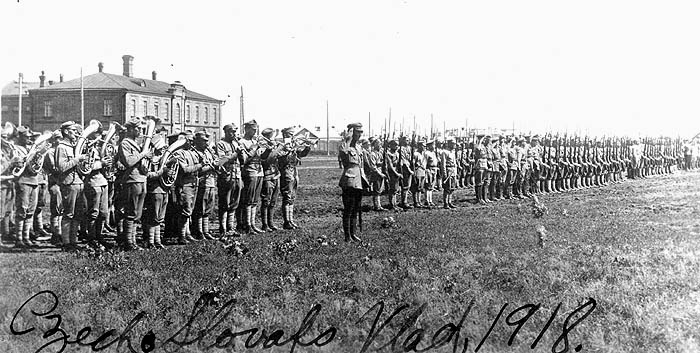
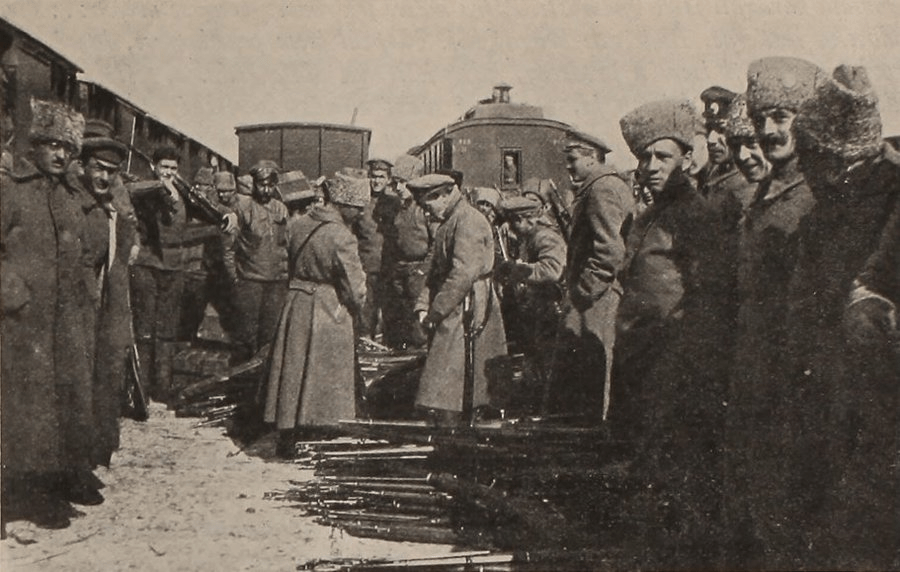
However, relations between the Soviets – paranoid about counter-revolution – and the Czechs and Slovaks – paranoid about Communists within their ranks – meant this evacuation was unlikely to go smoothly.
In May 1918, Leon Trotsky insisted that the legionaries disarm; they refused, and fighting on several points of the Trans-Siberian Railway followed. The legionaries would even seize control of Vladivostok in July.
Meanwhile, back in Europe and North America, news of the legionnaires’ Czexploits (including capturing the places underlined in the map below) would leave a strong impression on the Allies, who became increasingly favour of giving these guys their own state.
There would be further victories in autumn 1918, but a strengthened Red Army, muted material support from the Allies and the creation of Czechoslovakia on 28 October made the soldiers want to get the hell out at last.
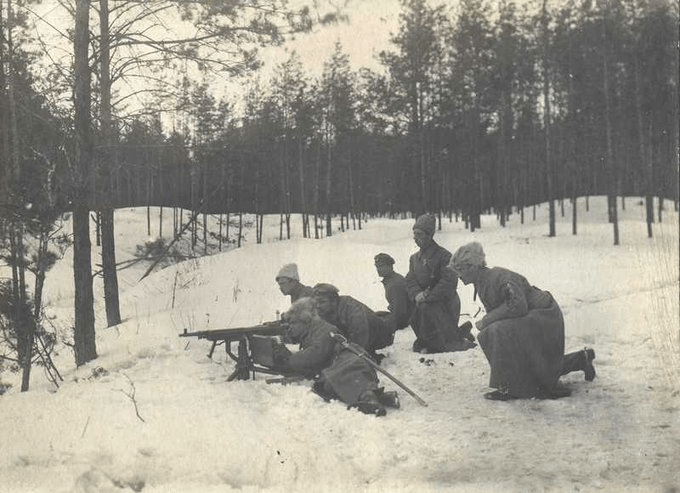
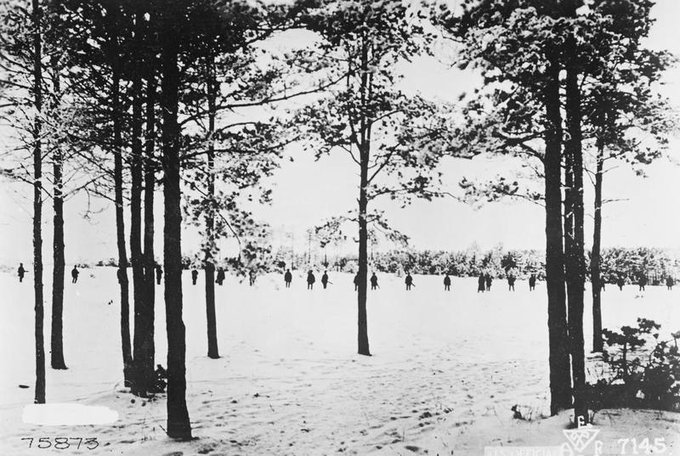
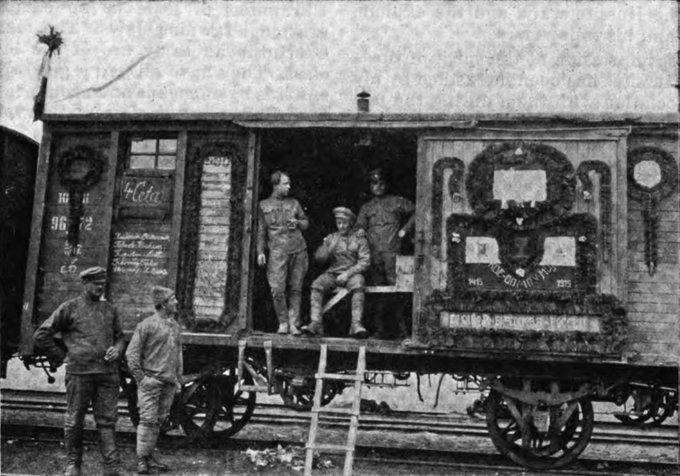
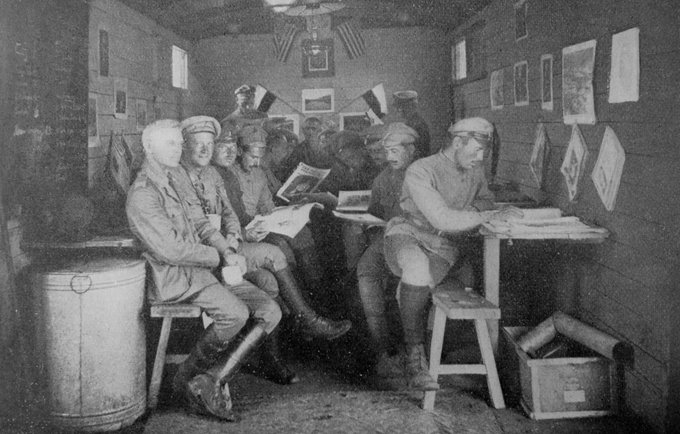
For this reason, they declared neutrality in 1919 (not especially pleasing their White Russian allies), signed an armistice with the Bolsheviks in February 1920, and, by September, all legionaries had finally left via Vladivostok.
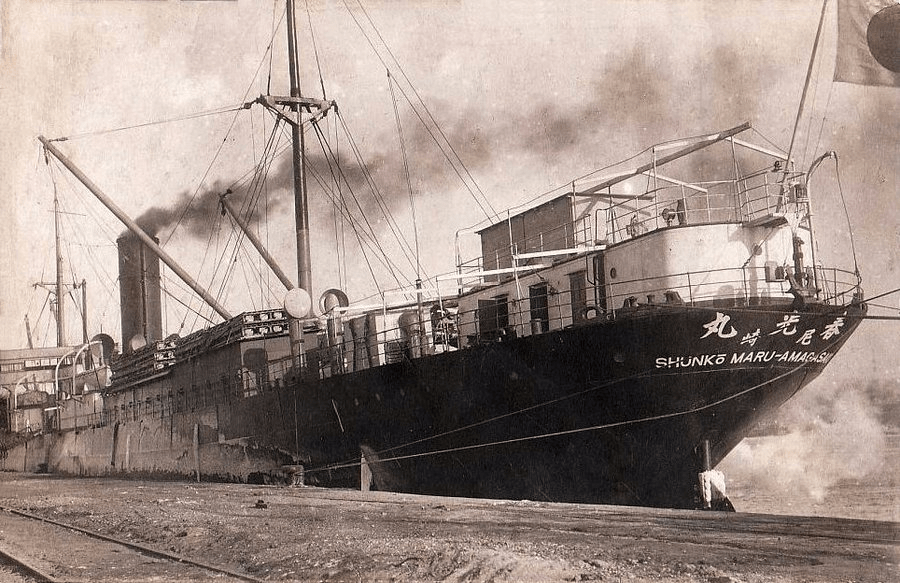
When the French and Italian Legions (the latter was formed later on, in 1918, but its troops were the first to get to Czechoslovakia) returned, they promptly became involved in dealing with wars against Poland (pic 1) and Hungary (pic 2) in 1919).
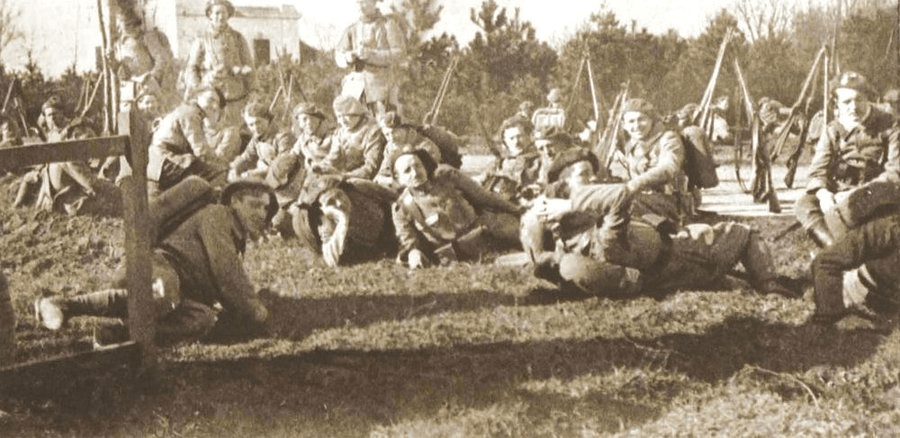
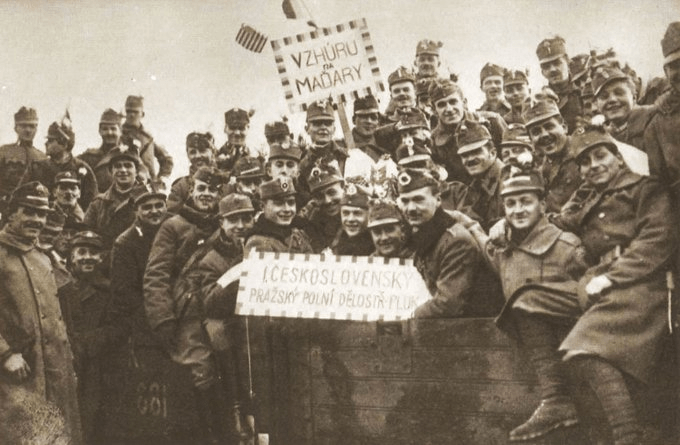
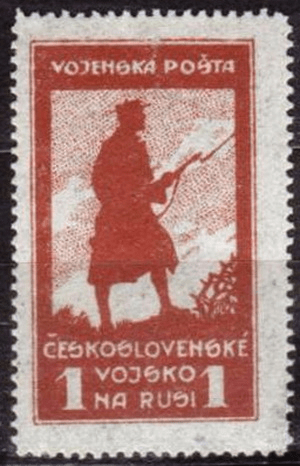
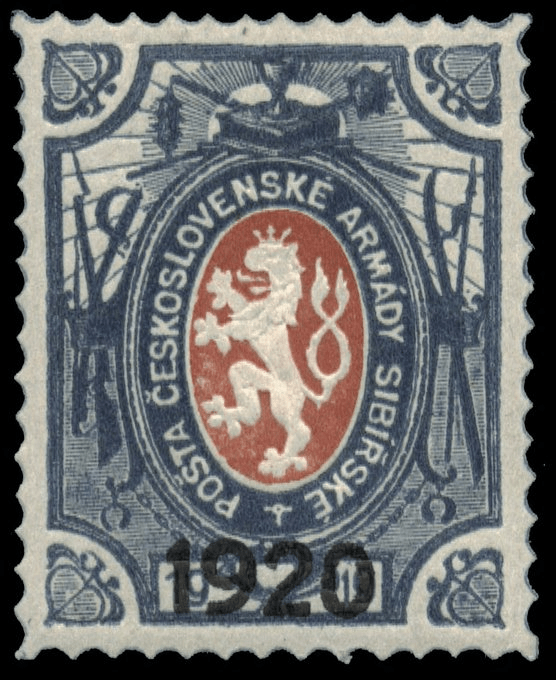
The Russia-based legion, however, had been stuck there for so long that they even ended up issuing their own stamps.
If you’re still thinking about Christmas presents, Last Train Home is a computer game that only came out last month; the goal is to help the Czechoslovak troops get home from the Trans-Siberian railway.
Reviews are really good – and we’re talking internationally.

Comments on the portrayal of the characters in the game, however, have gone exactly the way you would expect them to go: https://games.tiscali.cz/tema/rusove-vycitaji-last-train-home-historicke-nepresnosti-569781
Back to the bridge, Most Legií got its name in 1919 – so well before the evacuation from Vladivostok – but the bridge was also known as Smetana Bridge during the Nazi occupation, and then as the 1 May Bridge from 1960 to 1990.
In the early days, tolls were collected on either side of the bridge; the towers used for this purpose remain.

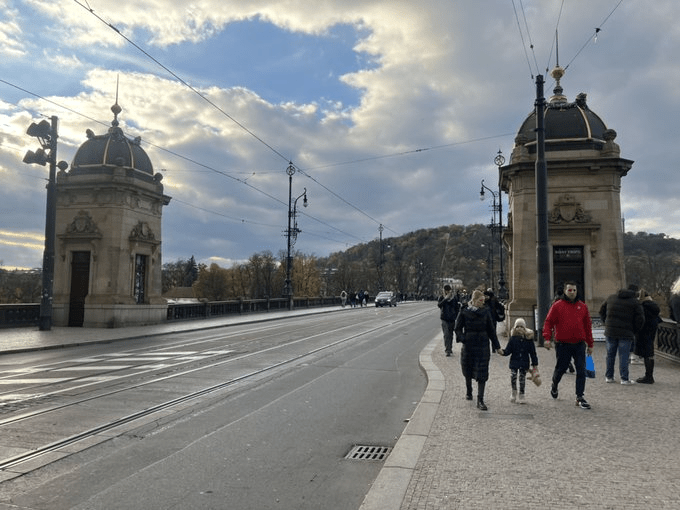
The reliefs on its streetlamps deserve attention too.
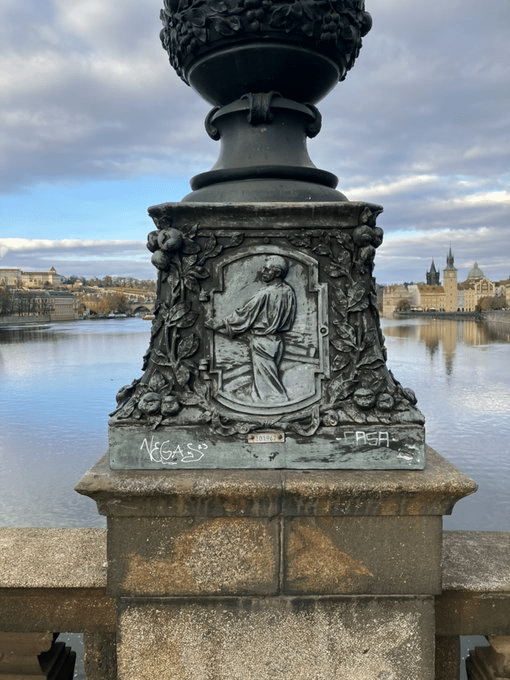
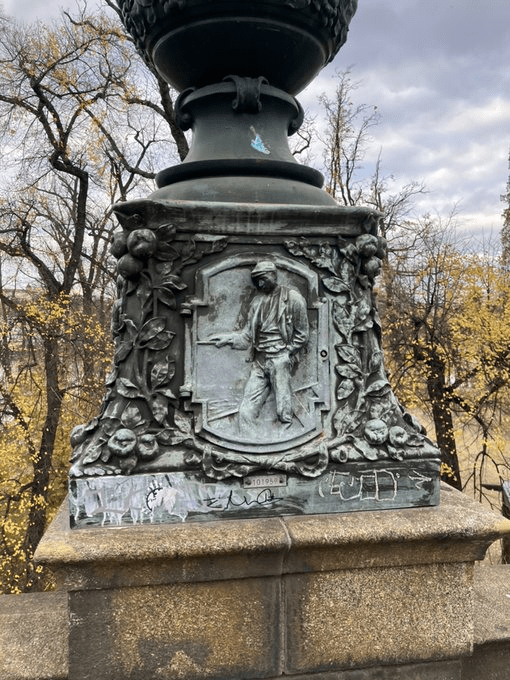
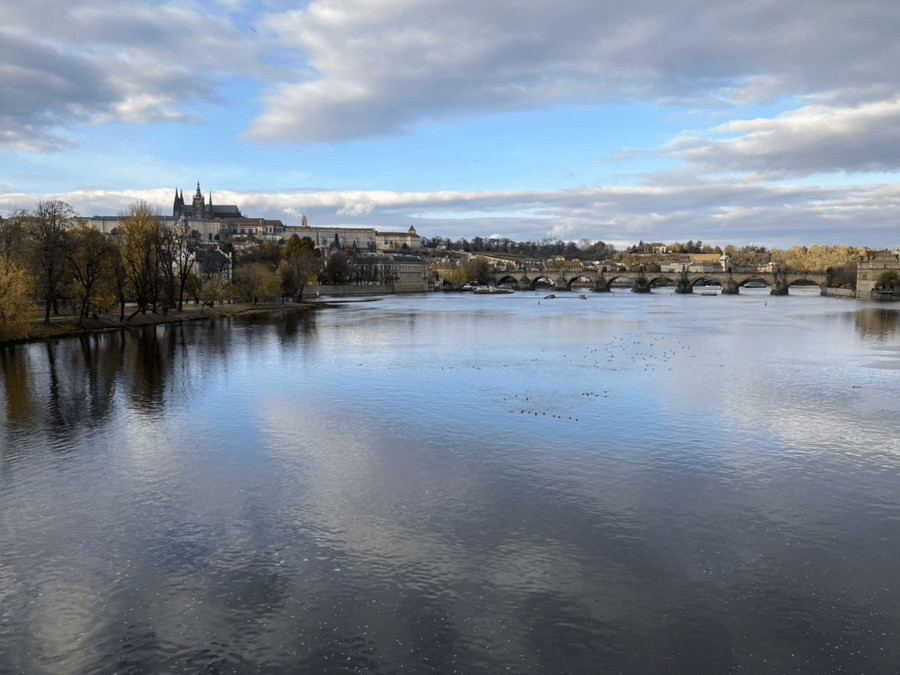
And the view from the bridge itself? I freaking love this city.


 What's in a Prague street name
Leave a comment