Originally published on X on 4 January 2023.


Svatá Voršila is known to English-speakers as Saint Ursula; we don’t know much about her other than that, in 383 AD, she, along with a group of virgins, was beheaded by the Huns in Cologne, where the main church devoted to her is now located.

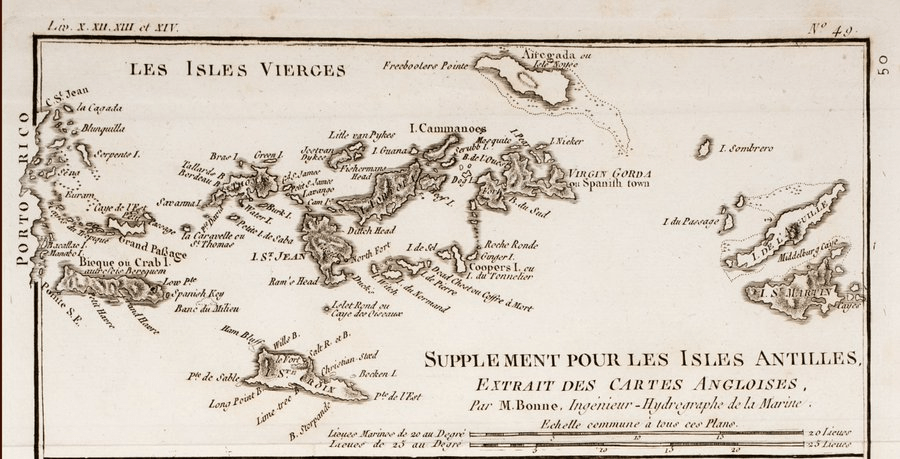
We also know that Christopher Columbus later named the Virgin Islands after her and her unlucky group.
Meanwhile, the Ursuline religious order was founded in 1572, and spread across Europe, including to Bohemia; this was briefly covered on https://whatsinapraguestreetname.com/2024/09/08/prague-1-day-21-u-kasaren-at-the-barracks/.
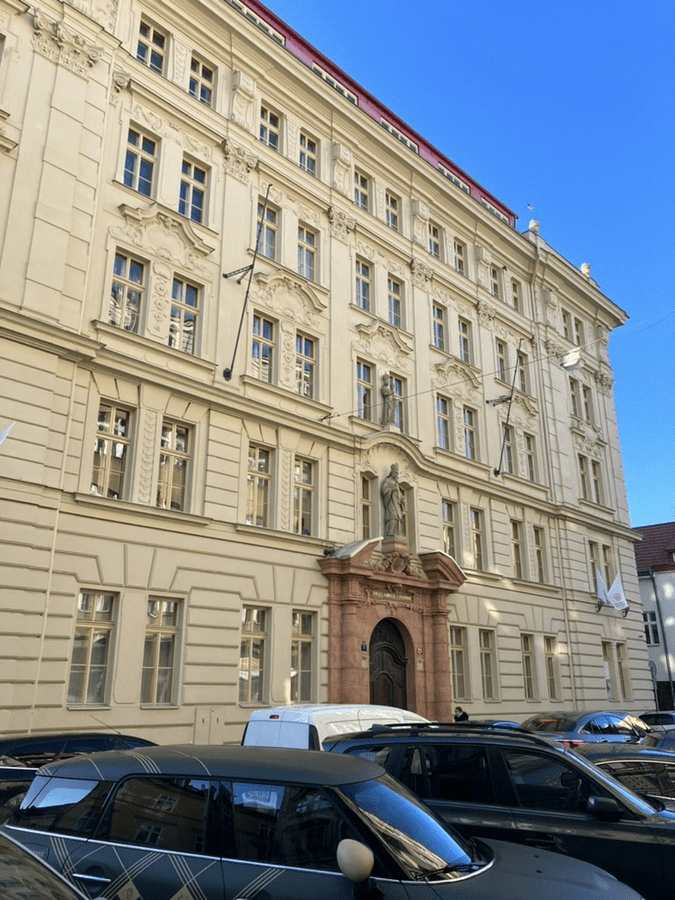
Having originally settled in Malá Strana, the order bought a town house round here in 1664. In the following years, they would buy more properties in the area, only to demolish them and replace them with a new building, the first stone being consecrated in 1674.
By 1676, enough work had been done for the nuns to move into their new convent here; in 1702, the foundation stone of the Church of St Ursula was laid.
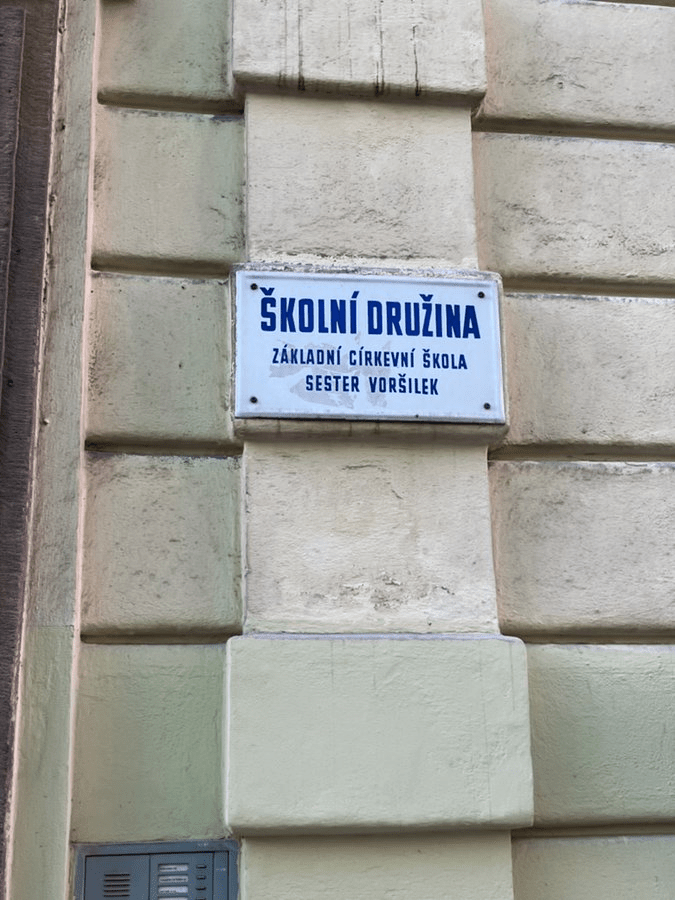
As Ursuline nuns are particularly dedicated to education, they founded an elementary school; education was initially in German, with Czech being introduced in 1898.
The convent was closed in 1784 as part of Joseph II’s reforms, but only briefly (presumably because the Ursulines, working in education, were seen as ‘productive’ rather than ‘contemplative’).
However, the communists would abolish the convent yet again in 1951, nationalising the school and interning the nuns in Northern Bohemia. The Ursulines would get their property back in 1991.
The convent and church actually have their entrances on Národní rather than Voršilská, but let’s not let that get in the way of a good story.


Things that do have their entrance on Voršilská – other than the school – include, at number 1, the Arnošt of Pardubice halls of residence, built in 1901 (on the site of a former monastery) and run/used by Charles University since 1945.
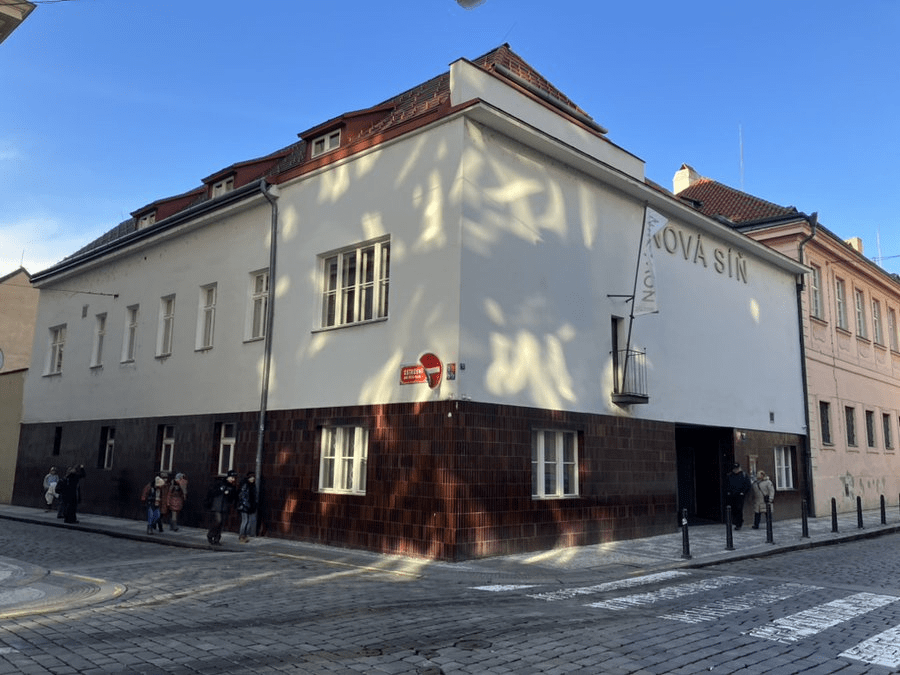
At number 3, meanwhile, there’s the functionalist Nová síň art gallery, founded in 1934 and currently also owned by the Ursulines.
Across the road, at number 10, is Deymovský Palace, one of many palaces belong to the Schwarzenbergs. Converted into office space in 1994, Václav Havel had his headquarters here in his post-presidential days.

There are three David Černý statues there if you look hard enough: https://www.david-cerny-tour.com/tri-zeny-na-dome
Finally, number 12, Dietrichsteinský Palace, is Prague’s Apostolic Nunciature, i.e. it’s basically the Vatican City’s embassy (spoiler alert: they don’t issue visas).


 What's in a Prague street name
Leave a comment