Originally published on X on 11 January 2024.
Magdalena Artmann was born at the castle in Všeradice, near Beroun, in 1785. After the premature deaths of her father and siblings, she moved to Plzeň with her mother.
Until she was 18, Magdalena only spoke German, but then she fell in love with a law graduate – and Czech patriot – called Jan Alois Rettig. They married in 1808.
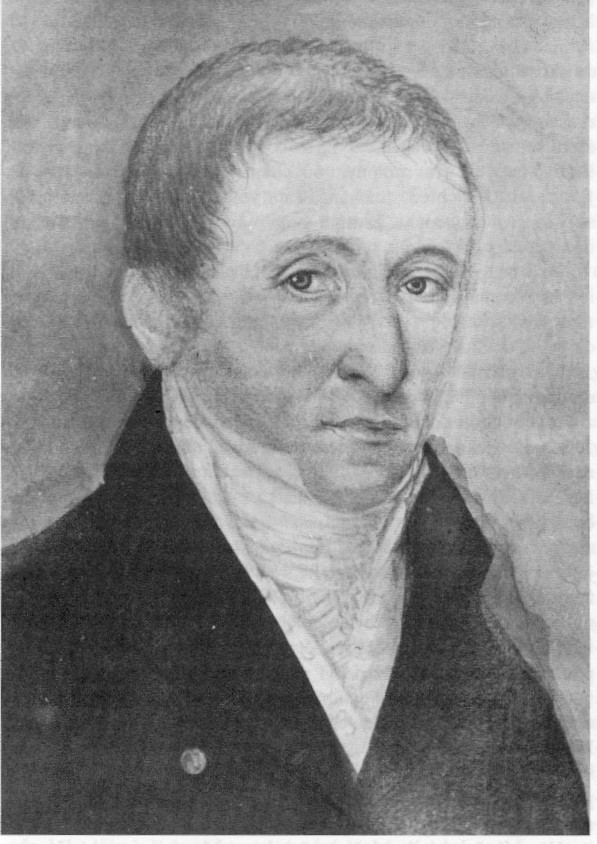
Rettig, who worked as a councillor in several Czech towns, recognised his wife’s talents as a writer, encouraged her to keep writing, and even hired experts to give her advice and tips. Which counts as pretty enlightened for the 1810s.
Magdaléna was particularly interested in providing an education to girls; she wrote short stories aimed at teenage girls, and also gave them classes in economics, cooking, housework and Czech literature.
Her most famous work was 1826’s Domácí kuchařka (Home Cookbook). Featuring over 700 recipes, it was innovative in that it was written in Czech, used clear language, and didn’t assume that the reader had infinite time or infinite money with which to buy ingredients.
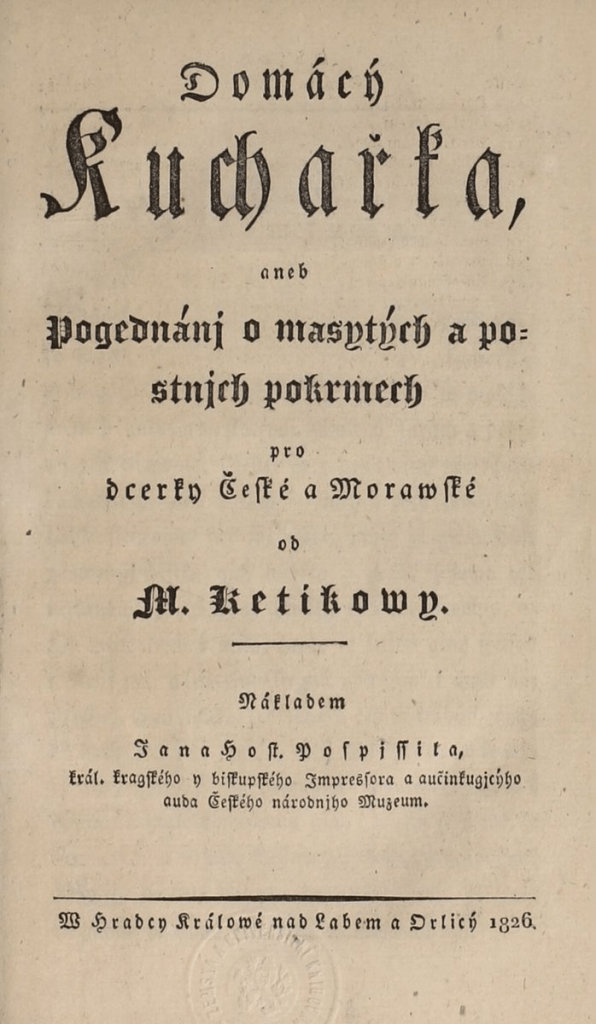
It also had the outstanding subtitle of Pojednání o masitých a postních pokrmech pro dcerky České a Moravské (Treatise on Meaty and Fasting Dishes for the Daughters of Bohemia and Moravia).
It’s still in print: https://www.levneknihy.cz/domaci-kucharka.html
As well as her writing, Rettigová ran a social salon, was in charge of the library in Ústí nad Orlicí when she and her husband lived there, and, when they moved to Litoměřice, was active in promoting renovation and construction projects.
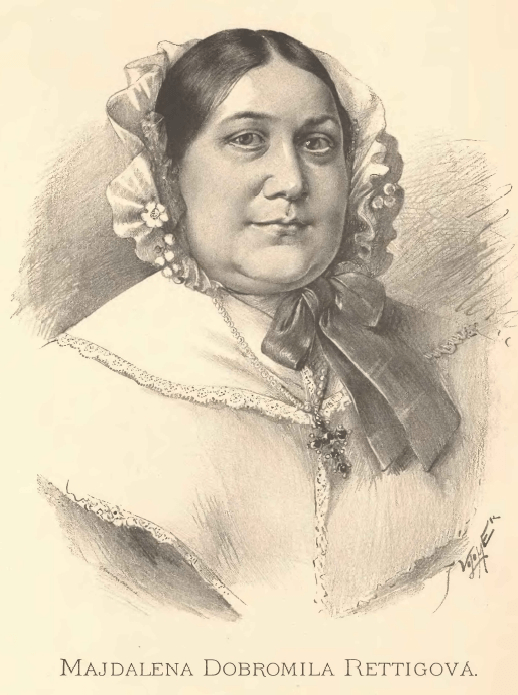
It was in Litoměřice that Jan died in either 1842 or 1844; Magdaléna would follow him in 1845. She’s buried in the cemetery there.

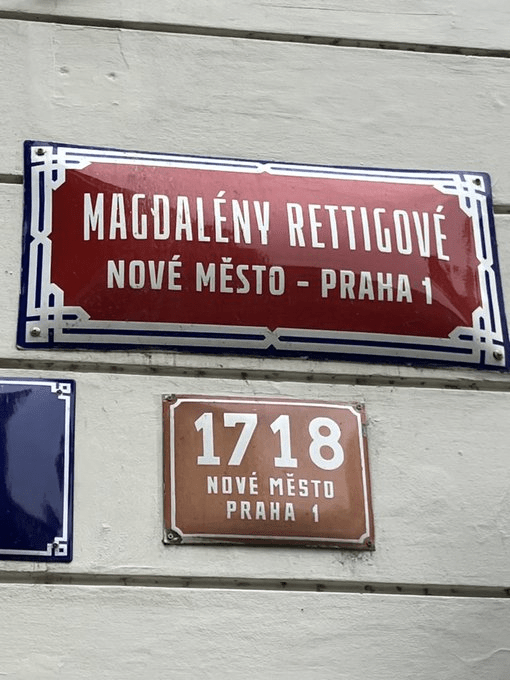
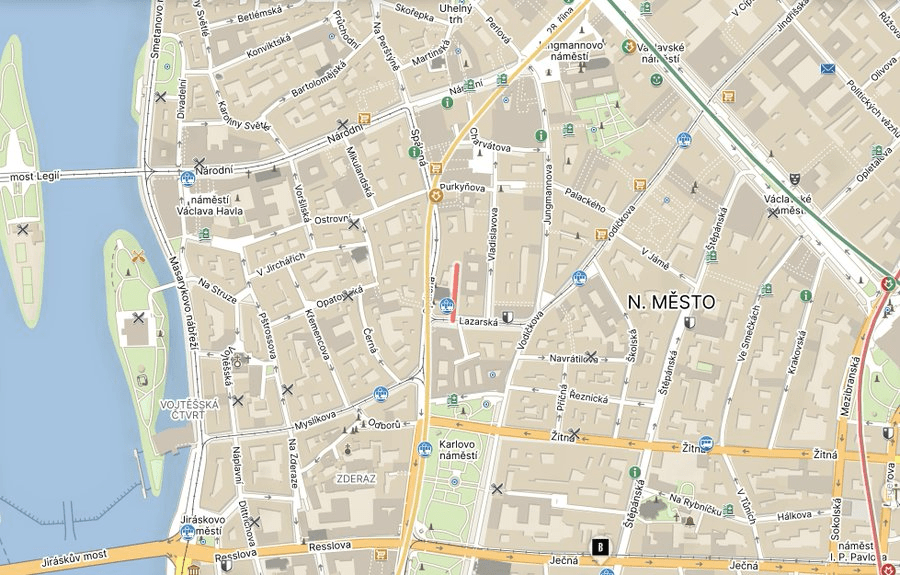
Magdalény Rettigové is not a long street – and half of it is only accessible if somebody opens the gate for you.
Beyond that gate is the Faculty of Education of Charles University. Appropriately, it was formerly a school for girls.

Then, on the corner, there’s the cubist Diamant building (1912-3), which is used by the Mánes Union of Fine Arts (whose main premises have been mentioned more than once, including on https://whatsinapraguestreetname.com/2024/09/13/prague-1-day-93-sitkova/).

There’s also the Church of the Holy Trinity (Kostel Nejsvětější Trojice; tower from 1713). In 2005, it was handed over to the Slovak Greek Catholic Church (which may sound obscure, but has 350,000 followers in Slovakia alone).
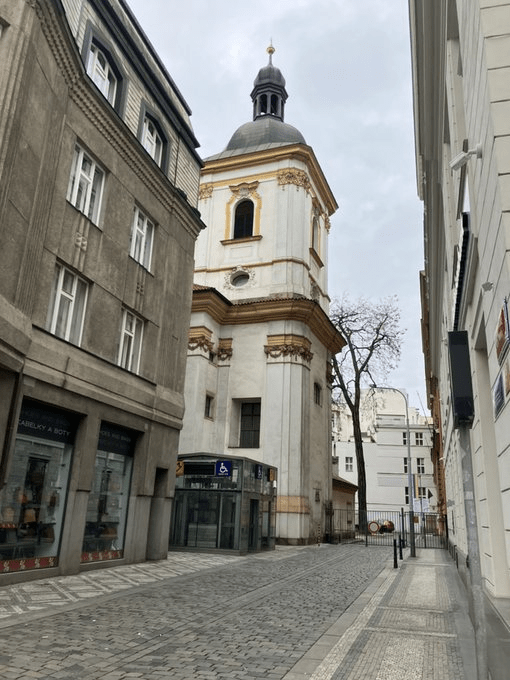
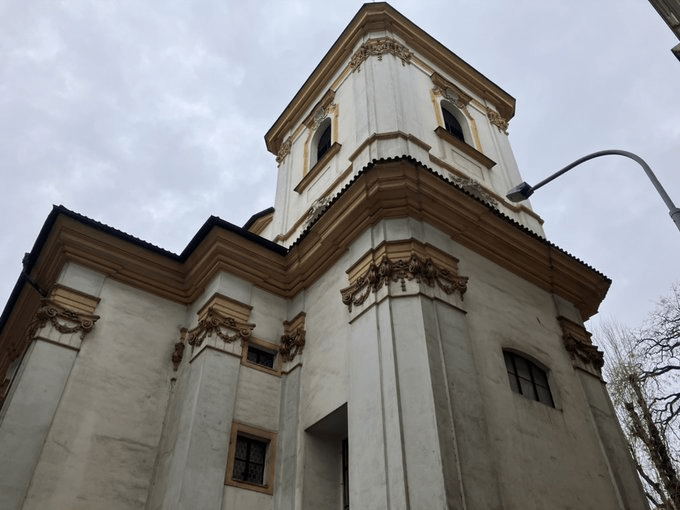
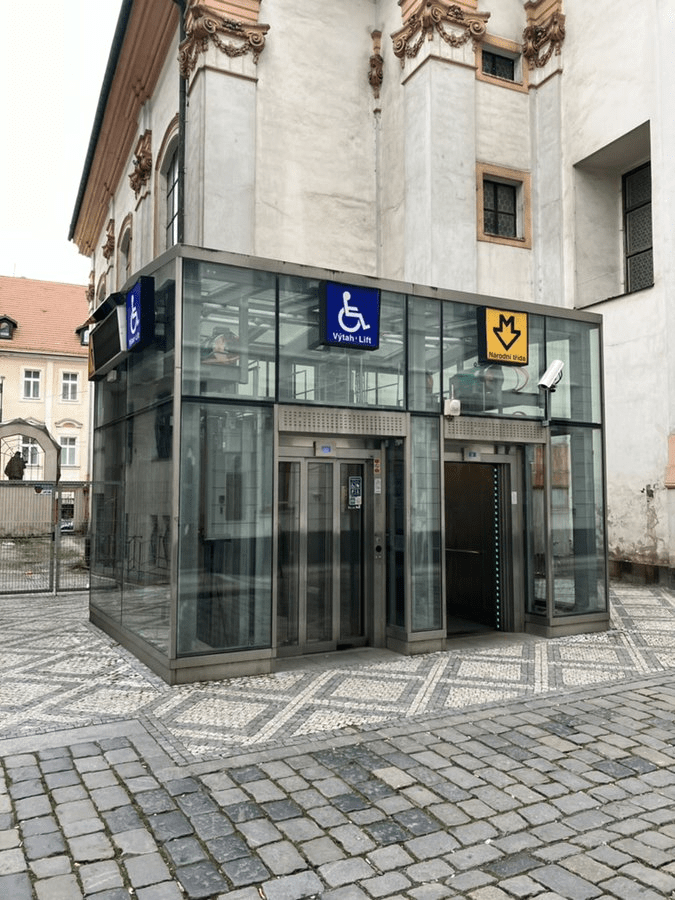
I also never realised there was barrier-free access to Národní Třída metro station here (partially because, in my head, this is fairly far away from the main entrance, even if it isn’t in reality).

 What's in a Prague street name
Leave a comment