Originally published on X on 14 January 2024.
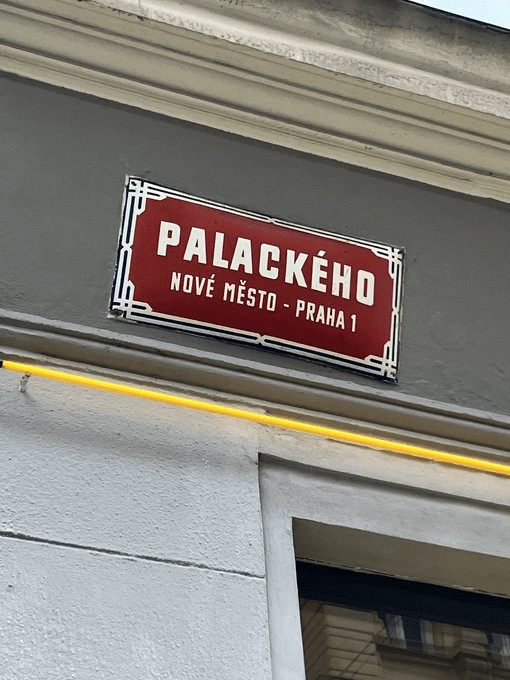

Again, I get to direct you to one I wrote earlier: https://whatsinapraguestreetname.com/2024/08/31/prague-2-day-145-palackeho-namesti/. Palacký spent his final years – and, in 1876, died – at number 7.
The street was first mentioned in 1383, under the name of Tandléřská – a tandléř, derived from southern German, being a dealer in used clothes and shoes.
In the 15th century, it became known as Nová Pasířská (more on that tomorrow, when we get to the street that used to be known as Stará Pasířská). In the 16th century, the ‘Nová’ was dropped.
The current name has been in place since 1876, i.e. pretty much automatically after Palacký’s death (except for a brief reversion to Pasířská during the Nazi occupation).
Back on number 7: it’s got the not terribly Czech-looking name of MacNeven Palace. The owner, Wilhelm Mac Neven O’Kelly ab Aghrim, had been born in Baile na hAbhann in County Galway in 1714.
He became a doctor and moved to Prague, where he wrote several books and lectured at the university. He stayed in Prague until his death in 1787.
In 1827, Palacky’s fiancee, Terezie Měchurová, gave him the palace (owned by her parents up to that point) as a dowry.
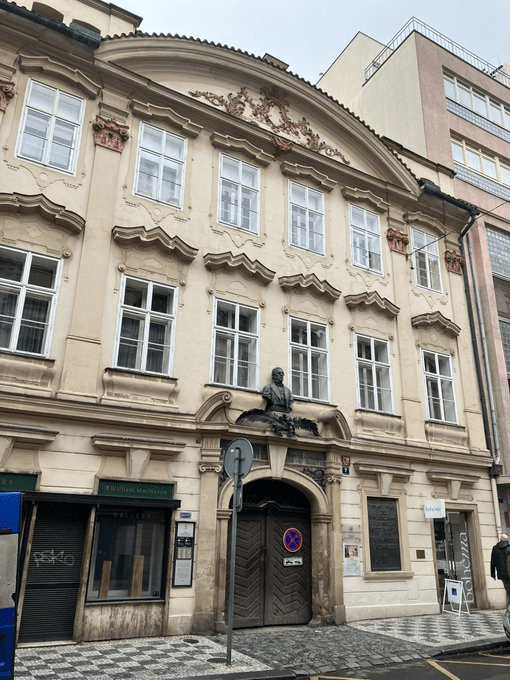

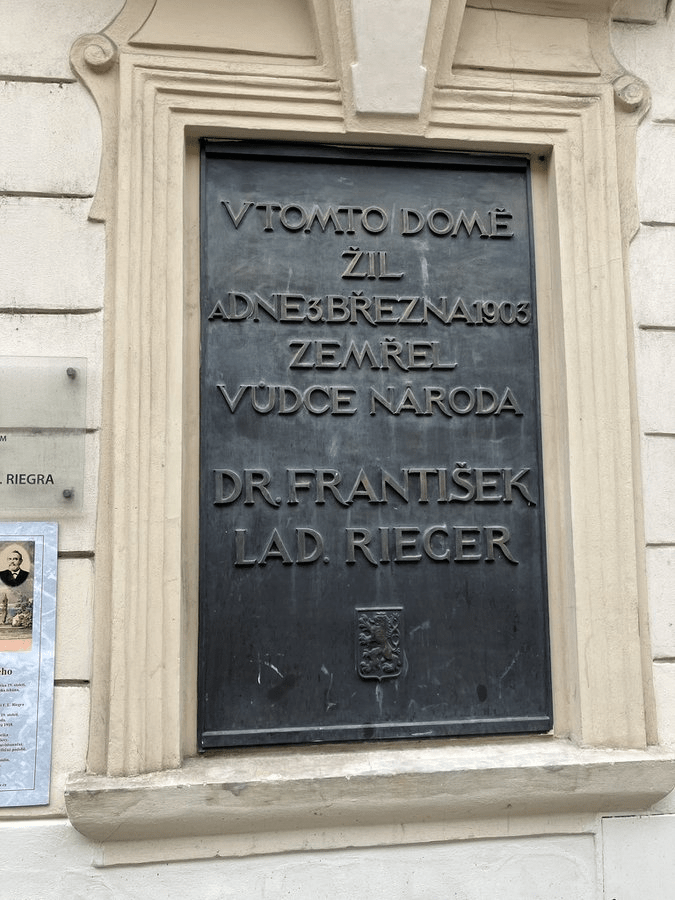
But Palacký wasn’t the only famous Czech to live and die here – in 1853, František Ladislav Rieger married Palacký’s daughter, Marie. He would live in the building, ultimately dying in it in 1903.
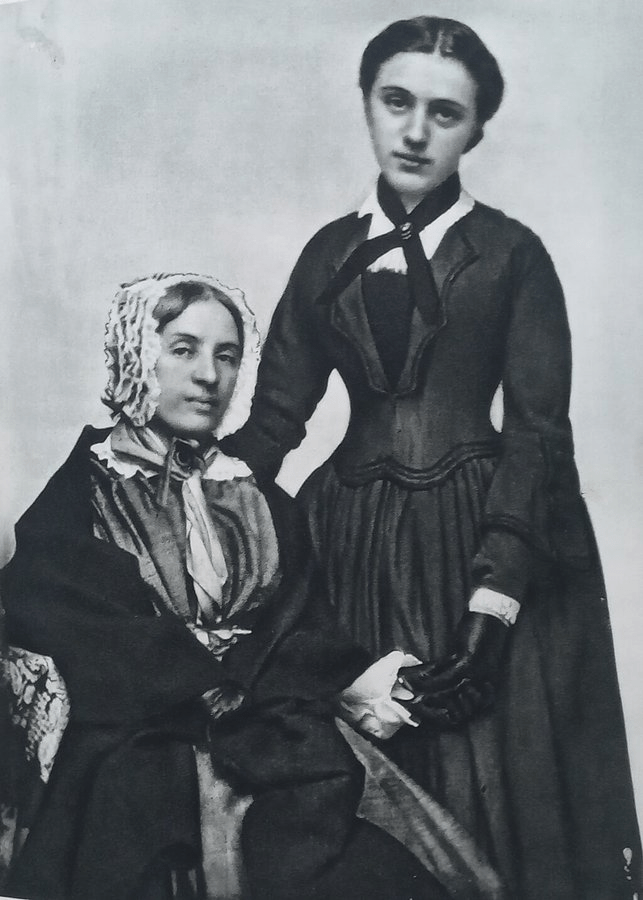
This is a picture from 1848 of mother and daughter (Terezie and Marie).
Unsurprisingly, the building now hosts an exhibition by the National Museum (visits are by request only): https://www.nm.cz/navstivte-nas/program/expozice/pamatnik-frantiska-palackeho-a-frantiska-ladislava-riegra

 What's in a Prague street name
Leave a comment