Originally published on X on 6 February 2024.

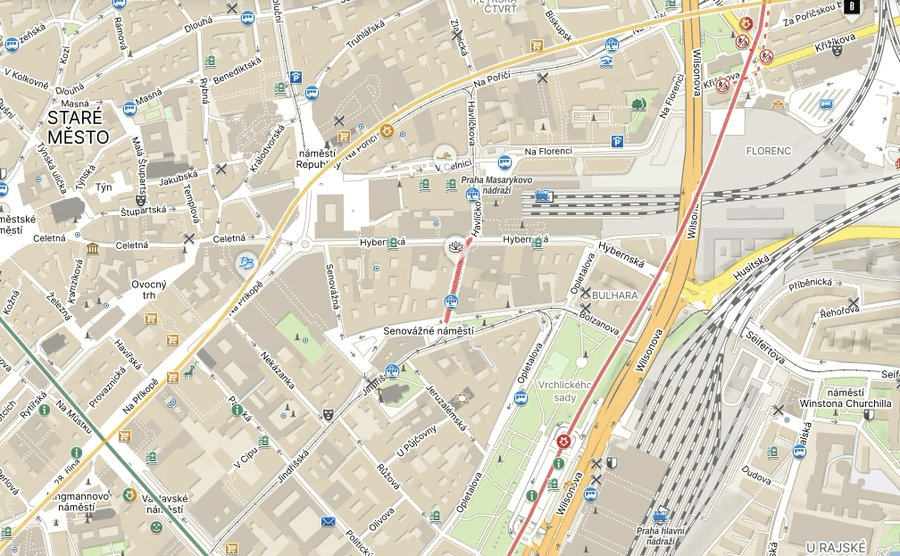
Dlažba means ‘pavement’, ‘cobbles(tones)’ or ‘paving’, whereas something that is dlážděný is ‘paved’.
Paving didn’t happen anywhere in Prague at all until 1329, and, when the New Town was founded just under twenty years later, was still the exception rather than the rule.
As well as looking quite nice, cobblestone paving drains water and doesn’t get muddy when it rains. This means that roads can be used all year round.
The street was known as Dlážděná or Na dláždění as soon as it was built; in the 1600s, it became known as Zadní (Lower) dlážděná, because Hybernská (https://whatsinapraguestreetname.com/2024/09/20/prague-1-day-134-hybernska/) was also called Dlážděná at that time.
On the corner with Senovážné náměstí (https://whatsinapraguestreetname.com/2024/09/19/prague-1-day-132-senovazne-namesti/) is the State Office for Nuclear Safety (SÚJB).
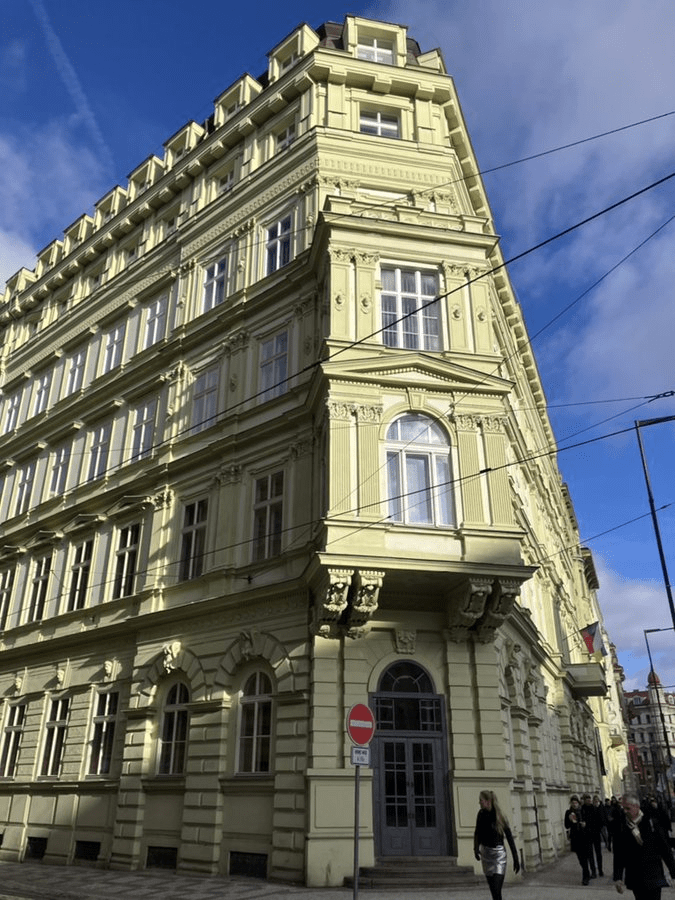
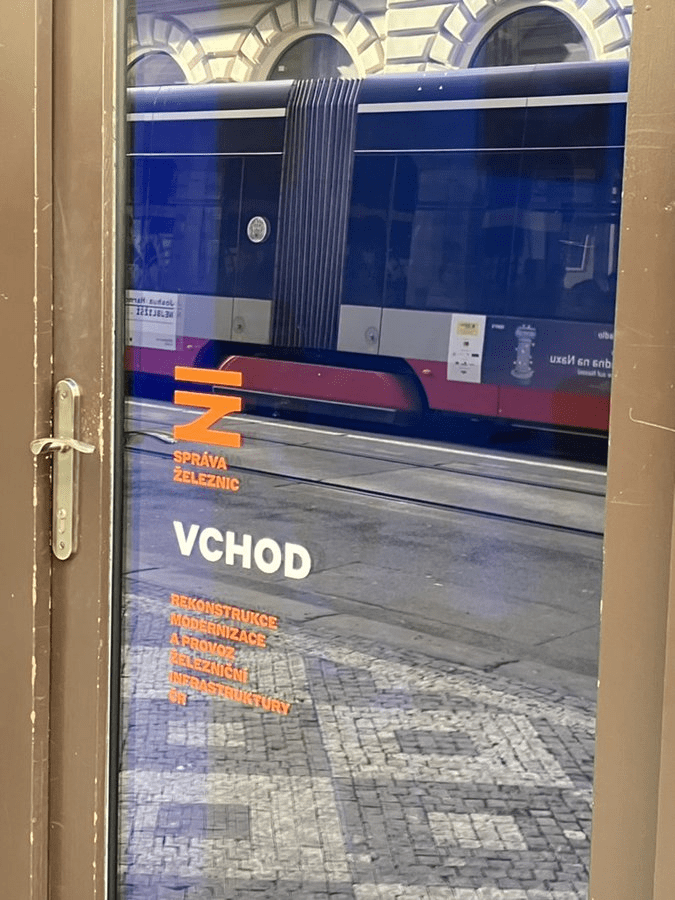
While the other side of the street includes Správa železnic (the Railway Administration), Czechia’s sixth-biggest employer, and one of its most distinctive logos, at numbers 5 and 7.
(Tram part of reflection, not part of logo)
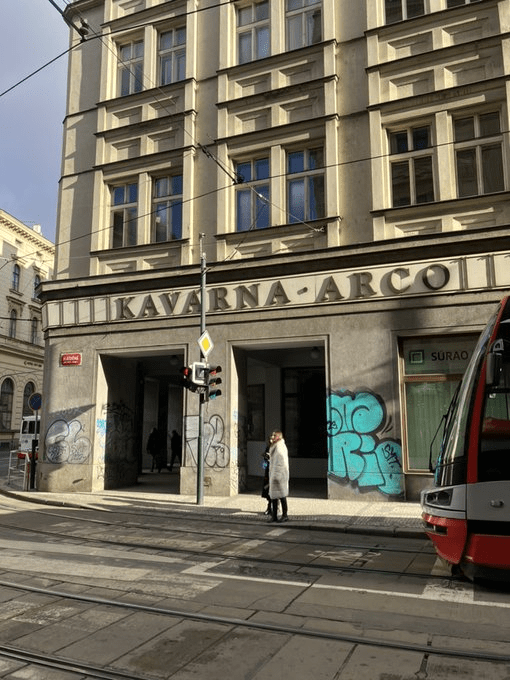
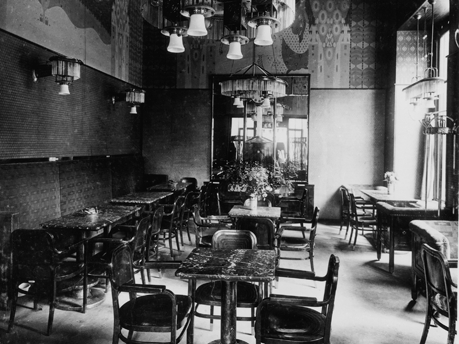
Finally, Cafe Arco was opened in 1907, and used to be *the* meeting place for Prague’s German-speaking intellectuals. Those days are long gone and it’s now a canteen used by the Ministry of the Interior, and open for a grand total of 12.5 hours per week according to Google.

 What's in a Prague street name
Leave a comment