Originally published on X on 22 February 2024.
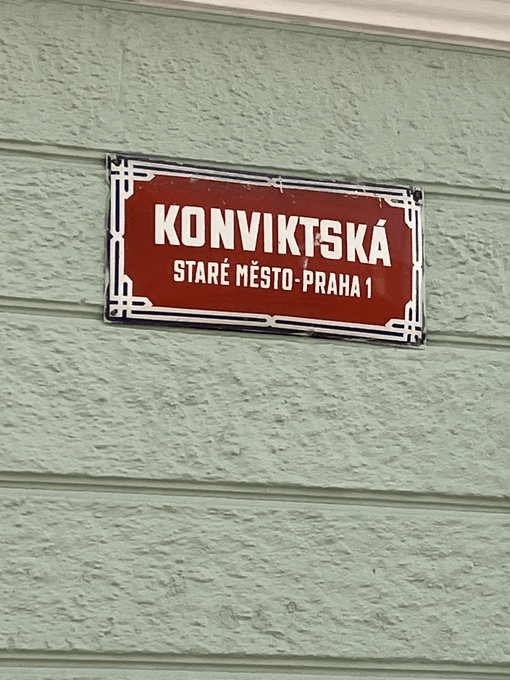
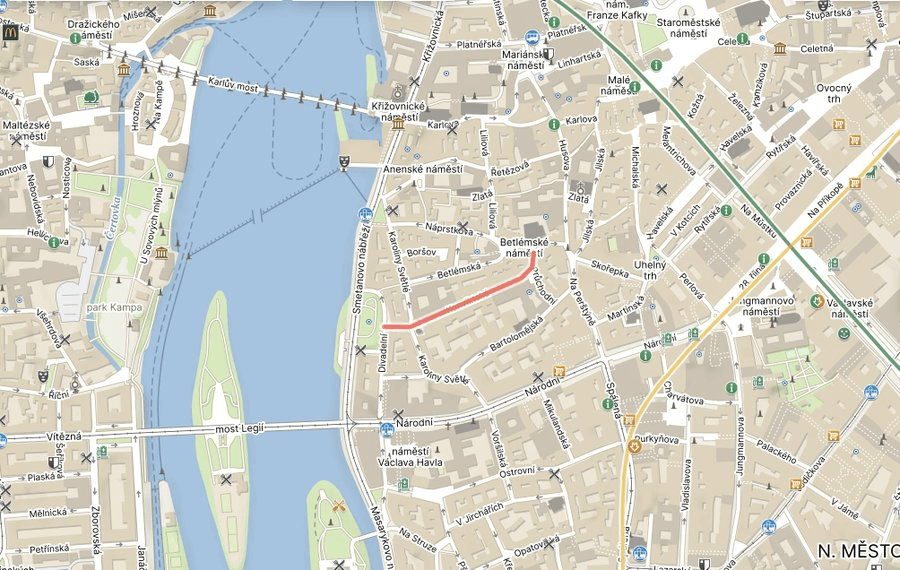
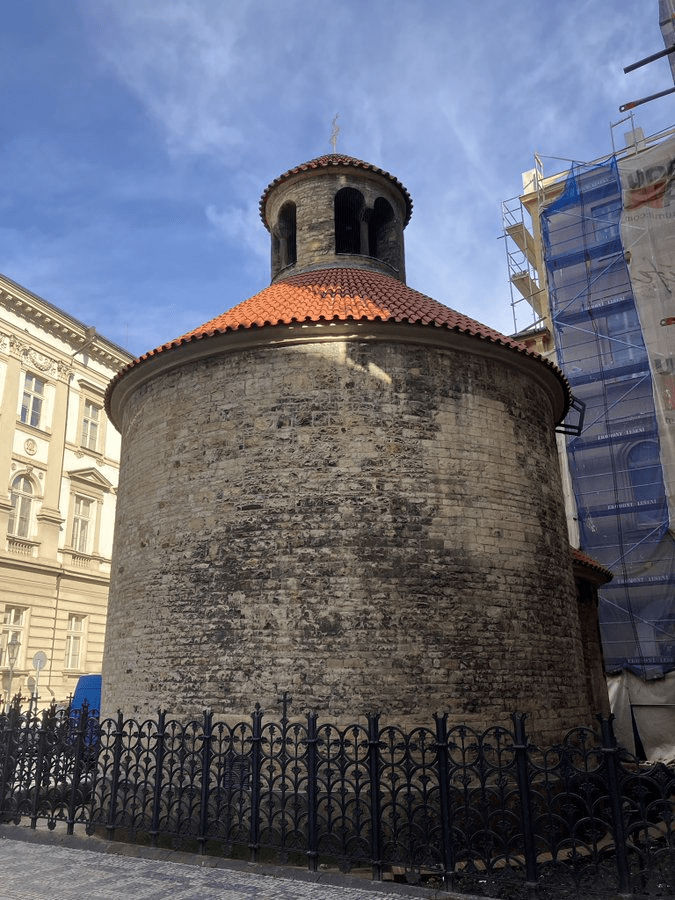
Originally, this street was called U sv. Kříže (St Cross), named after a rotunda which was built around 1125. Pleasingly, it’s still there and was done up in 2022.
In the 1600s, the street was renamed ‘Horní Solní’ due to the presence of a nearby salt warehouse.
In Latin, ‘convīctus’ means ‘communal life’ (or, alternatively, a ‘banquet’ – hence ‘convivial’).
In Czech (and German, albeit with a capital K), ‘konvikt’ came to mean a common home with some sort of spiritual element – such as a seminary. In Austria, ‘Konvikt’ can also be used to denote a Catholic boarding school.
And, in 1660, the Jesuits had a ‘konvikt’ built here. The street was renamed ‘Dolní Konviktská’ (Lower, to distinguish it from Horní / Upper: https://whatsinapraguestreetname.com/2024/09/28/prague-1-day-150-bartolomejska/).
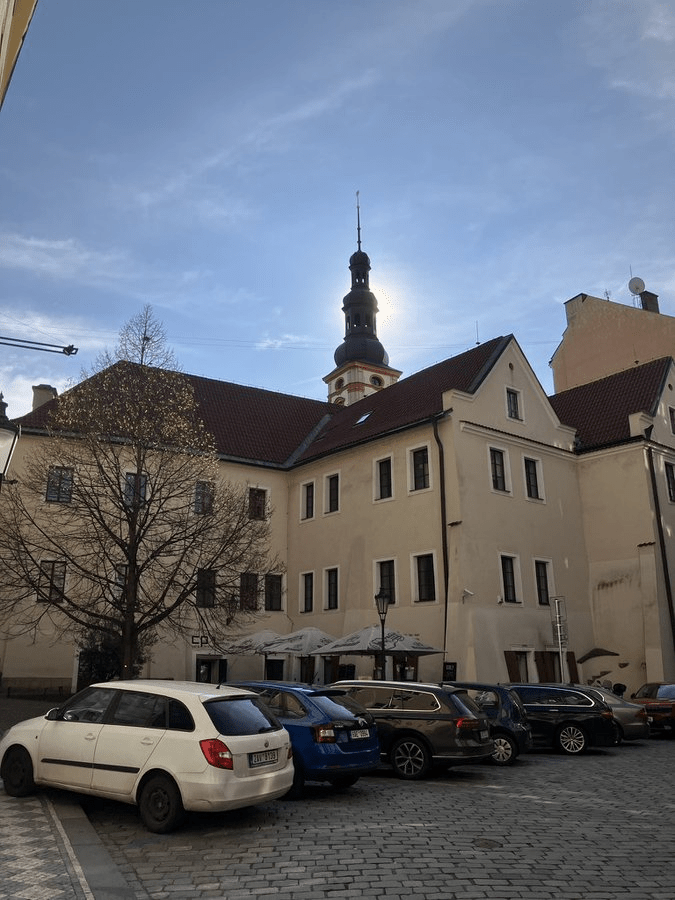
It lasted for over a century, until 1773, when Pope Clement XIV issued a papal brief declaring that the Jesuits were no longer a force for good and should be dissolved.
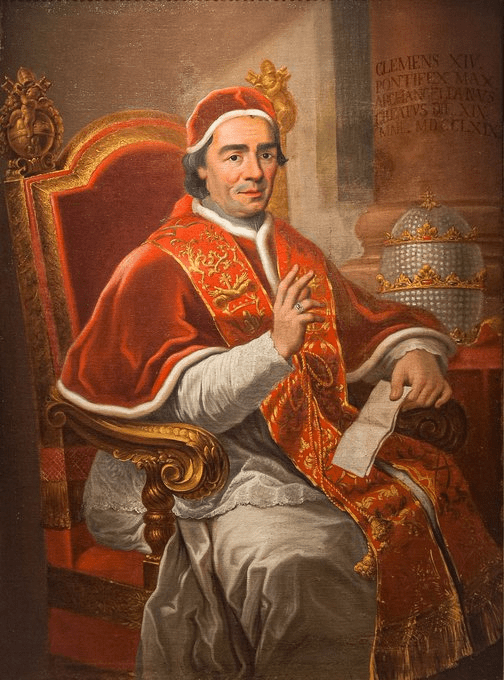
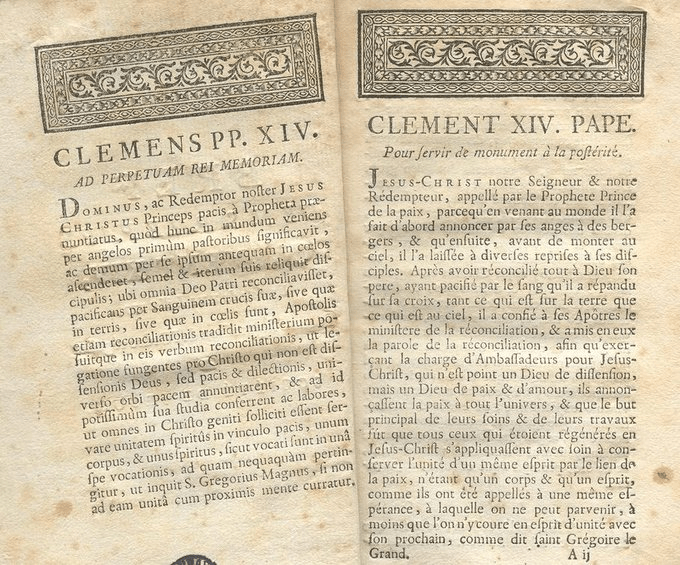
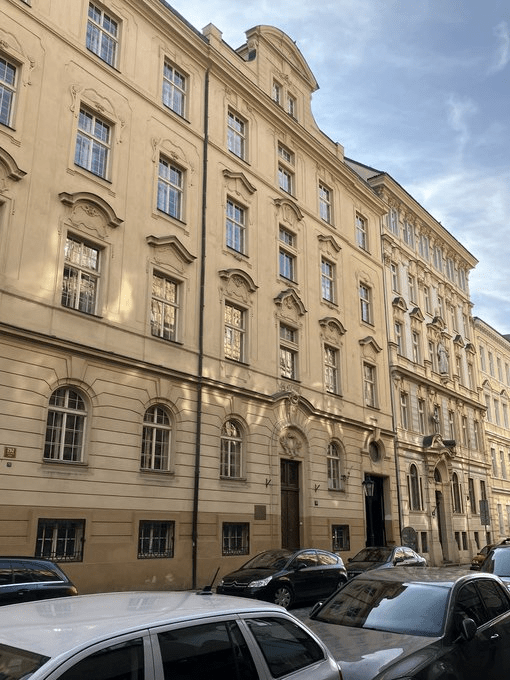
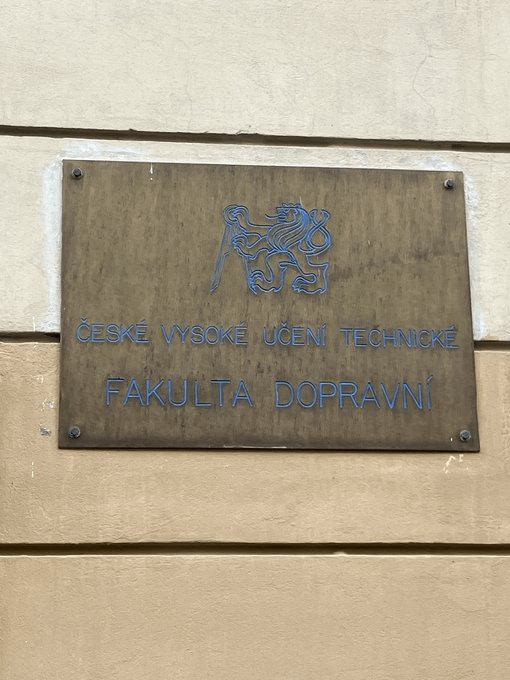
Number 22 in the street is the Czech Technical University’s Faculty of Transportation Sciences.
Jan Neruda (https://whatsinapraguestreetname.com/2024/09/08/prague-1-day-37-nerudova/) lived at Konviktská 28 from 1870 to 1883. You’re going to have to imagine a nice picture of number 28, because it doesn’t exist anymore.
While Konviktská’s best-known female resident is not known for positive reasons: https://www.unexpectedtraveller.com/terrorist-attack-prague/.
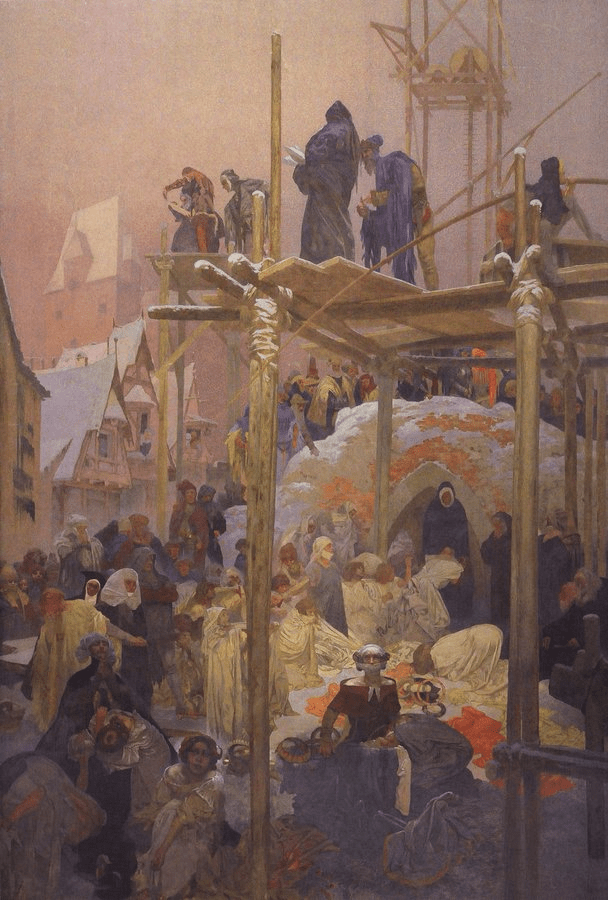
Konviktská makes a spectactular appearance in Mucha’s Slav Epic – here’s ‘Jan Milíč of Kroměříž, A Brothel Converted to a Convent’.

 What's in a Prague street name
Leave a comment