Originally published on X on 11 March 2024.
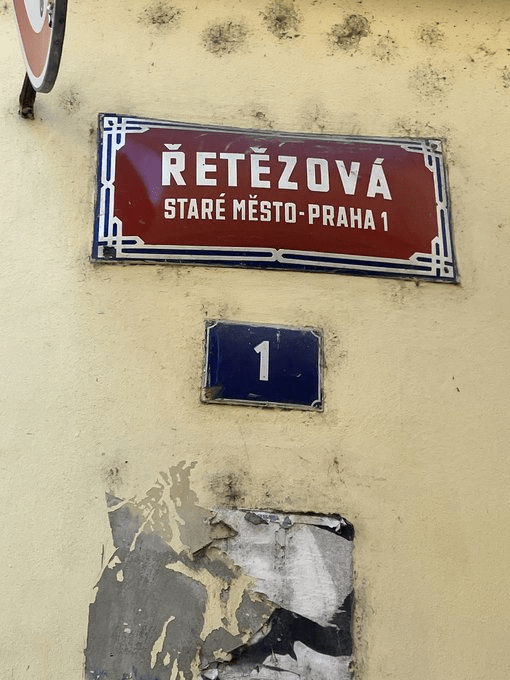
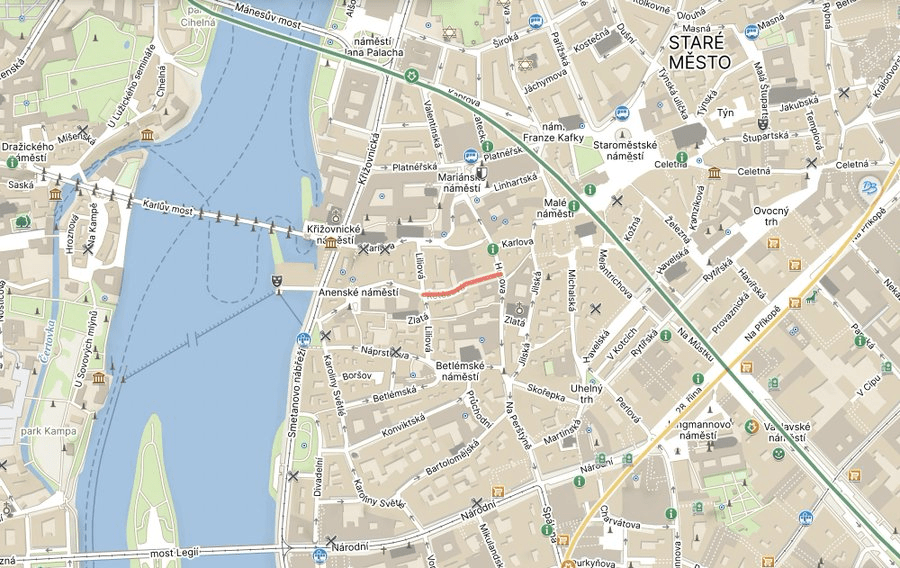
In the Middle Ages, the street was called Kožešnická, after the tradesmen who lived here (a ‘kožešník’ is a furrier).
Řetězová has been used as the street’s name since the 1600s.
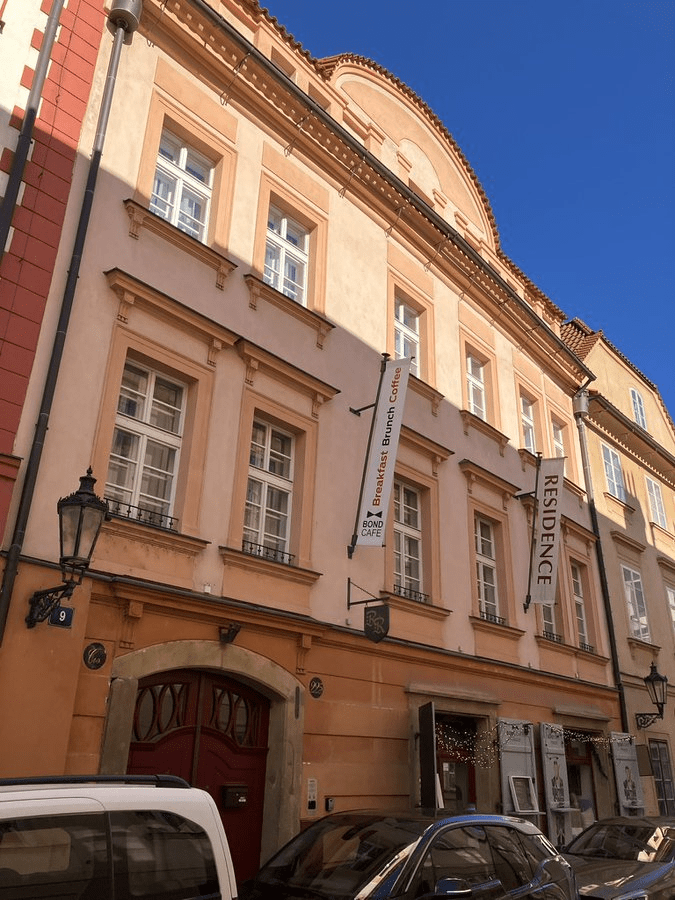
Number 9 in the street is called U Tří zlatých řetězů (the Three Golden Chains), which was originally used by, yes, furriers, and is now a hotel.
As for the chains in question, they might have been placed around here to fill a defensive function, e.g. to protect the nearby convent (https://whatsinapraguestreetname.com/2024/10/03/prague-1-day-163-anenske-namesti/).
They might also have been the endpoint of a chain leading across the Vltava, erected to force ships and rafts to stop until they had paid their customs duties for crossing from one end to the other.
For the other endpoint, take a look at https://whatsinapraguestreetname.com/2024/09/11/prague-1-day-75-lazenska/, where there’s still a church (that’s probably) named after the chain.
The westernmost side of Řetězová doesn’t look like it’s changed much in the centuries since.
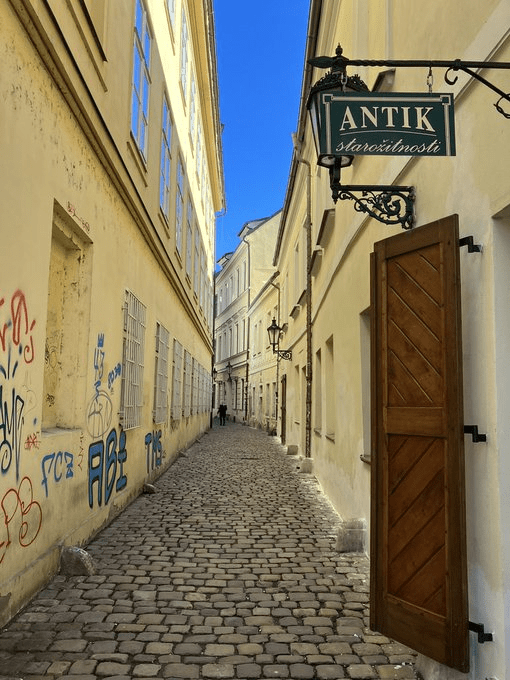
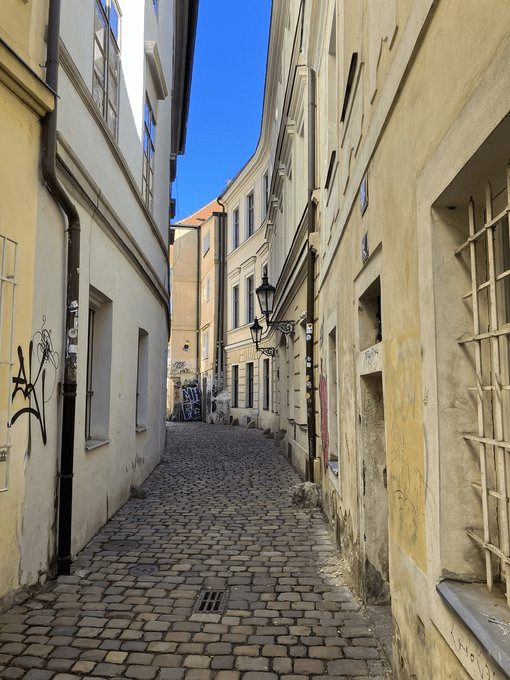
Number 3 is the entrance to Palác pánů z Kunštátu a Poděbrad, discussed yesterday (https://whatsinapraguestreetname.com/2024/10/05/prague-1-day-167-liliova/).

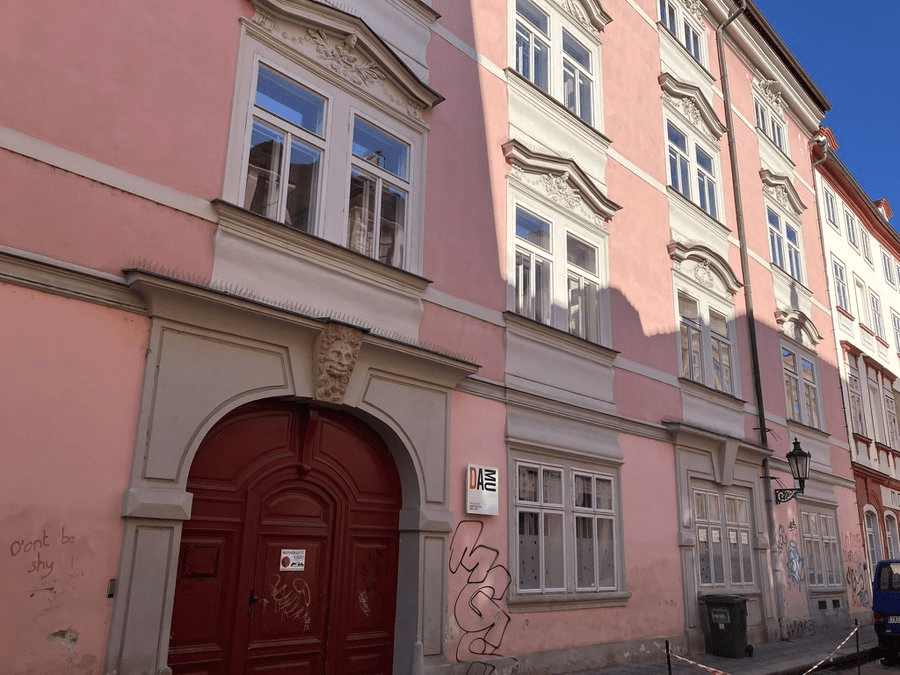
While number 5, Palác Kokořovských, is the home of the Theatre Faculty of the Academy of Performing Arts in Prague (DAMU).
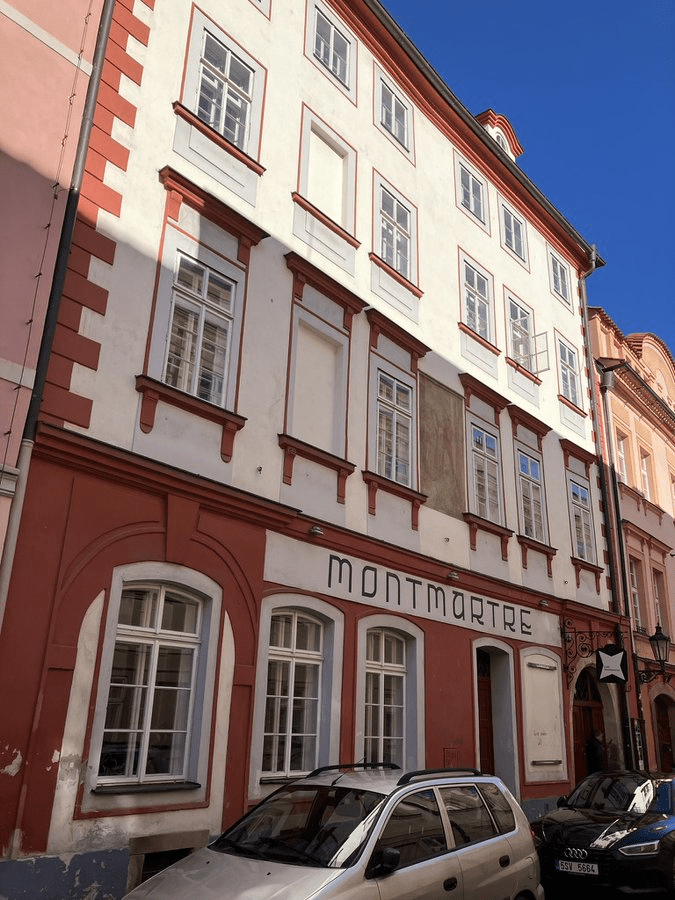
And neighbouring U Tří divých mužů (the Three Wild Men) had its best days in the 1910s and 1920s, when it was Montmartre, a cabaret and cafe frequented by, among others, Jaroslav Hašek.

 What's in a Prague street name
Leave a comment