Originally published on X on 14 March 2024.
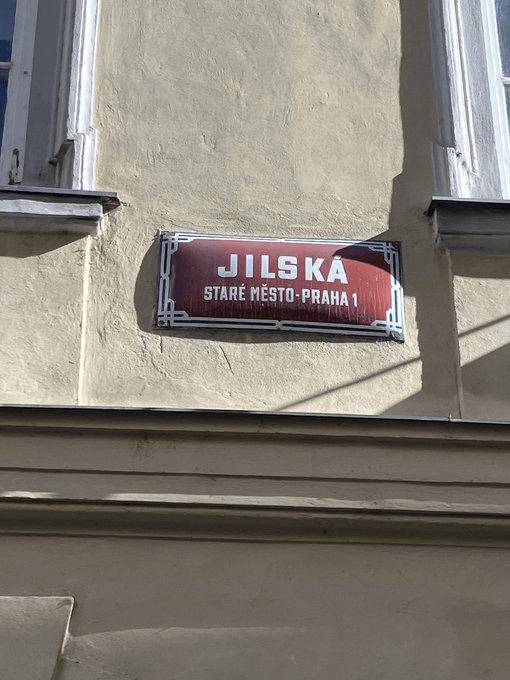
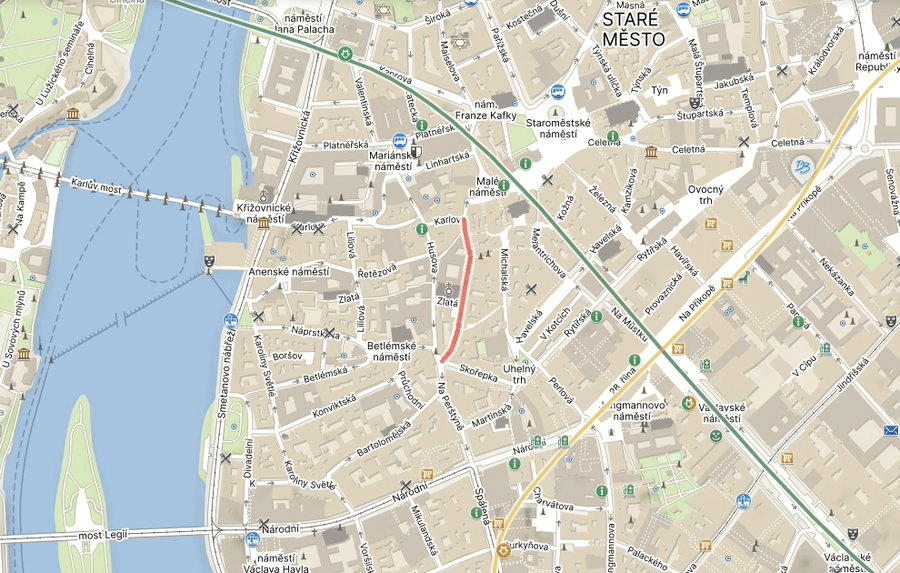
‘Jiljí’ is the Czech version of ‘Aegidius’. This is a name that’s changed more than many others when entering other languages – in English, we know it as ‘Giles’.
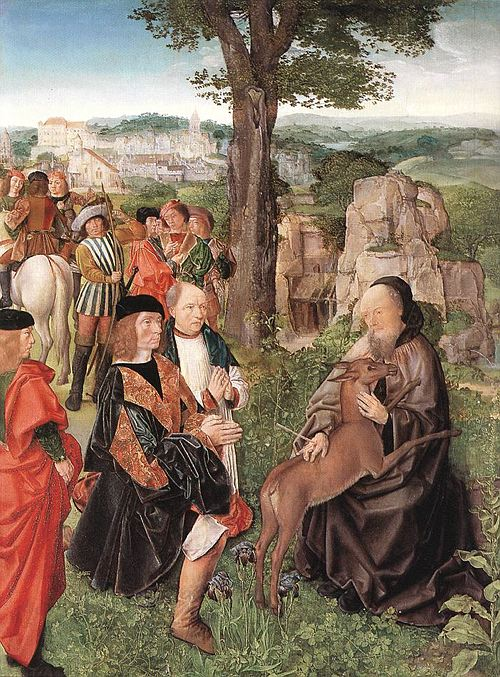
Saint Giles, meanwhile, was born in Athens and is said to have founded the Abbey of Saint-Gilles in the south of France in the 7th century.
He’s the patron saint of people with disabilities, as well as Edinburgh, Graz and Nuremberg.
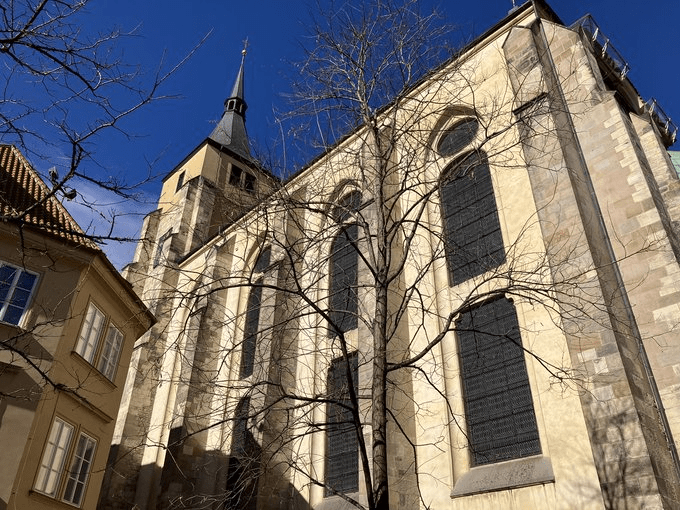
Back in Prague, a Romanesque church in this area existed at least as far back as 1238.
It underwent reconstruction in the 14th century, and was consecrated in 1371, in the presence of then-current monarch Charles IV, and the future Wenceslas IV.
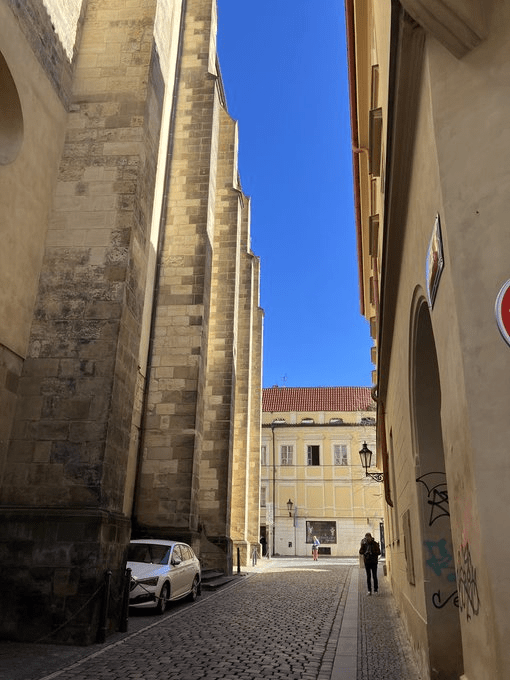
A particularly renowned preacher in the church was Jan Milíč (https://whatsinapraguestreetname.com/2022/12/26/prague-3-day-121-milicova/), who also founded the women’s refuge described on https://whatsinapraguestreetname.com/2024/09/28/prague-1-day-150-bartolomejska/.
In 1432, lightning caused a fire which destroyed the church’s roof and melted the church bells. They were reconstructed in 1437 – one of them, also called Jiljí, is the oldest church bell in Prague.
In the decidedly post-Hussite times of 1625, the church was handed over to the Dominicans, who had a monastery built where there had once been a graveyard.
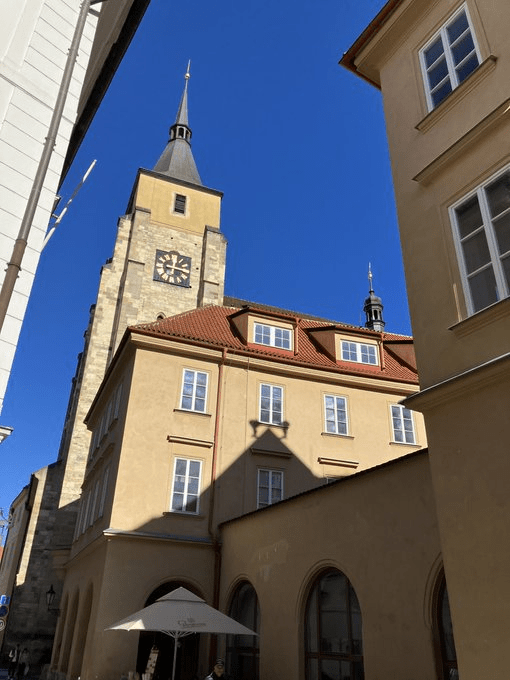
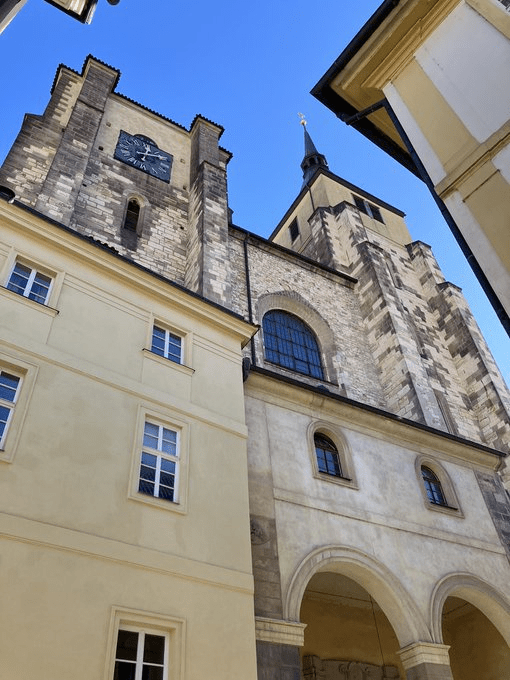
You may have seen the inside of the church without realising it:
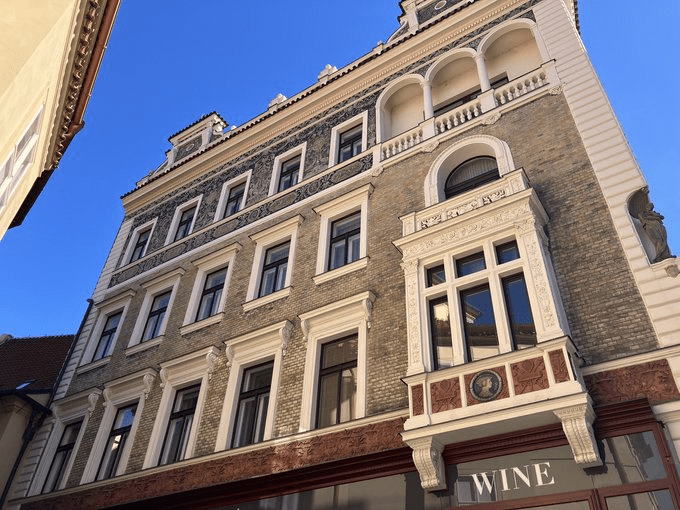
Other highlights of Jilská include Dům U Mladých Goliášů, built by Antonín Wiehl and with distinctive sgraffito designs by Mikoláš Aleš.
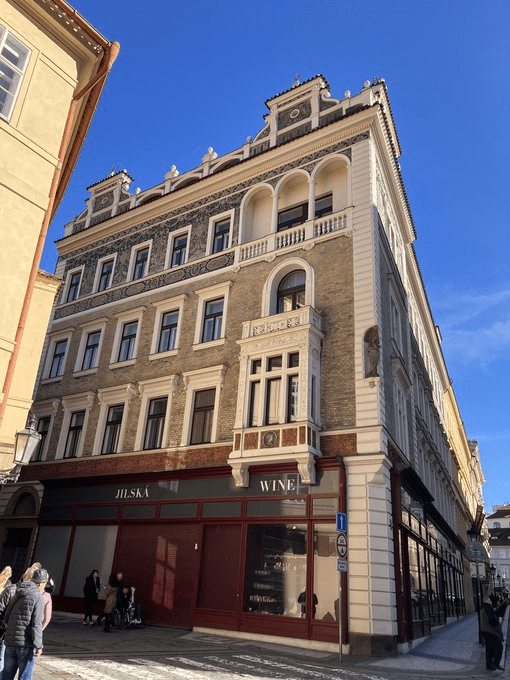
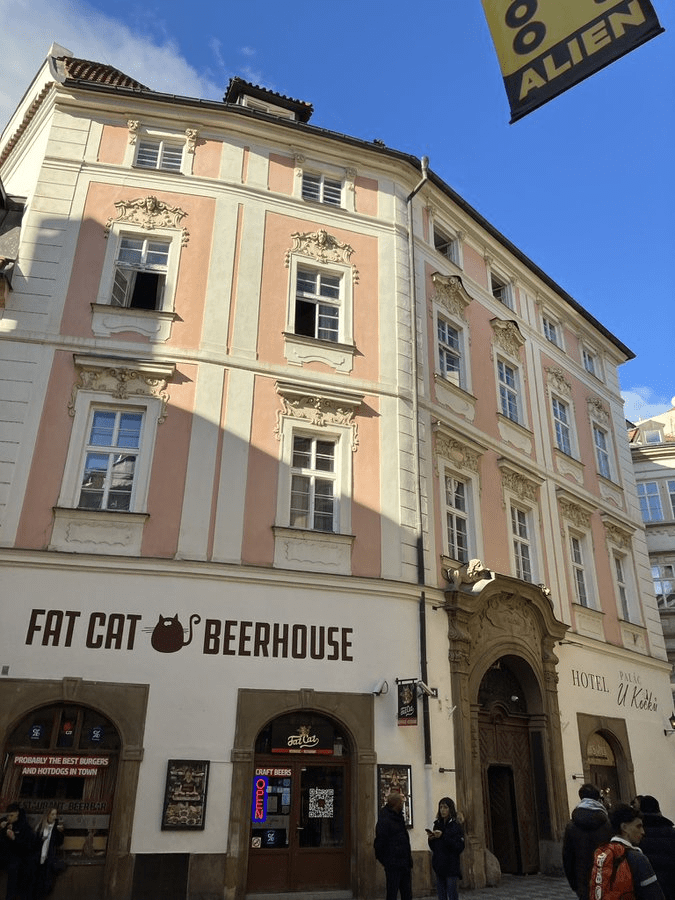
While Dům U Kočků has the preserved torso of a Romanesque house, but is named after a Mr and Mrs Koček, who bought it in 1927.
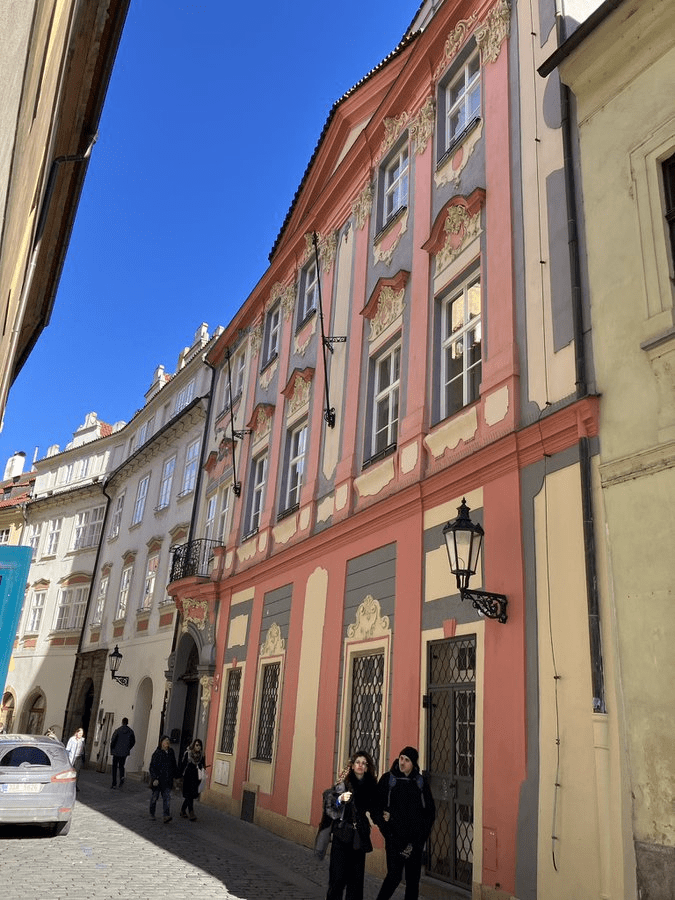
And Vratislavský dům hosted the Slovak Institute until 2016, when it moved to Hybernská (https://whatsinapraguestreetname.com/2024/09/20/prague-1-day-134-hybernska/).

 What's in a Prague street name
Leave a comment