Originally published on X on 5 April 2024.
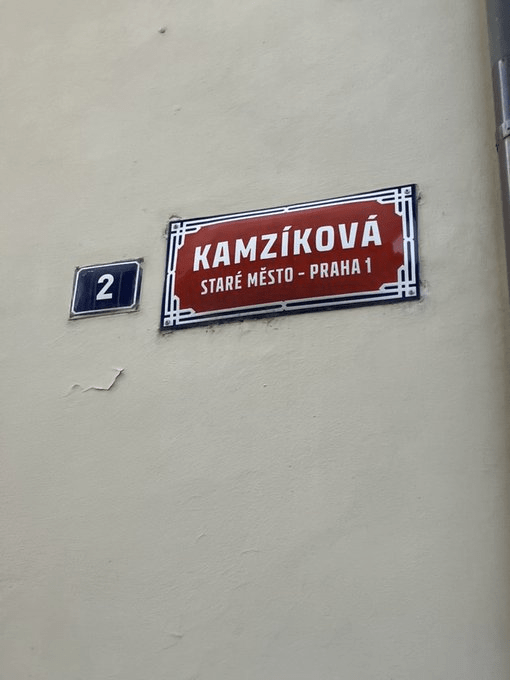
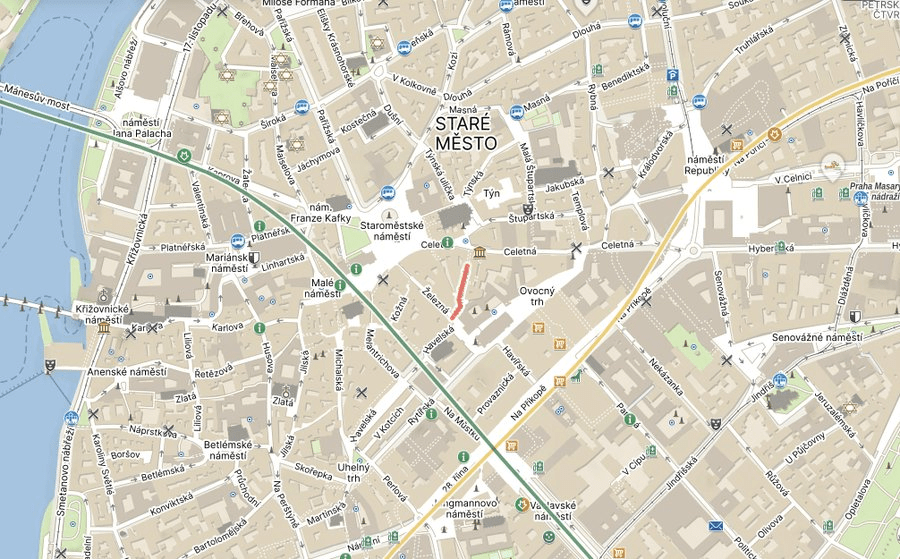
A ‘kamzík’ is a chamois, i.e. a goat-antelope mainly found in the Alps, but also in the Tatras, Carpathians, Balkans and Pyrenees. One has to assume they like mountains.
Closer to home, they were planted (can one plant an animal?) into the Sudetes (AKA the Krkonošsko-jesenická subprovincie, or Sudety) in the early 20th century, and apparently these chamois are the healthiest in Europe.
Number 4 in this street is called U bílého kamzíka (The White Chamois), and has been called that since about 1650. Around 1800, the street followed suit.
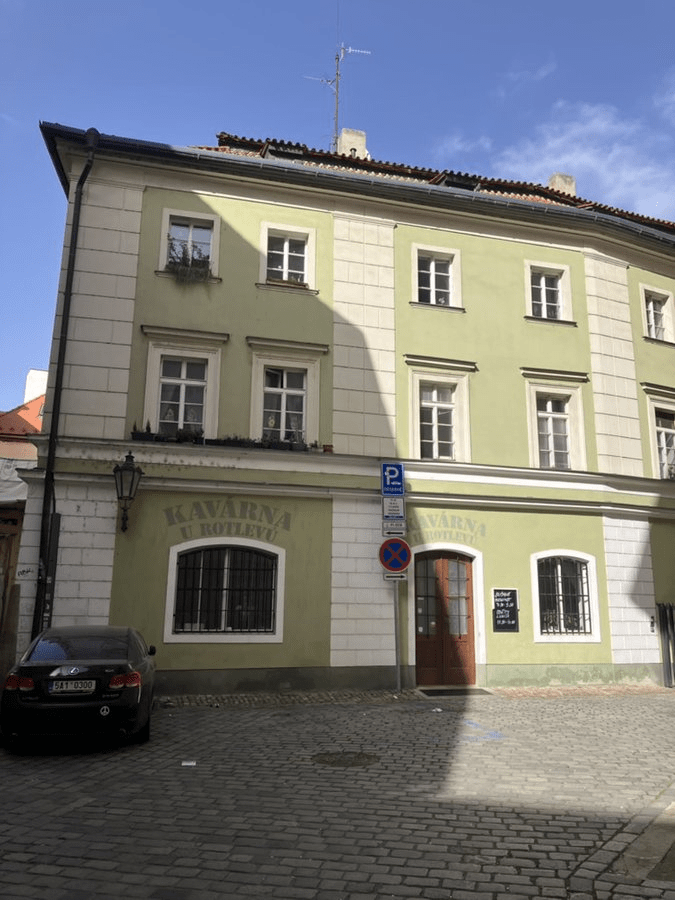
So I guess it’s nice to realise it’s not named after their hides being flogged at one of the nearby markets (spoiler: not the case for tomorrow’s street).
Kamzíková features some quite well-known buildings, many of them part of the Karolinum complex (https://whatsinapraguestreetname.com/2024/10/09/prague-1-day-179-ovocny-trh/). Of course, it only features their behinds, and you’re better off going to Ovocný trh or Celetná (https://whatsinapraguestreetname.com/2024/10/09/prague-1-day-180-celetna/) for a proper look at them.
Indeed, the street was known as Za Karolinem until 1800. But back in the Middle Ages, it was called Pleierova, after Oldřich Pleier, the owner of number 9 (which, in its current form, is called U Černého slunce, or the Black Sun, and, yes, looks better on Celetná).
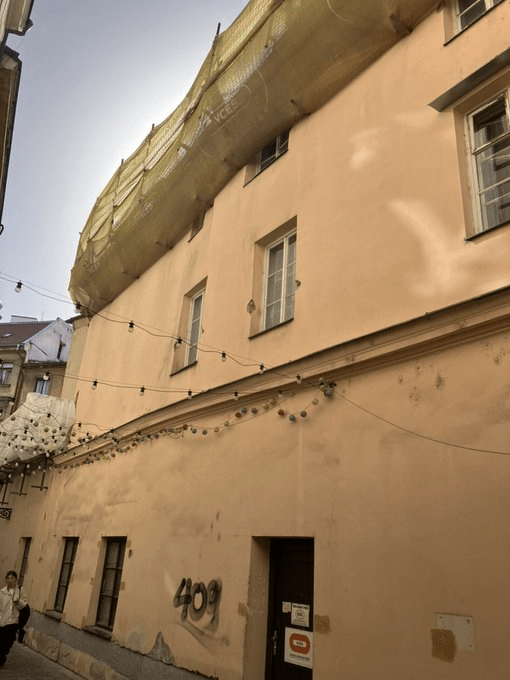
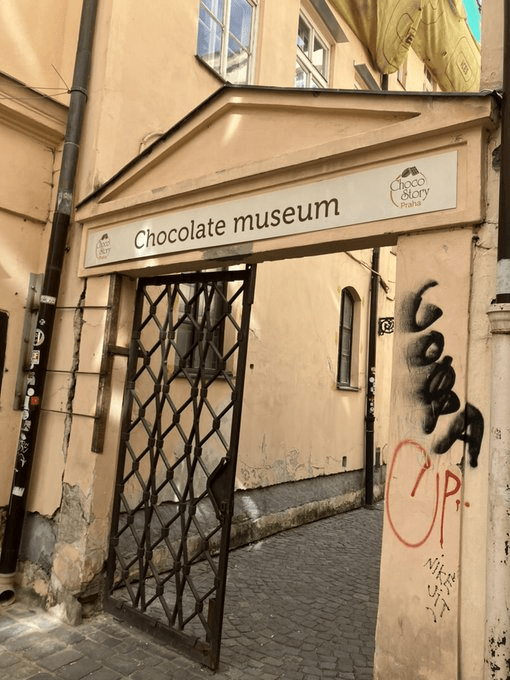
Kamzíková itself is more of a passageway between more important streets, and, while you might think that makes it sound quite appealing… it’s kind of not.

 What's in a Prague street name
Leave a comment