Originally posted on X on 21 April 2024.
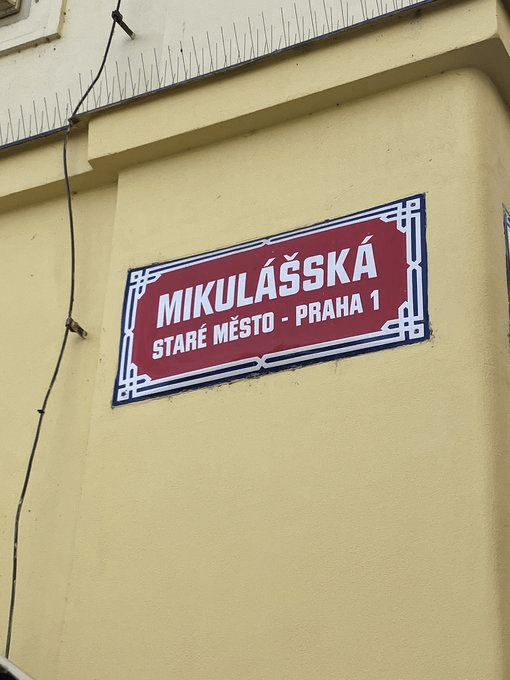
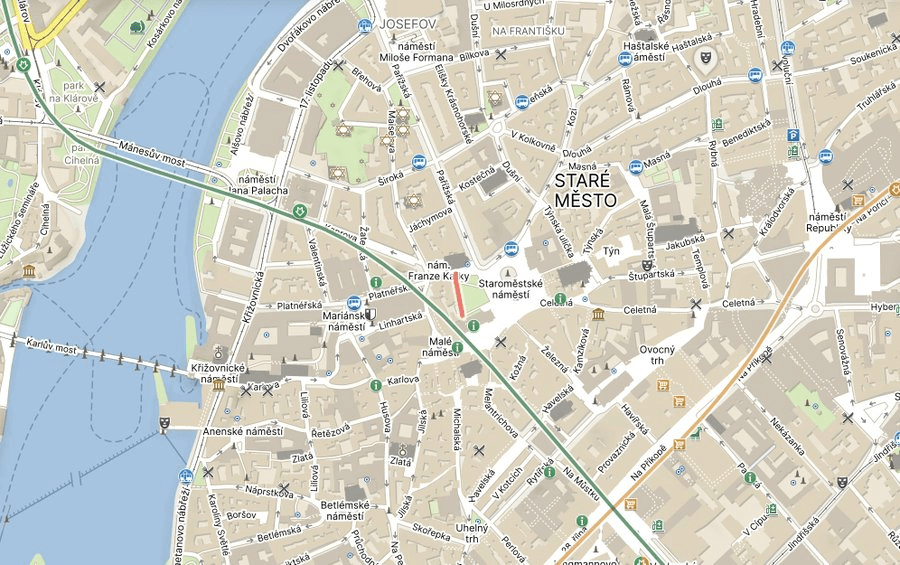
And once again, I remind myself that ‘Mikuláš’ is Czech for ‘Nicholas’.
Saint Nicholas (of Bari) died in 343, and was known for secret gift-giving, hence Dutch folklore coming up with Sinterklaas, who is one of the sources for Santa Claus.
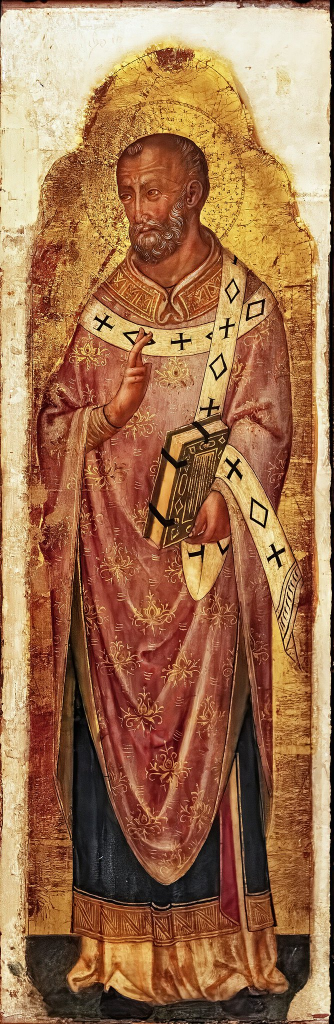
Saint Nicholas is also the patron saint of sailors, archers, brewers, pawnbrokers, unmarried people, merchants, repentant thieves and therefore basically everyone.

The Czechs (and Slovaks) aren’t alone in having a version of this name that begins with ‘m’ – see also Ukrainian Микола, Polish Mikołaj, Hungarian Miklós, Belarusian Мікалай, Lithuanian Mikalojus and Slovenian Miklavž.
The earliest mention of a church devoted to St Nicholas in this spot is from 1273 (it also mentions that the area had been recently flooded); the current building is obviously not from then, but a few elements of the original building remain in the cellar.

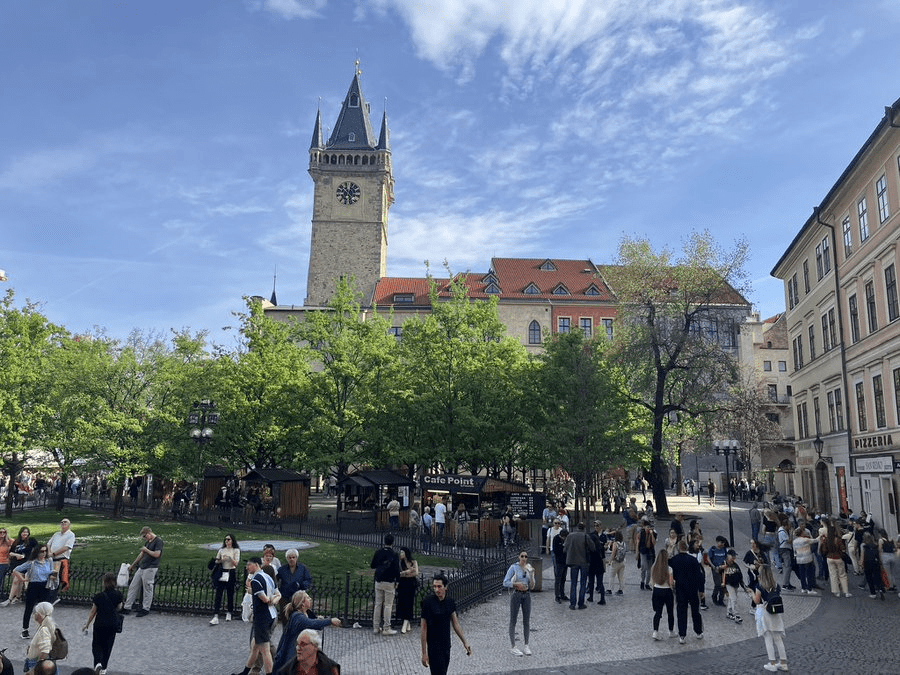
Much like the Church of Our Lady before Týn (this photo is how that church looks from this one), St Nick’s was a centre of Hussite worship in the early 1400s, though it reverted to Catholicism around the 1430s.

In the 1630s, the church’s Gothic basilica fell into the hands of the Montserrat Benedictines, who, a couple of decades later, would carry out extensive reconstruction.
However, in the 1730s, the Gothic building was torn down and replaced with a Baroque central building.
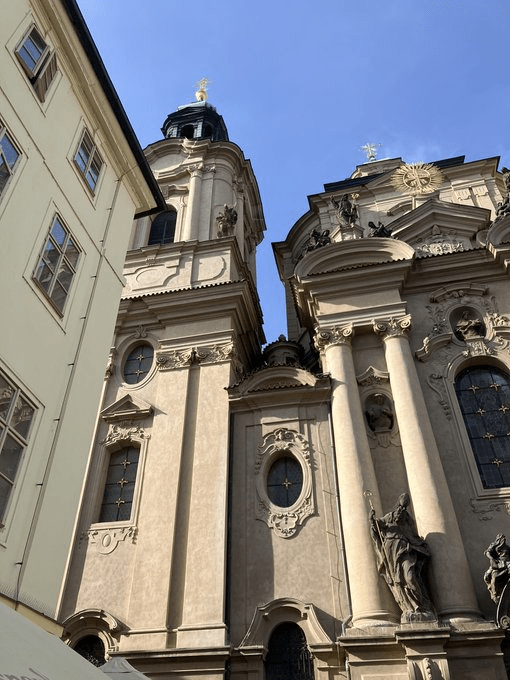
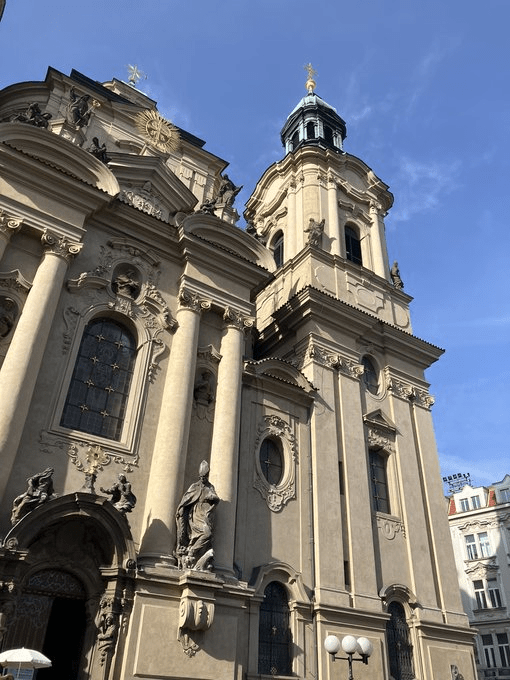
The church was deconsecrated in 1787, and the monastery was abolished; the church was used as a warehouse, then as a grain storage facility, then, from 1865, as a concert hall.


It only filled this latter function for a short time, as, in 1871, it was leased to the Russian Orthodox Church. They used it until 1914.
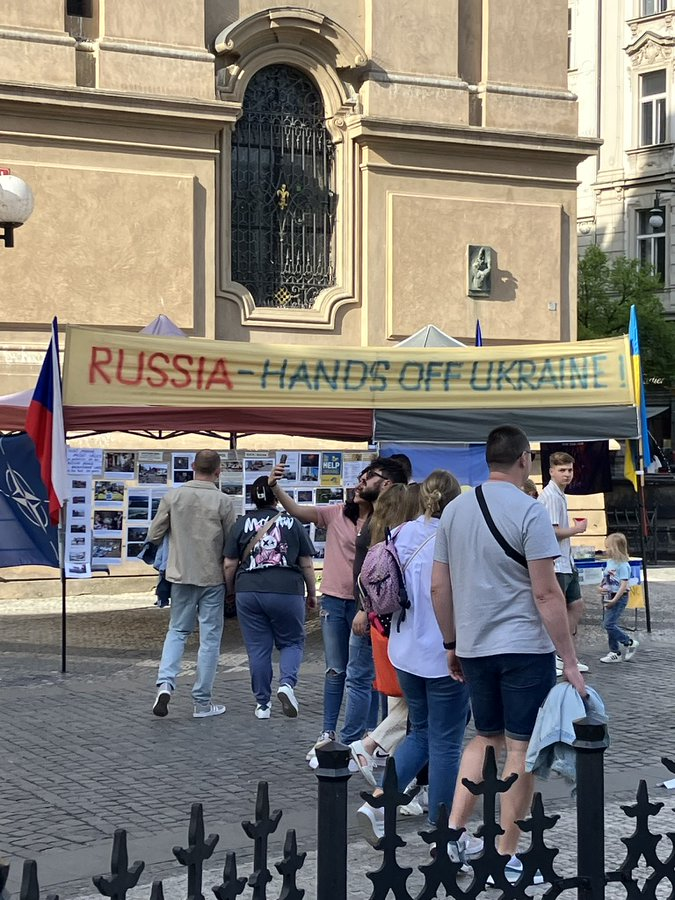
The fact that this was outside when I went there may be a coincidence; how nice it would be to live in a world where it wasn’t necessary for such a stand to exist at all.
In 1920, the church started to serve the newly formed Czechoslovak Hussite Church; it’s still their main church (and, unlike the country it’s named after, didn’t split in two when 1992 became 1993).

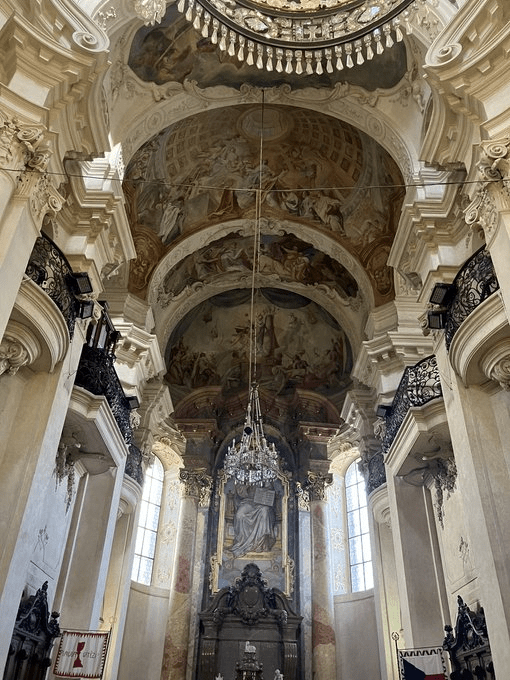
For once, I went inside while mentally drafting this post, and it was totally worth it.


The view as I left was something of an ‘I get to live in this city’ moment too.

 What's in a Prague street name
Leave a comment